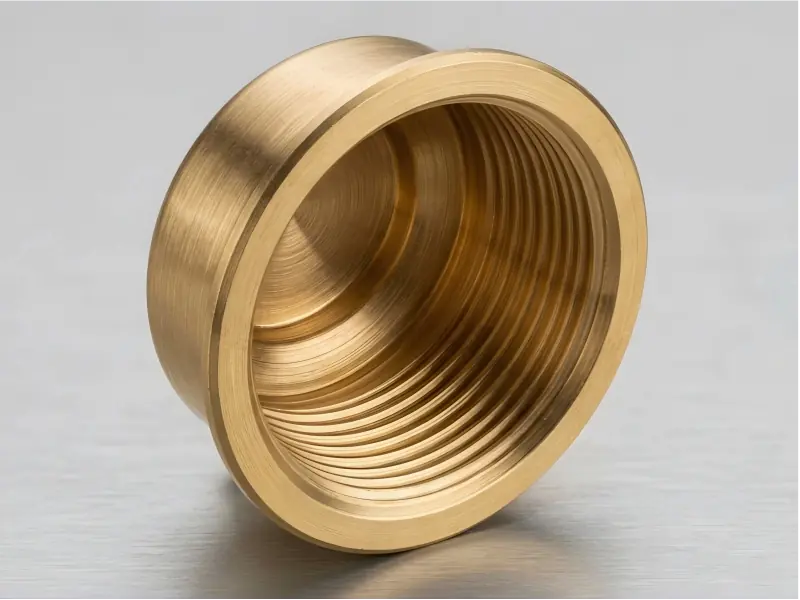
Custom Deep Drawn Stamping Services
High-performance, seamless metal components with depths exceeding diameters. From prototyping to high-volume production, we deliver tight tolerances (±0.02mm) for complex geometries.
Precision: ±0.02mm (±0.001″)
Materials: Stainless Steel, Aluminum, Copper & more.
Efficiency: Multi-stage drawing for 2:1 or 3:1 depth ratios.
Support: Free DFM (Design for Manufacturing) analysis.
Precision Deep Drawn Metal Parts
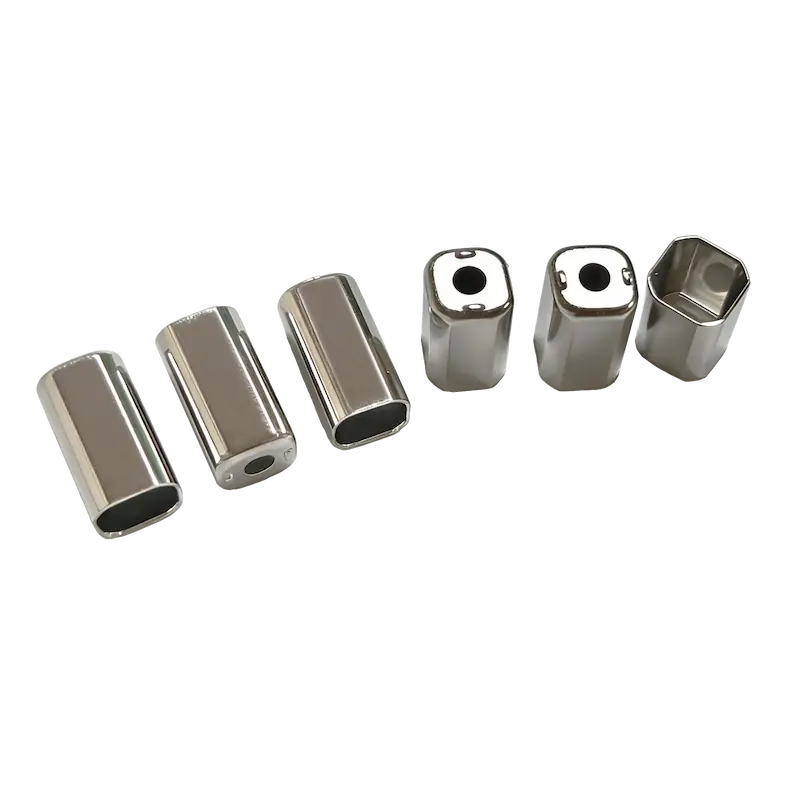
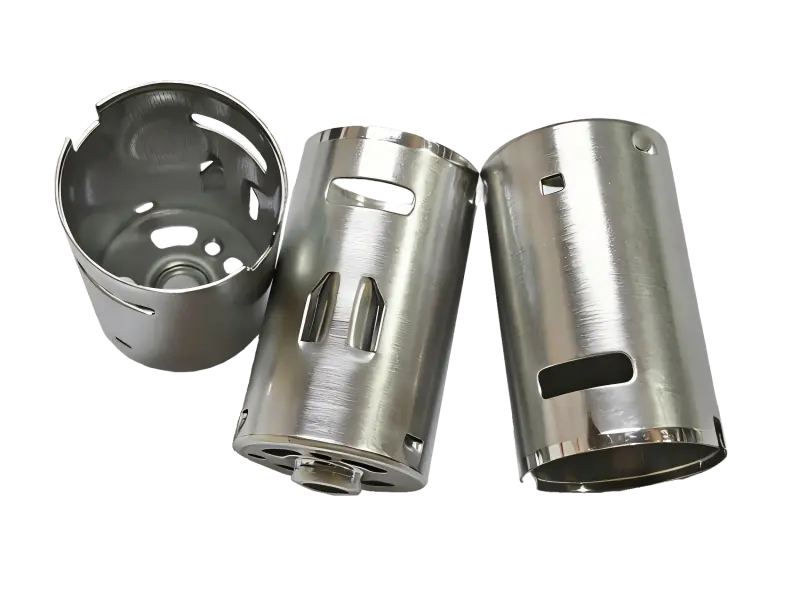
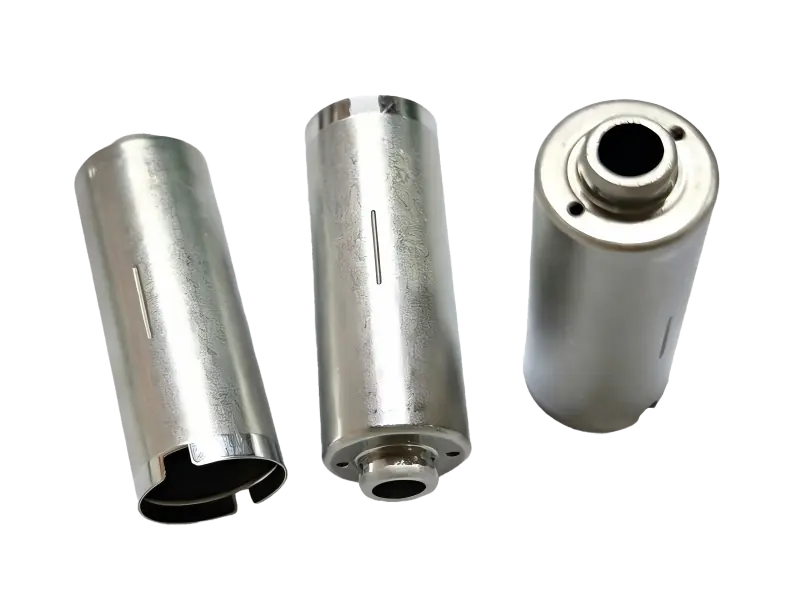
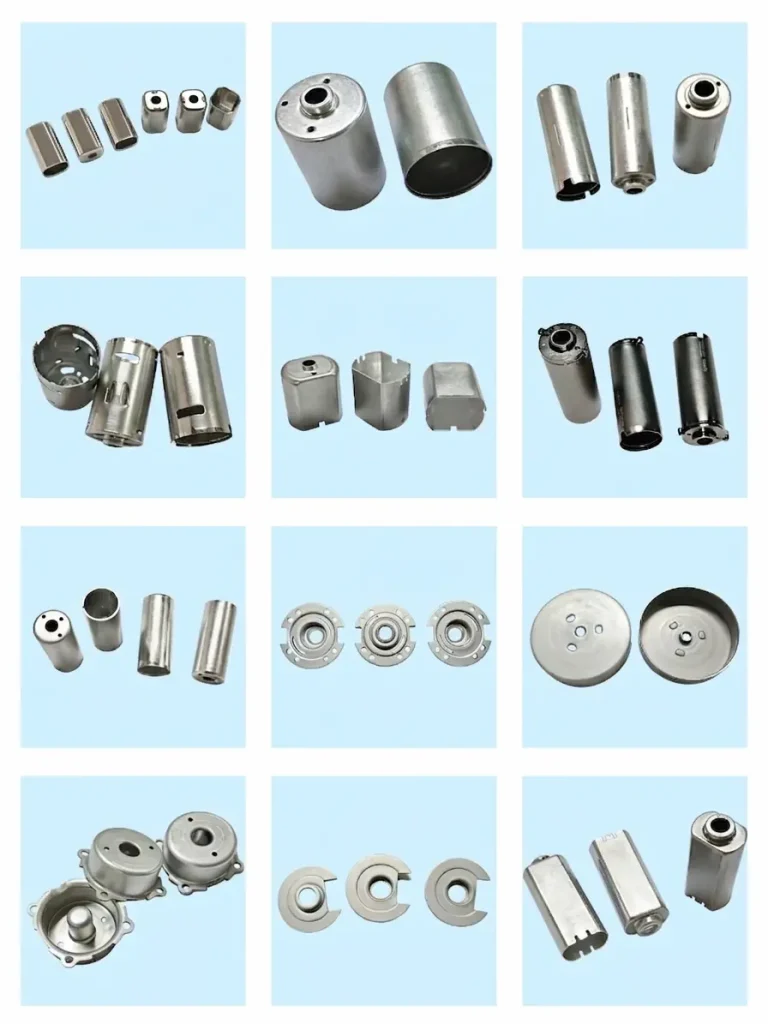
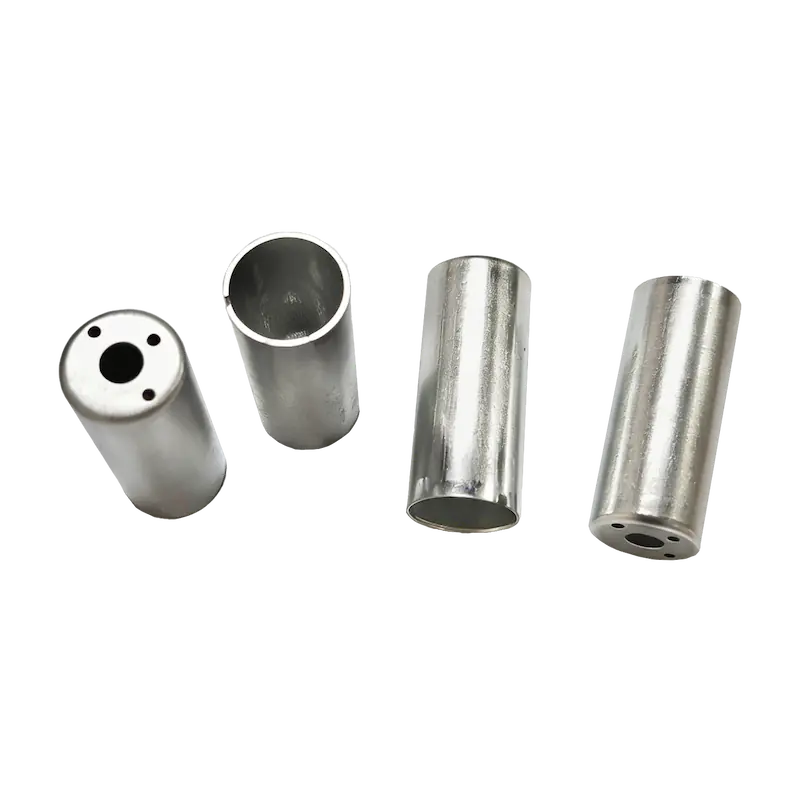
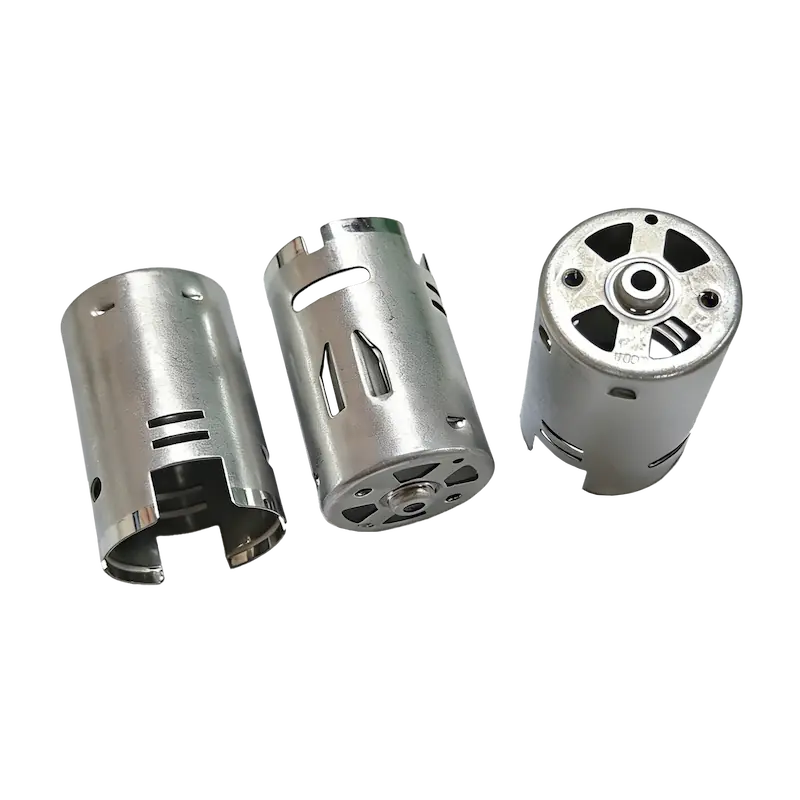
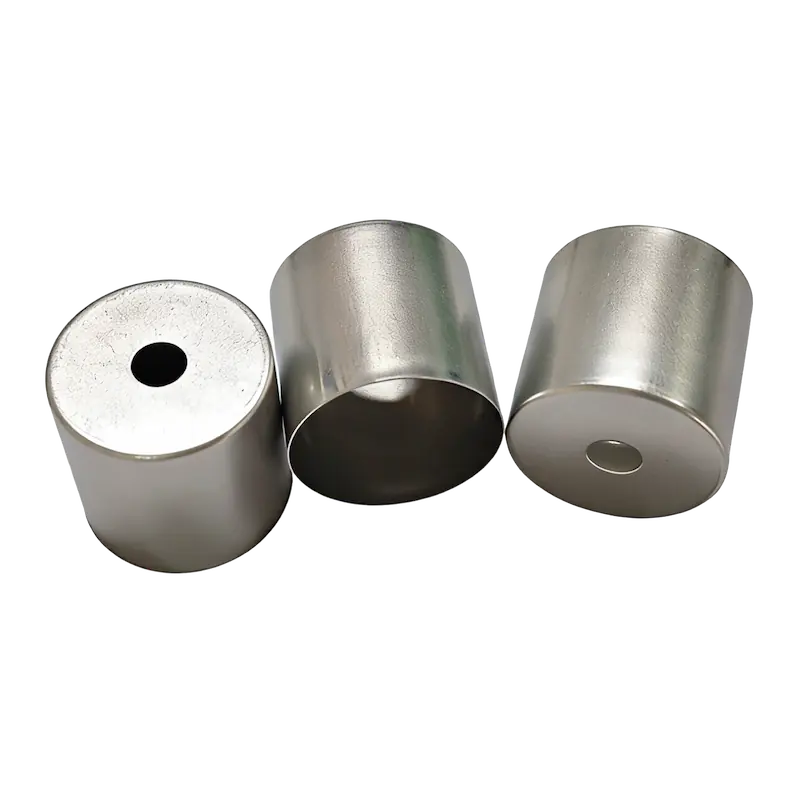
We manufacture custom deep drawn metal components based on your drawings, 3D models, or samples. Our capabilities cover cylindrical, cup-shaped, rectangular, and other hollow parts for motors, sensors, automotive components, appliances, and electronic equipment.
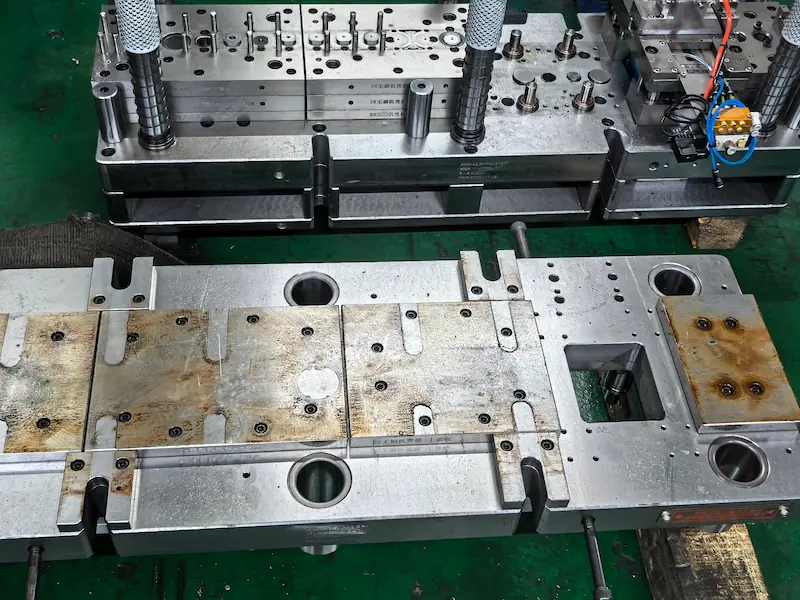
From tooling development and material selection to stamping, trimming, piercing, flanging, and surface finishing, we support both prototype validation and volume production.
Our Multi-Stage Deep Drawing Process

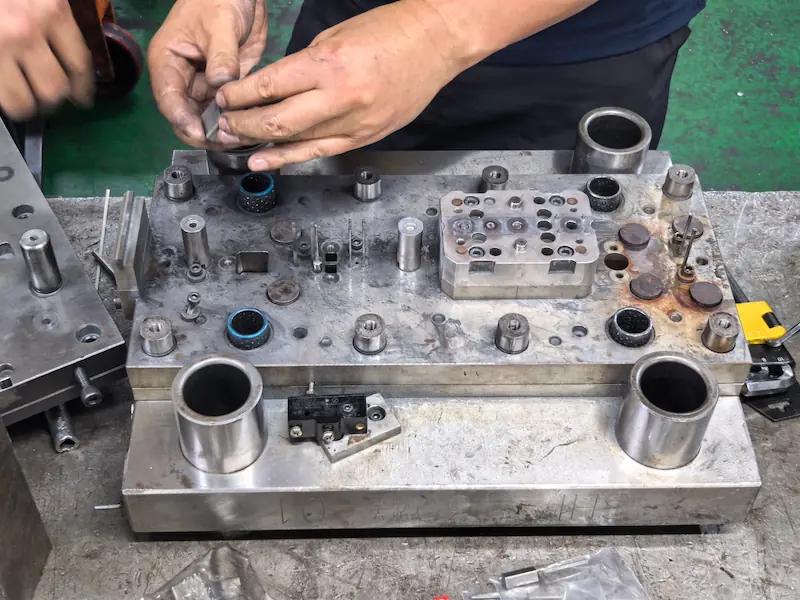
DFM & Tooling Design
We review your CAD files to optimize the draw ratio and design precision dies in-house to reduce lead times.
Blanking & Lubrication
Precise circular blanks are cut and coated with specialized lubricants to prevent tearing during the draw.
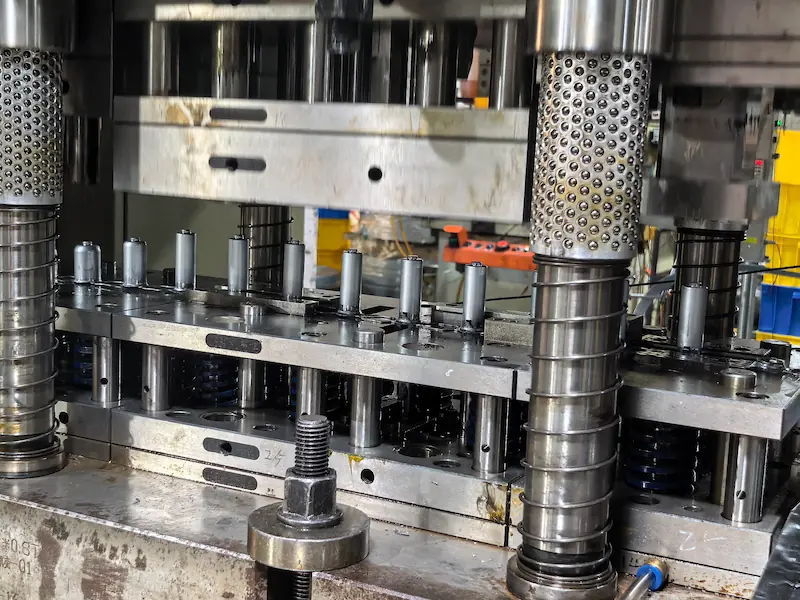
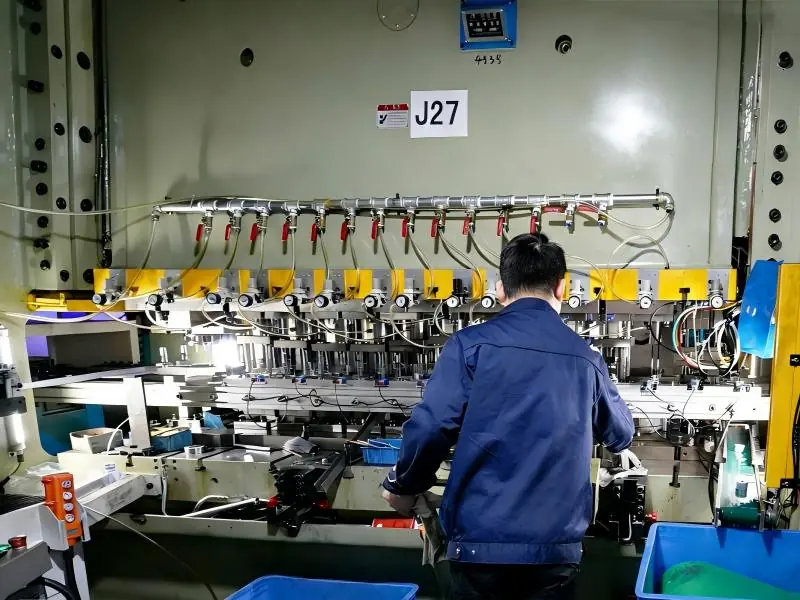
Sequential Drawing
The blank passes through multiple die stations. Each "redraw" reduces the diameter while increasing the depth until the final shape is achieved.
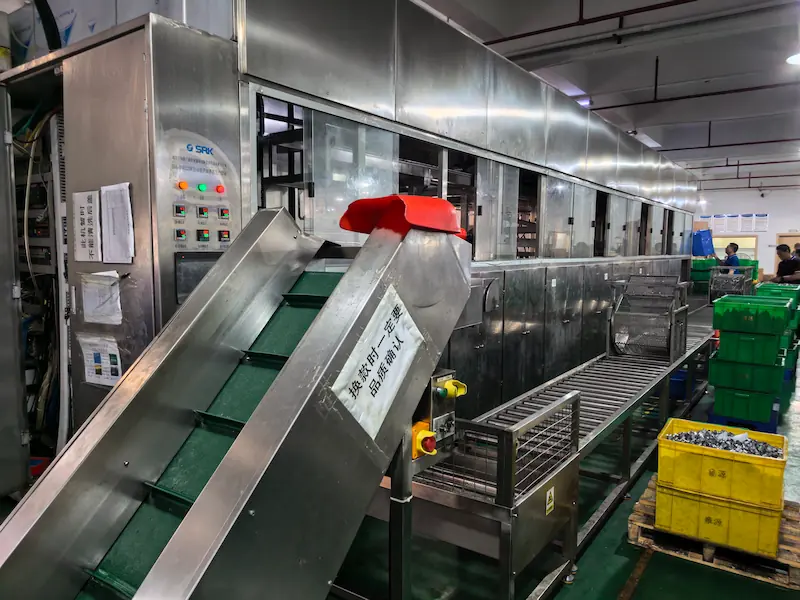
Final Finishing
Parts undergo trimming, ultrasonic cleaning, and optional surface treatments like plating or anodizing.
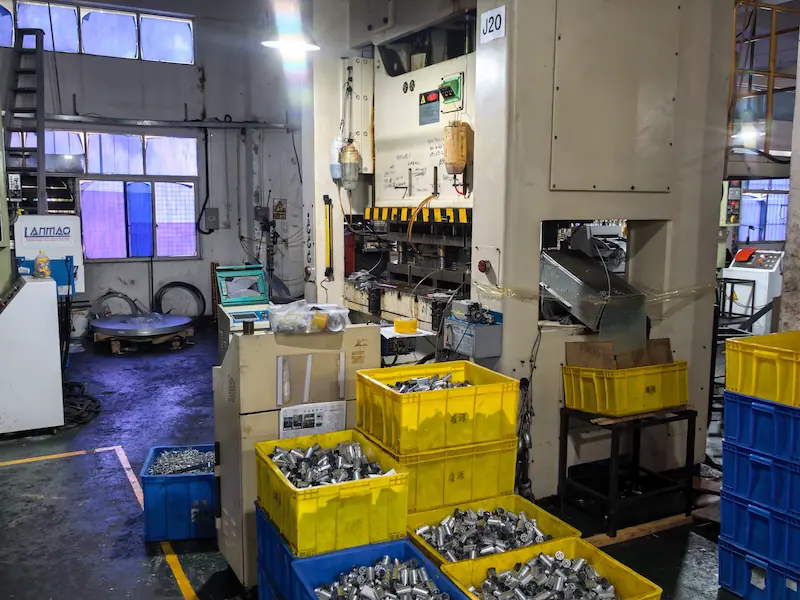
Deep Drawing Production Capabilities
- Multi-Stage Deep Drawing: Supports drawing, redrawing, ironing, trimming, piercing, flanging, and necking.
- Custom Deep Draw Tooling: Tooling is developed according to part geometry, material thickness, tolerances, and production volume.
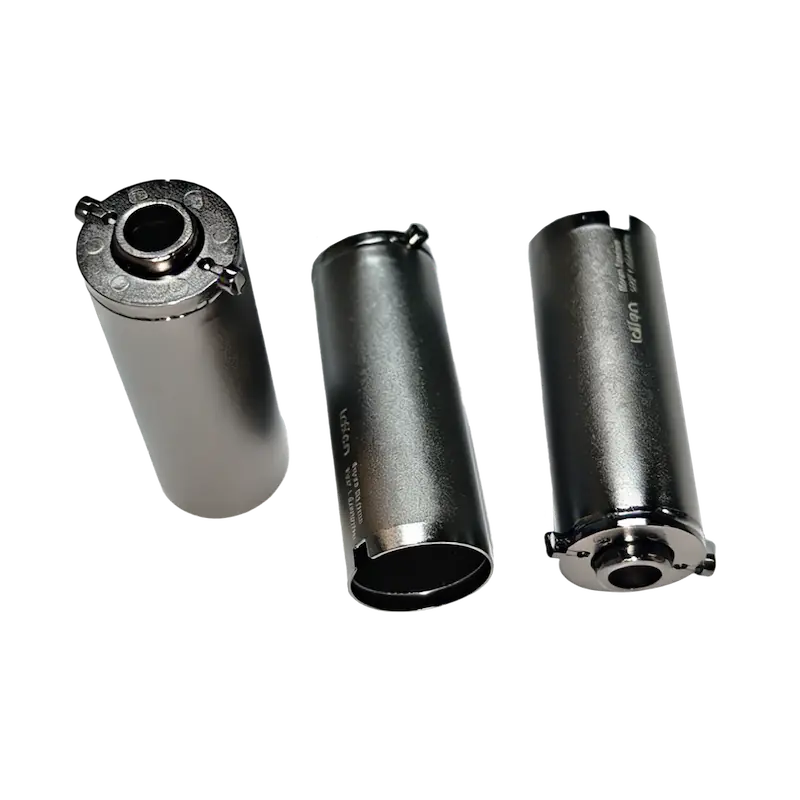
- Small and Medium Precision Parts: Focused on motor housings, metal cans, sleeves, covers, and other hollow components.
- Stable Volume Production: Suitable for repeat orders and medium- to high-volume manufacturing.
Deep Draw Tooling and Process Control
- Tool Design and Development: Forming stages are planned to control material flow, wall thickness, and part geometry.
- Tool Trial and Optimization: Samples are tested and adjusted before customer approval.
- In-Process Inspection: Critical dimensions, wall thickness, appearance, and forming defects are monitored during production.
- Tool Maintenance: Regular maintenance helps maintain dimensional consistency and production continuity.
Deep Drawing Capabilities & Technical Specifications
| Feature | Specifications |
| Material Thickness | 0.010″ to 0.150″ (0.25mm to 3.8mm) |
| Max Draw Depth | Up to 12″ (305mm) |
| Tolerance Control | Dimensional: ±0.02mm | Wall Uniformity: ±5% |
| Diameter Range | 0.125″ to 15″ (3.1mm to 380mm) |
| Common Materials | 304/316 Stainless Steel, Aluminum 1100/3003/5052, Copper, Brass, Kovar, Titanium |
| Secondary Operations | Trimming, Piercing, Beading, Threading, Ironing, Heat Treating |
Deep Drawn Solutions for Demanding Industries

Energy & Battery Storage
Custom battery cans, cylindrical cell housings, and energy storage enclosures.
Medical Devices
Implantable titanium components, sensor housings, and surgical tool handles.
Automotive Systems
Oxygen sensor shells, fuel filter housings, and airbag inflator components.
Aerospace & Defense
High-strength diaphragms, ammunition casings, and specialized shielding.
Consumer Electronics
Seamless shielding cans, decorative housings, and connector bodies.
Custom Secondary Operations & Modifications
To meet the specific requirements of complex engineering designs, our deep drawing process integrates various secondary forming operations. This allows us to deliver fully finished, ready-to-use components.
1. Structural Reinforcements
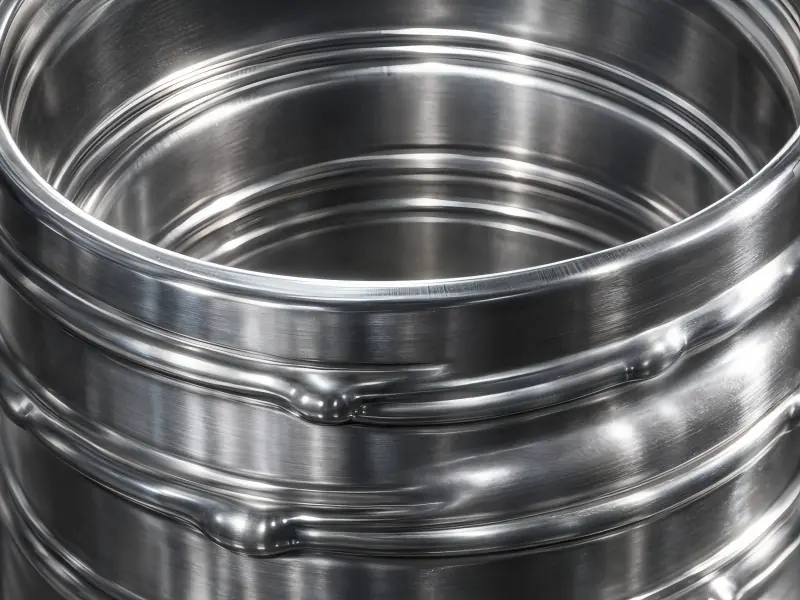
Beading, Ribbing & Flanging: We integrate beads and ribs to significantly increase part rigidity. This strategic modification can reduce material thickness by up to 50% while maintaining superior strength, helping you save on material costs.
Bulging (Expansion): Utilizing fluid or segmental punches, we can expand the walls of shells or tubes symmetrically or non-symmetrically to create unique internal volumes.
Ironing: If your application requires ultra-smooth surfaces and thinner, uniform walls, our ironing process thins the vertical shells to precise specifications.
2. Precision Features & Hole Patterns
Custom Piercing & Notching: We use advanced punches to create precise holes, slots, and notches for locating, attaching, or clearance, ensuring perfect alignment with your assembly.
Extruding (Hole Flanging): To provide more thread engagement or support, we can draw out a flange around pierced holes.
Dimpling: We create localized indents that allow rivets or bolts to sit flush with the metal surface, ensuring a sleek and snag-free exterior.
3. Surface & Edge Finishing
Curling & Necking: We can form rolled edges (curling) for safety and strength, or reduce the diameter of specific sections (necking) to fit precision connectors.
Coining & Embossing: For high-definition details or shallow indentations without changing metal thickness, our closed-die squeezing delivers sharp, permanent results.
Precision Trimming: Every part is trimmed to an established line to remove scrap and ensure exact height and edge quality.
4. Branding & Threading
Marking & Identification: We can integrate graphics, part numbers, or branding logos directly onto the metal surface during the stamping process.
In-Die Threading: Using specialized taps or arbors, we form reliable threads directly on the drawn components for easy mechanical fastening.
Deep Drawn Stamping: Frequently Asked Questions
A: With our multi-stage drawing and annealing processes, we can achieve depth-to-diameter ratios of 2:1 or even 3:1, depending on the material ductility.
A: Deep drawing is significantly more cost-effective for high-volume production. It reduces material waste and produces a stronger part due to the cold-working process that enhances the metal's grain structure.
A: Stainless steel (especially 304) is excellent for its strength and drawability. Aluminum is preferred for lightweight applications, while Copper and Brass offer superior conductivity and ductility.
A: Yes. While deep drawing is a high-volume process, we offer rapid tooling options to support prototyping and low-volume pilot runs.
Get in touch with us
Contact our engineering experts today. We will analyze your designs and provide the precision CNC machining solutions that best suit your project specifications.
sale@micromotorparts.com
+86 15377730575
*Our team will answer your inquiries within 24 hours.
*Your information will be kept strictly confidential.