Custom CNC Turning Services

We provide professional CNC turning and multi-tasking lathe solutions for cylindrical components. We specialize in machining complex turned parts with tolerances as tight as ±0.005mm, serving industries from medical devices to automotive shafts.

Tolerances: As tight as ±0.005 mm for critical diameters.

Capacity: Turning diameters up to 500mm and lengths up to 1000mm.

Efficiency: Live tooling (Turn-Mill) capabilities to complete parts in a single setup.

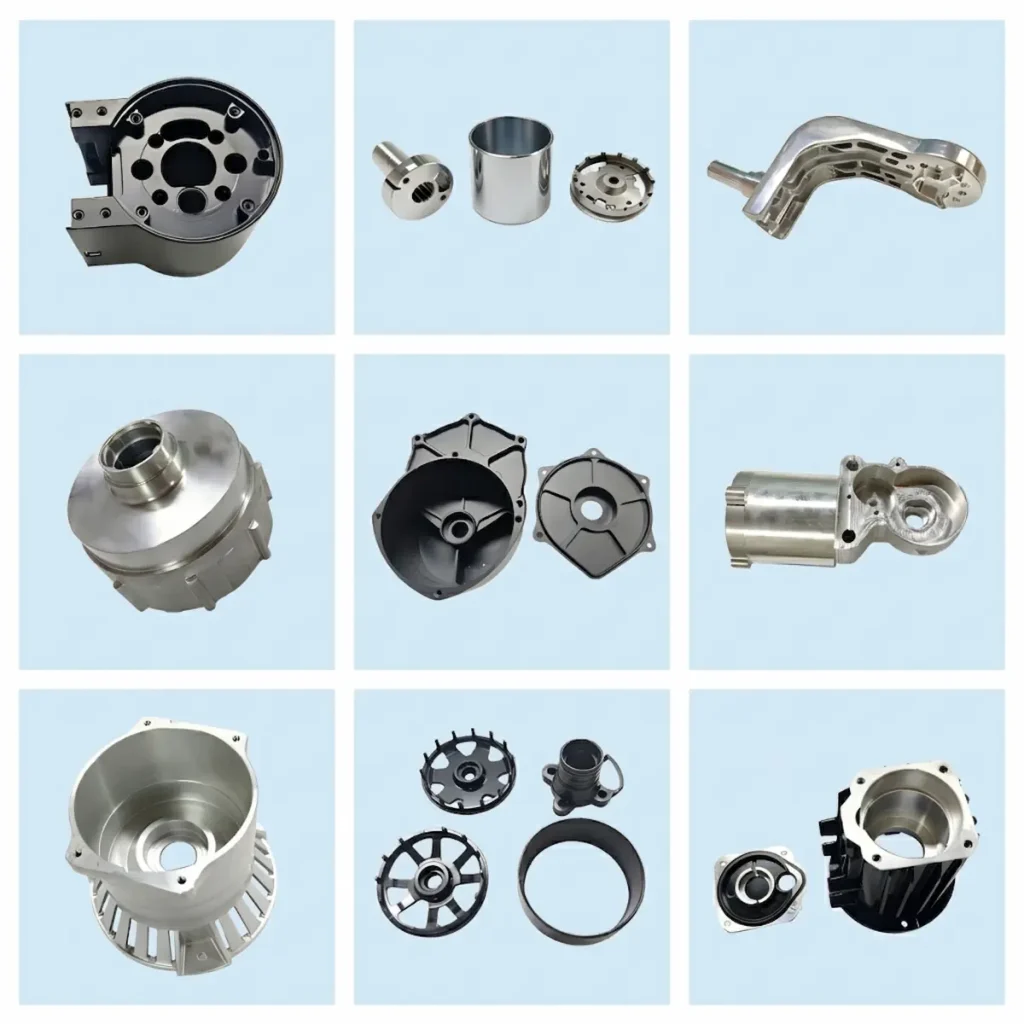
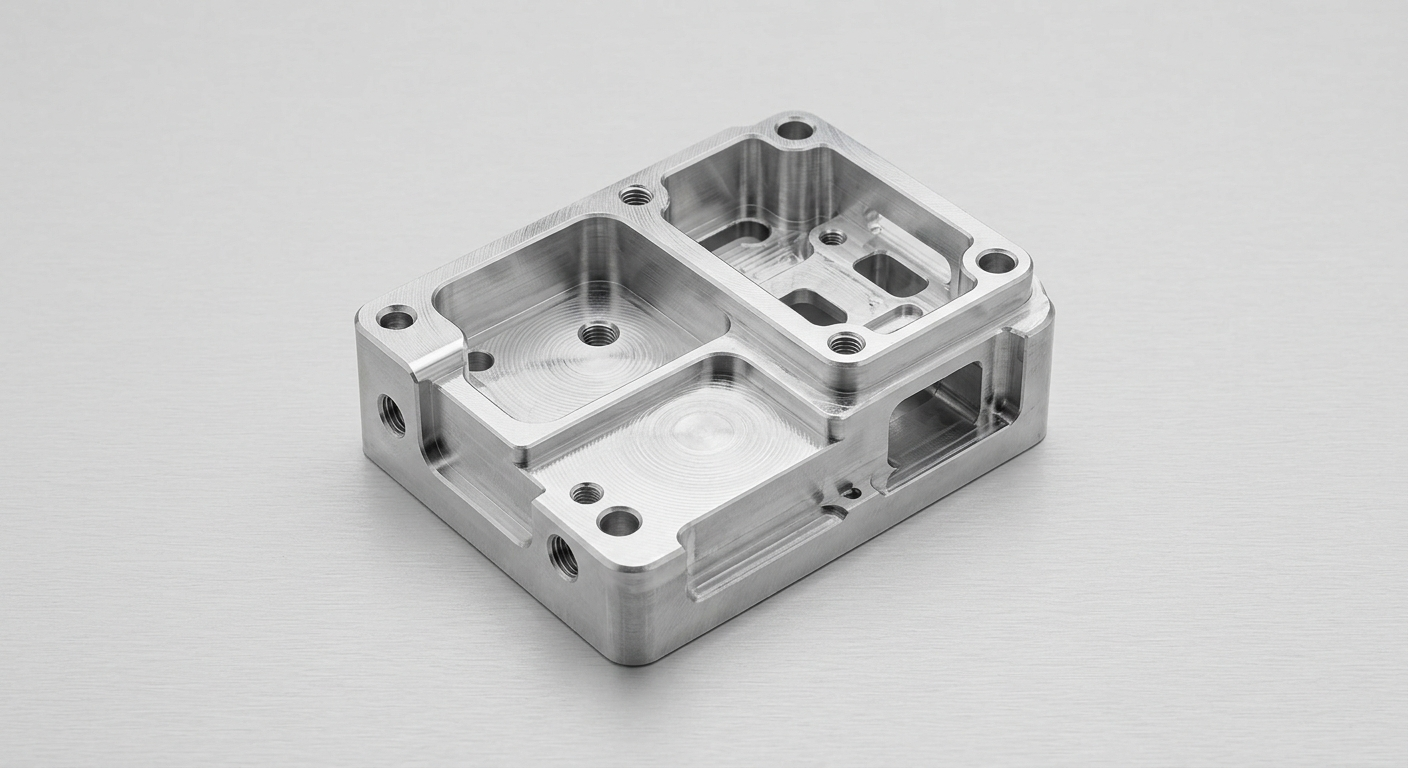
Assorted precision CNC milled components including aluminum housings, medical parts, and plastic gears.

Core CNC Turning Capabilities

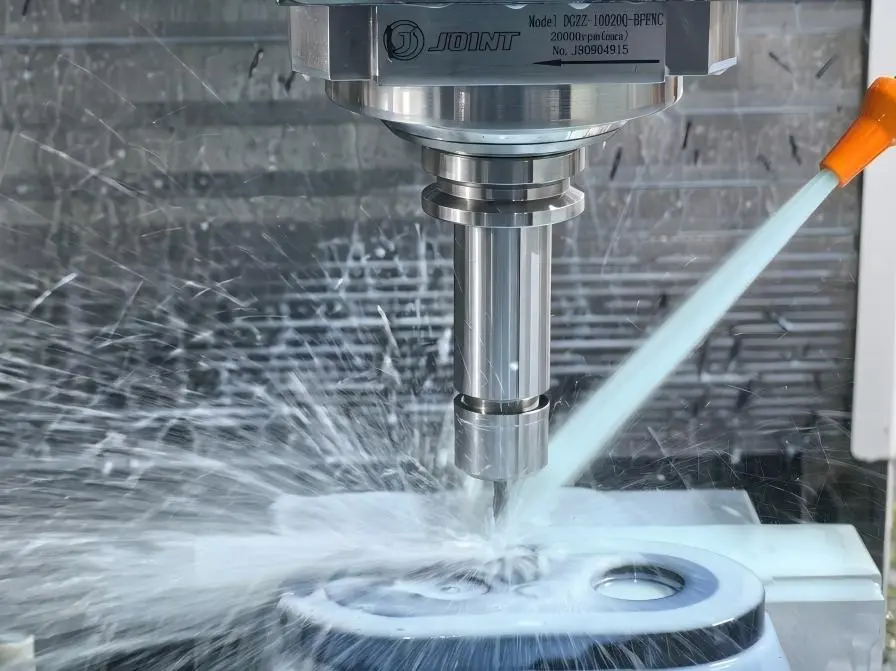
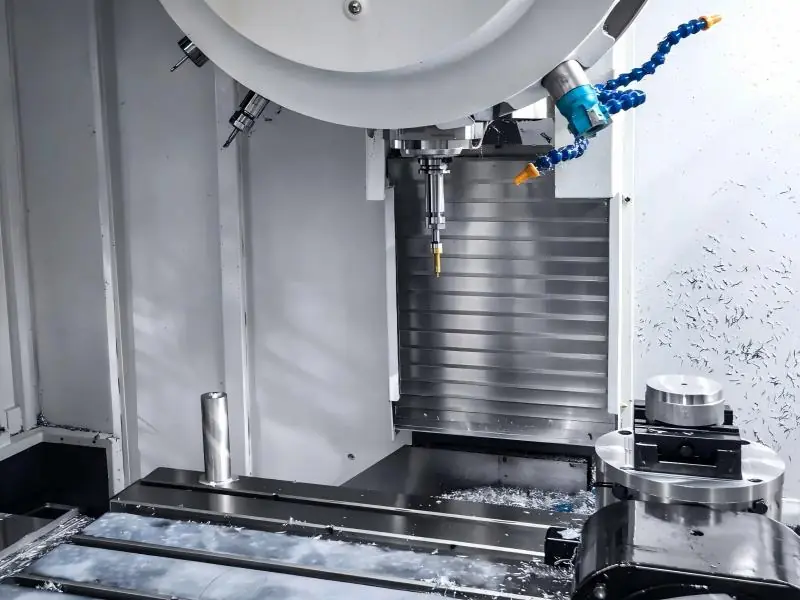
3-axis CNC milling machine performing precision cutting with active coolant on a metal part.

CNC Lathe Turning

Best for simple cylindrical parts, pins, and spacers with high efficiency and lower cost.
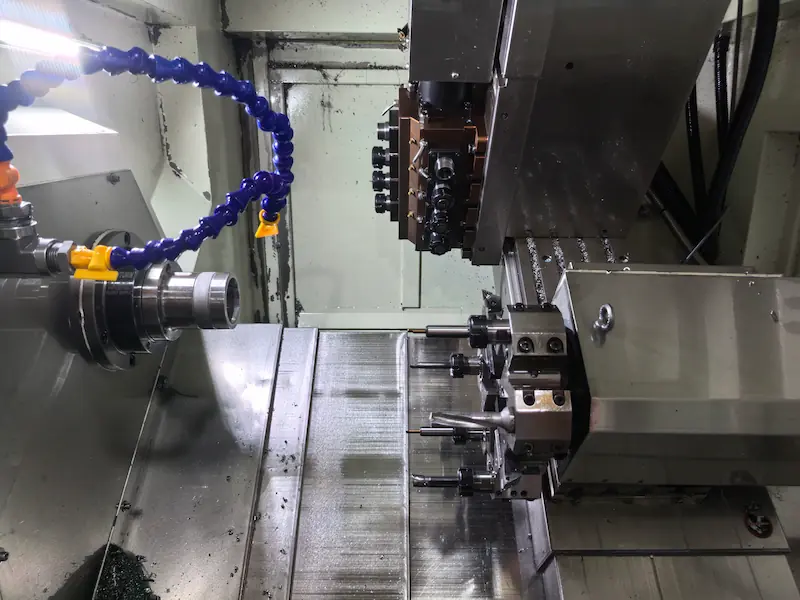
4-axis CNC milling center machining a cylindrical metal component using a rotary A-axis.

Live Tooling

Integrating milling cutters on a lathe to machine cross-holes, flats, and slots without moving the part to another machine.
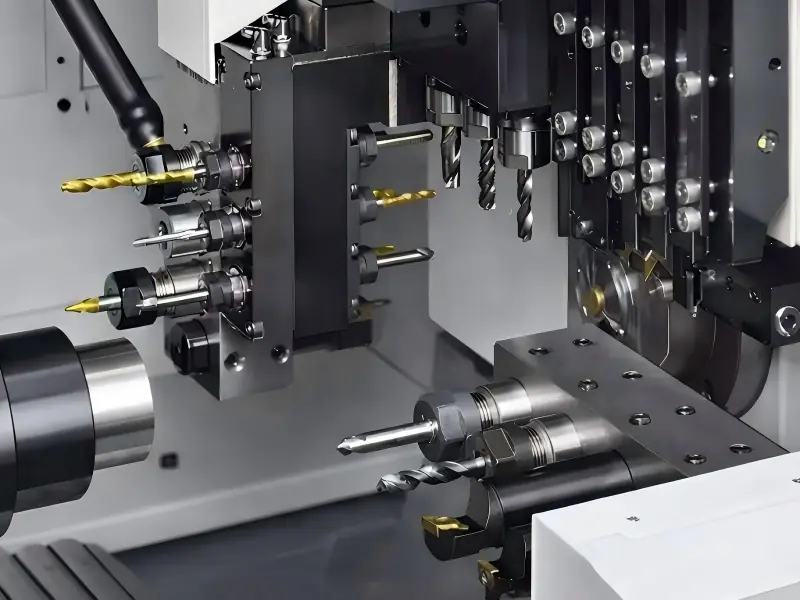
Japanese imported Swiss-type CNC lathe for small precision metal parts

Japanese Imported Sliding Head Lathes

Ideal for small, high-slenderness ratio, and ultra-precise parts (typically under 32mm diameter) for medical and electronic applications.
5-axis CNC machining of a complex custom metal engine component.

Multi-Spindle Turning

Designed for high-volume production runs where cycle time and unit cost are critical.
CNC Turning Materials

We machine a comprehensive range of materials to meet your specific application requirements, from common alloys to exotic specialty materials.

Metals

  • Aluminum
  • Brass
  • Copper
  • Stainless Steel
  • Steel Alloy
  • Steel Mild Low Carbon
  • Titanium

Plastics

  • ABS 
  • Acetal
  • CPVC
  • HDPE 
  • LDPE
  • Nylon
  • PEEK
  • PEI
  • PET
  • PMMA
  • Polycarbonate
  • Polypropylene 
  • POM (Delrin)
  • PPSU
  • HIPS
  • PTFE
  • PVC

Upload CAD drawings

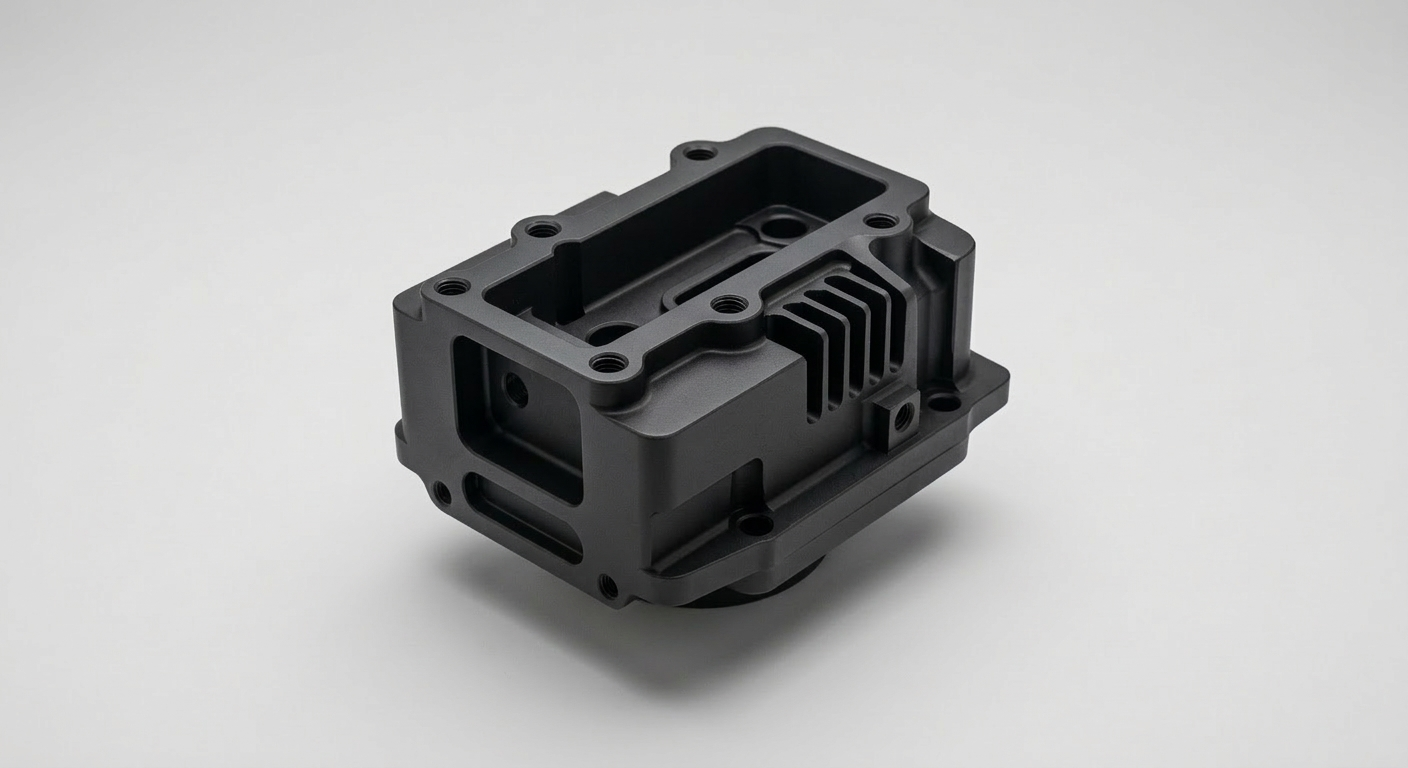
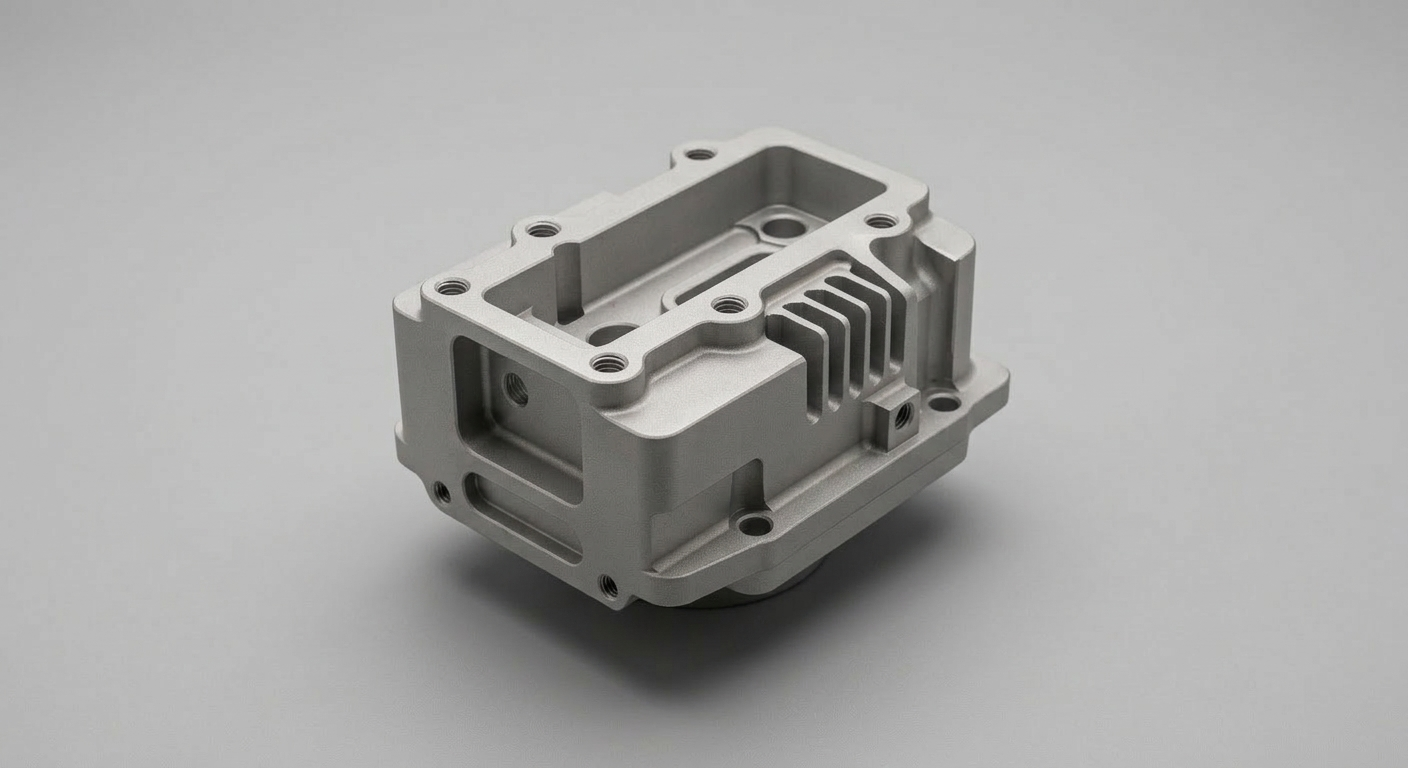
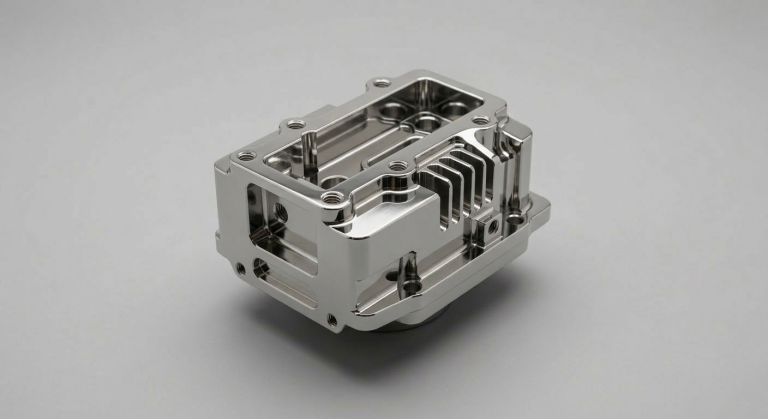
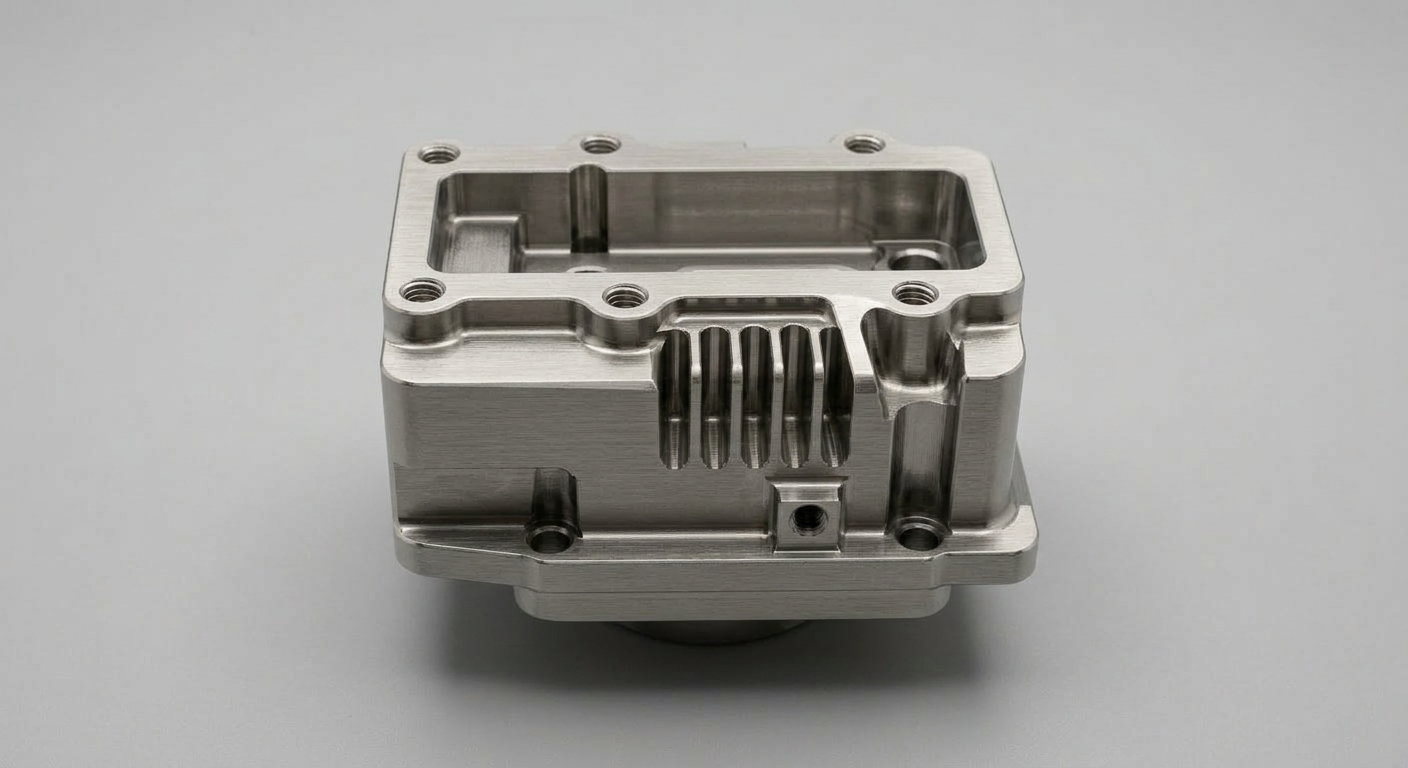
Surface Finish On Turned Parts

Enhance the durability and aesthetics of your turned components with our professional surface finishing services. Whether you need to eliminate tool marks through bead blasting or add protective layers like Black Oxide or Hard Anodizing, our finishes ensure your parts meet the highest functional standards.

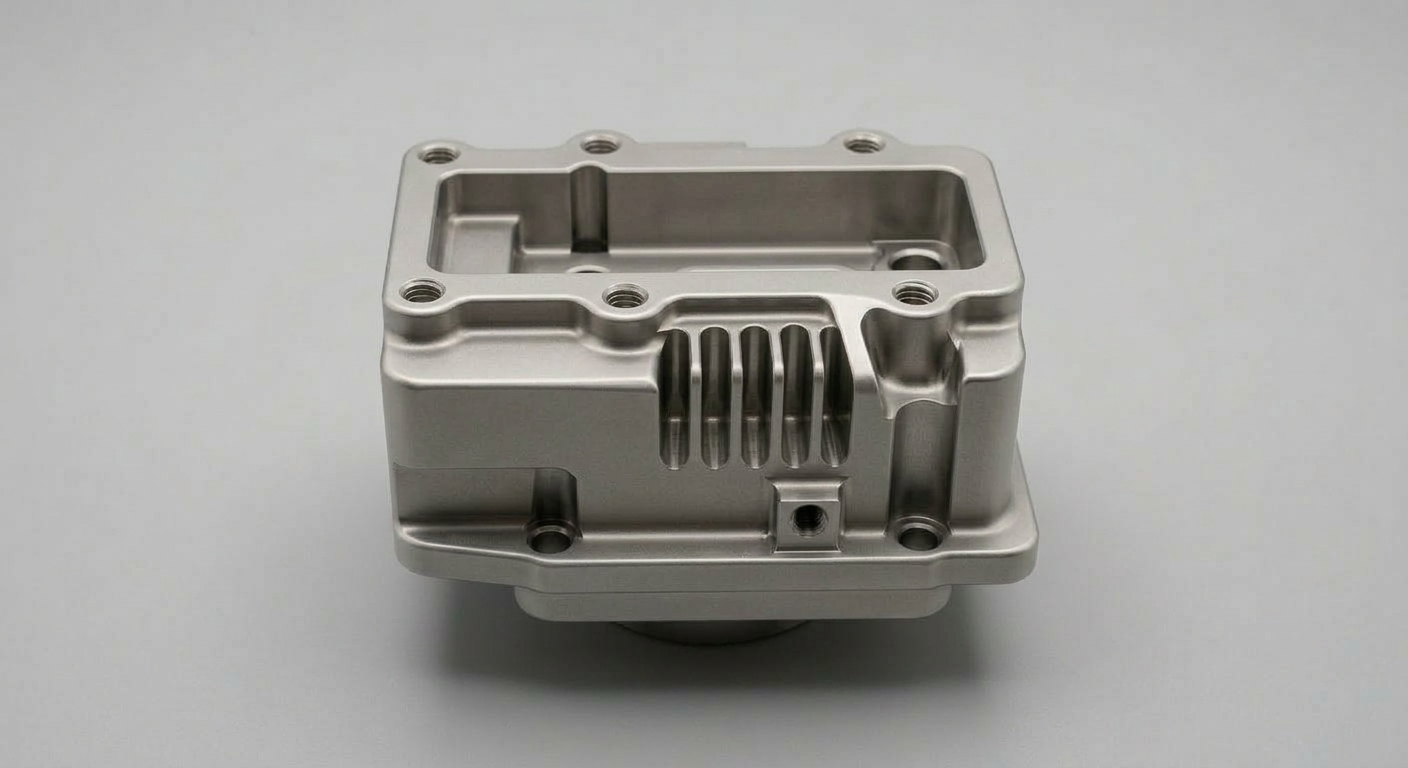
Precision CNC milled part with as-machined surface finish showing visible toolpaths and clean metallic edges

As Machined

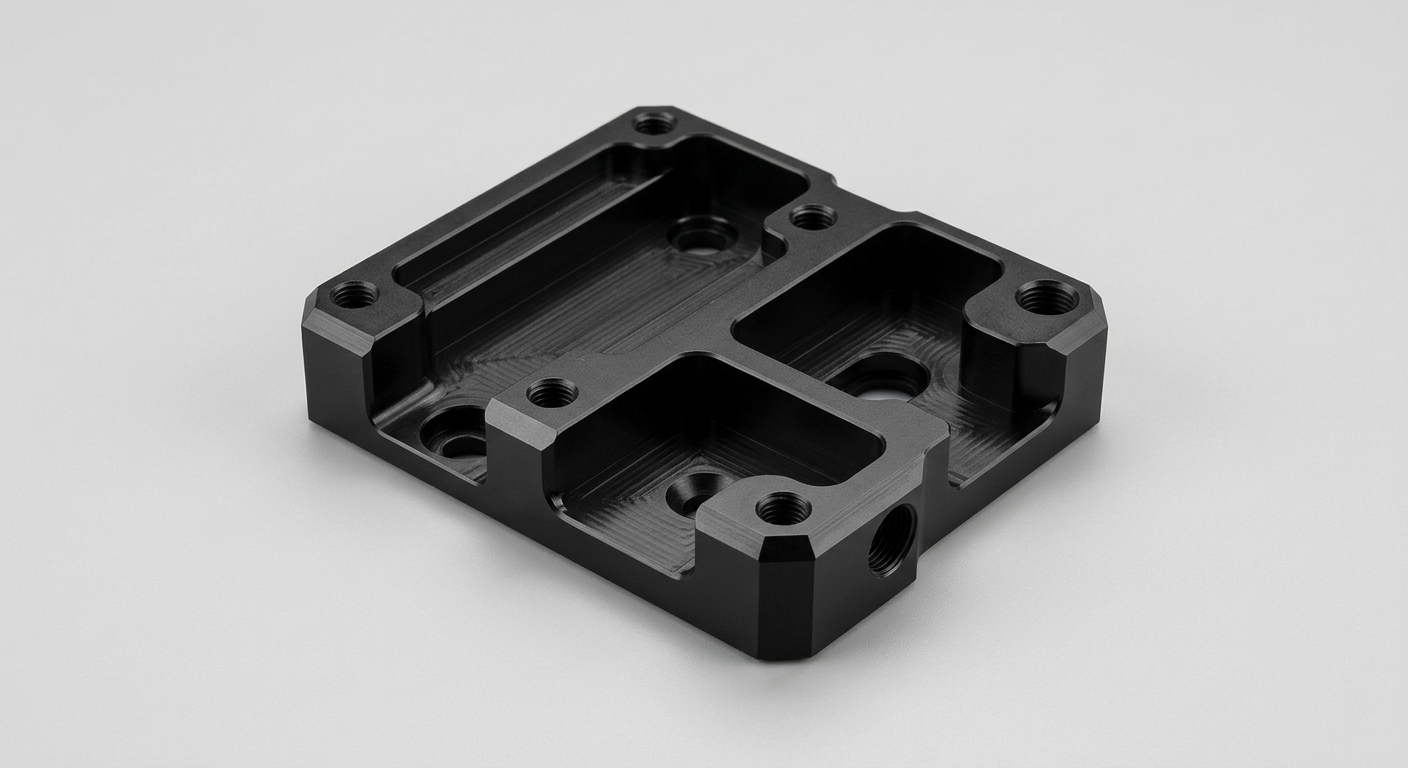
Precision CNC milled aluminum part with black anodized surface finish and uniform matte appearance

Anodizing

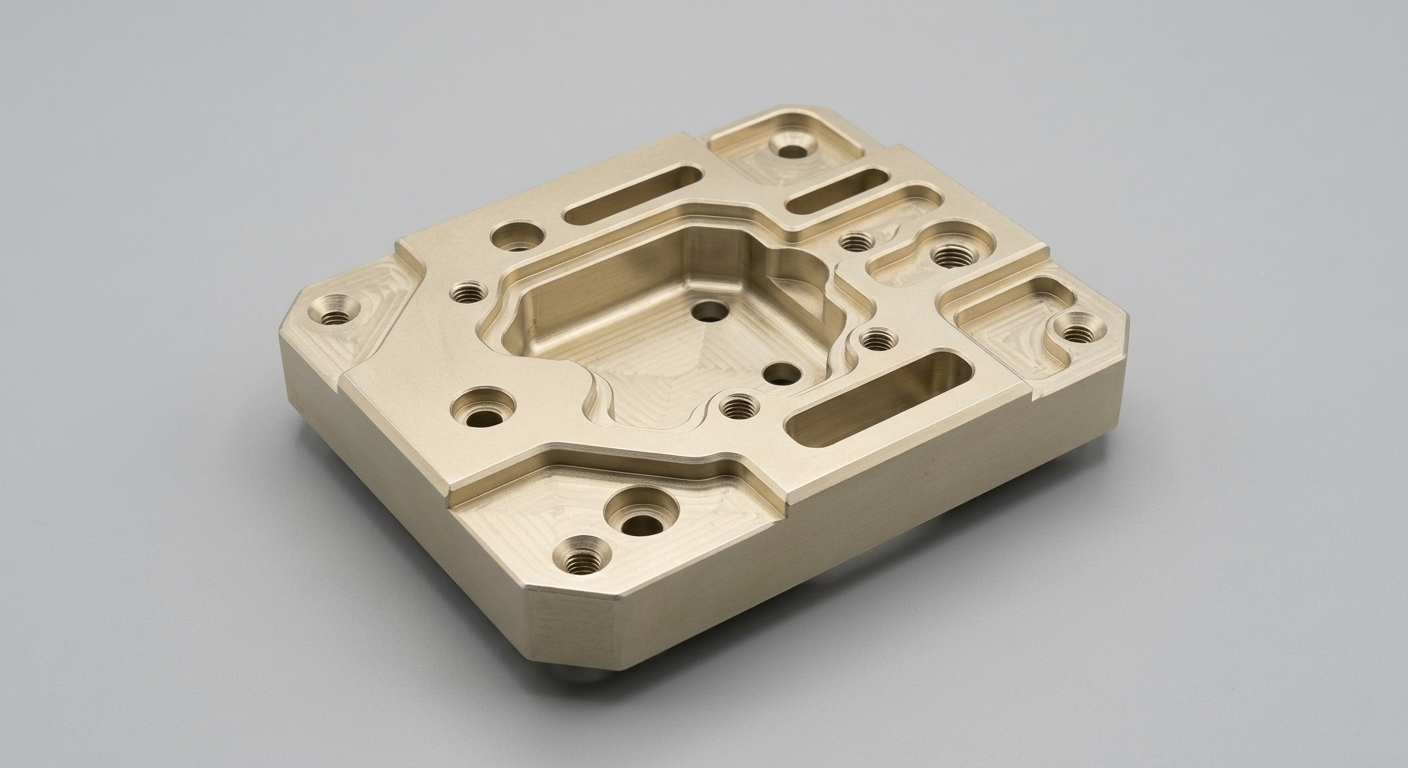
Precision CNC milled aluminum part with alodine conversion coating in a light golden protective finish

Alodine

Precision CNC milled steel part with black oxide finish and clean satin black industrial surface

Black Oxide

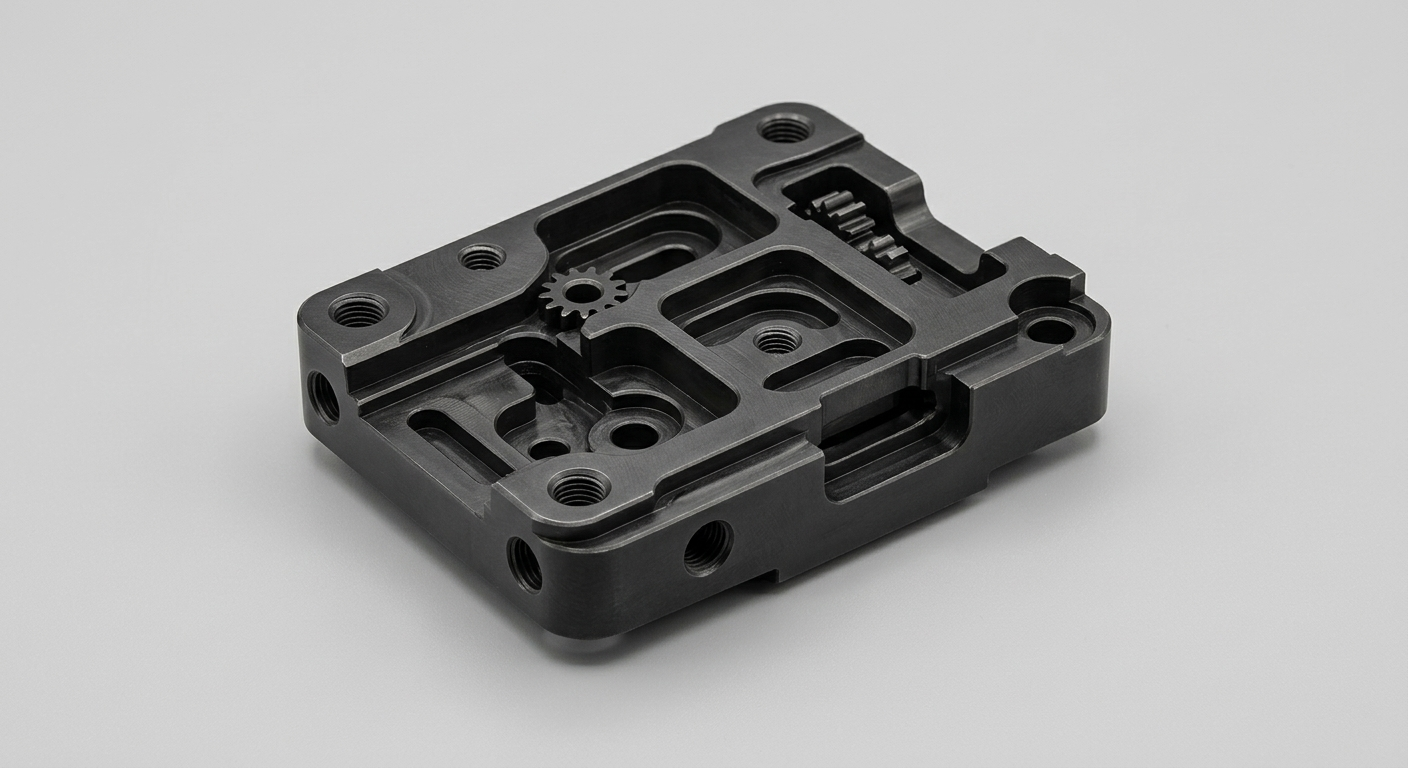
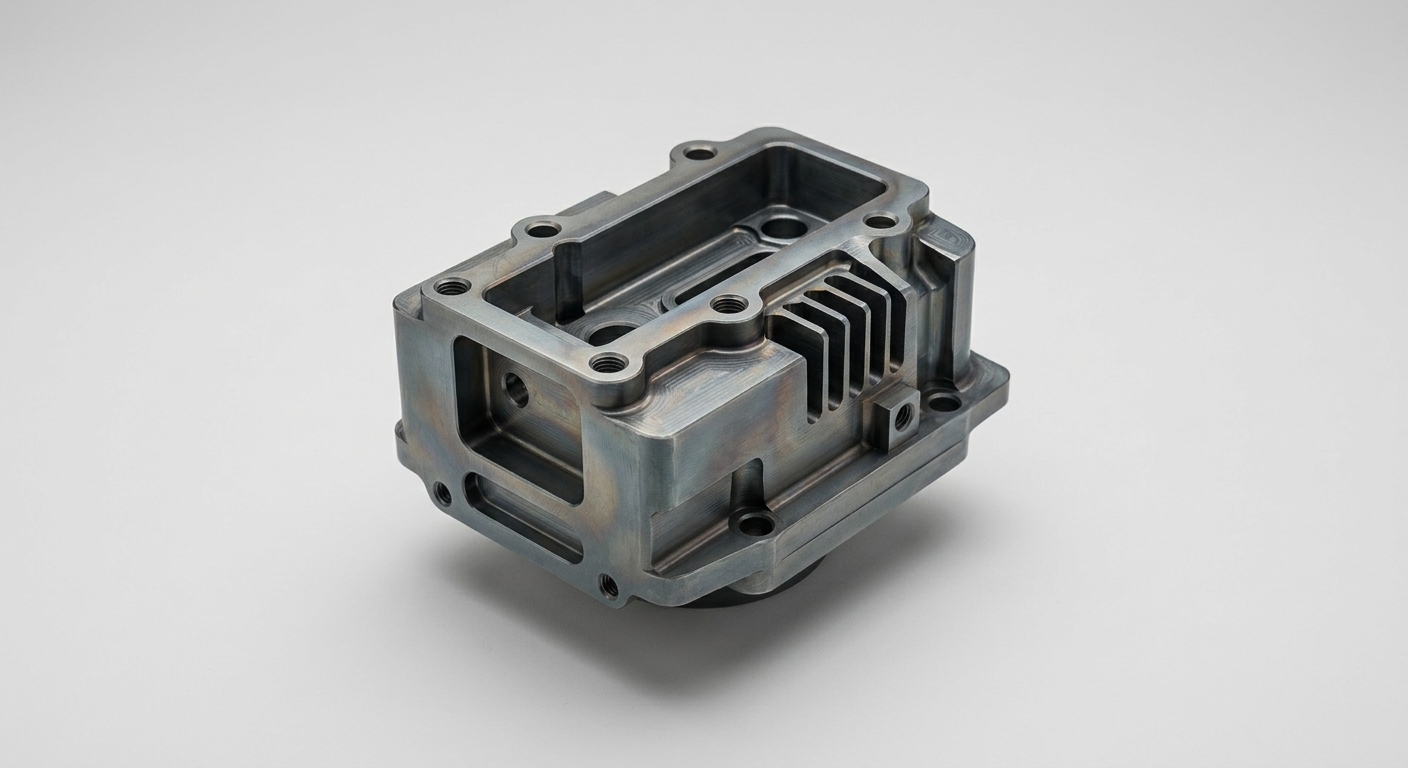
Precision CNC milled metal part with heat-treated finish and clean industrial machined appearance

Heat Treatment

Precision CNC milled part with black powder coated finish and uniform protective matte surface

Powder Coating

Precision CNC milled aluminum part with sand blasted matte surface and refined non-glossy texture

Sand Blasting

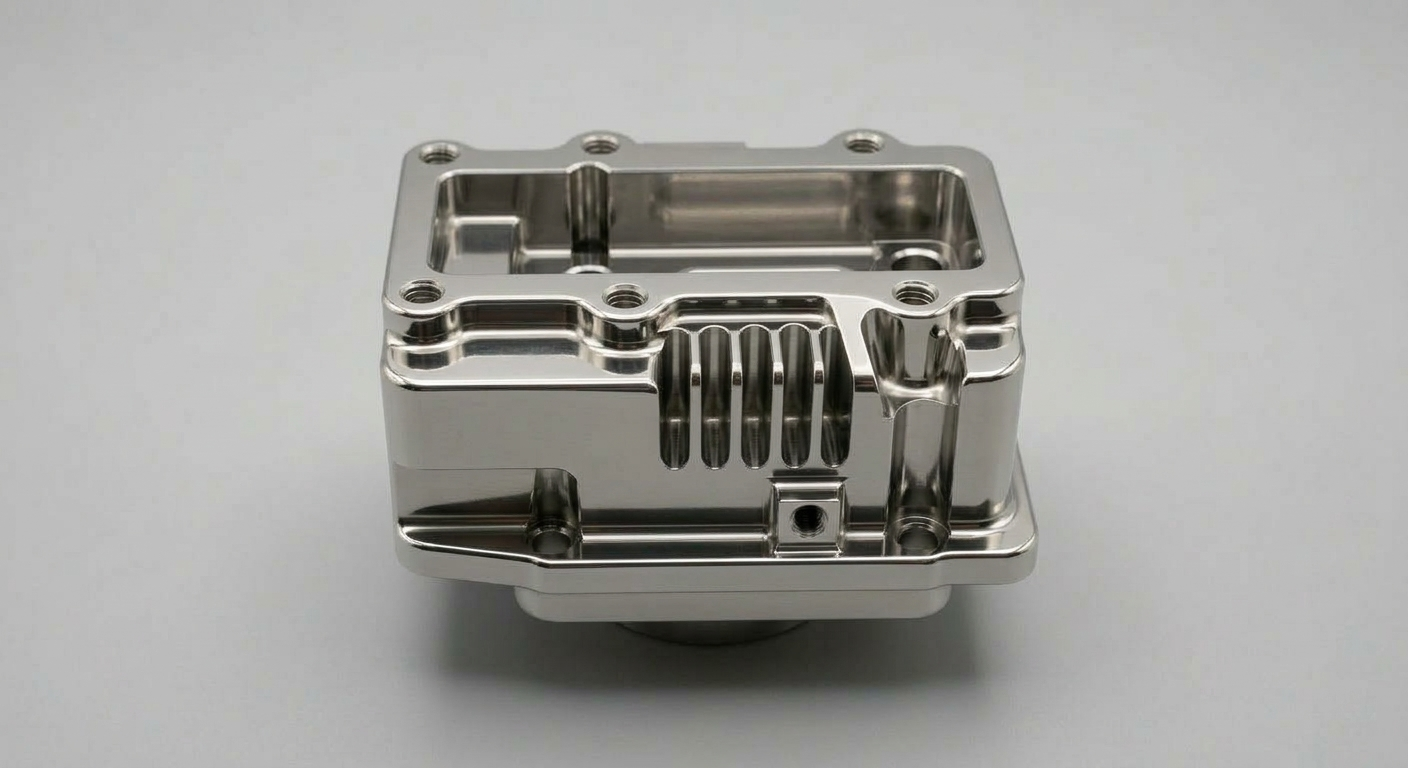
Precision CNC milled part with polished finish and bright reflective metallic surface

Polishing

Precision CNC milled part with brushed finish and fine linear metallic grain texture

Brushed Finish

Precision CNC milled part with tumbled finish and smooth deburred matte metallic surface

Tumbling

Precision CNC milled stainless steel part with electropolished finish and bright clean metallic surface

Electropolish

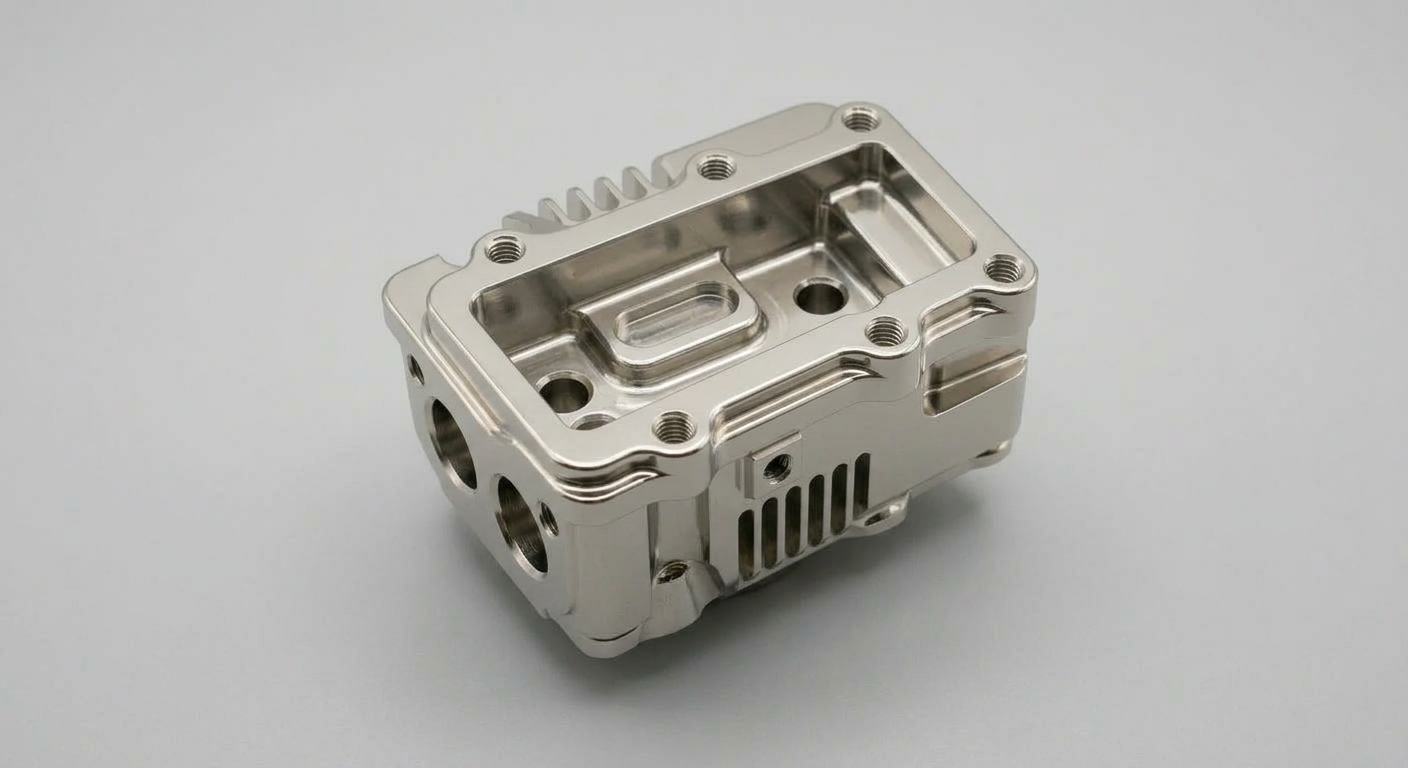
Precision CNC milled part with electroplated finish and bright uniform metallic surface

Electroplating

CNC Turning Design Guidelines

To ensure the best balance between manufacturing cost and high precision, we recommend following these design standards for your CNC-machined parts.

Maintaining adequate wall thickness is critical to prevent part deformation during machining.

  • Metals: Recommended minimum 0.8mm (0.030″).

  • Plastics: Recommended minimum 1.5mm (0.060″).

  • Optimization Tip: Thinner walls increase vibration and reduce machining accuracy.

CNC milling tools are round, meaning vertical internal corners will always have a radius.

  • Recommended Radius: At least 1/3 of the cavity depth.

  • Best Practice: Use a radius slightly larger than the standard tool size (e.g., if a 6mm tool is used, use a 3.2mm radius) to reduce tool stress.

  • Optimization Tip: Avoid sharp 90-degree internal corners as they require expensive EDM (Electrical Discharge Machining).

Deep pockets can lead to tool deflection and chip evacuation issues.

  • Limit: Depth should ideally be no more than 4x the cavity width.

  • Maximum: Up to 10x width if using specialized tooling (increases cost).

Deep pockets can lead to tool deflection and chip evacuation issues.

  • Limit: Depth should ideally be no more than 4x the cavity width.

  • Maximum: Up to 10x width if using specialized tooling (increases cost).

Our standard machining tolerance is ISO 2768-m (Medium).

  • Standard: ± 0.125mm (± 0.005″).

  • Precision: Up to ± 0.005mm (± 0.0002″) upon request for critical features.

  • Advice: Only specify tight tolerances for critical mating surfaces to minimize unnecessary costs.

Our advanced CNC centers can handle parts up to:

  • CNC Milling: 1500mm x 800mm x 500mm (59″ x 31″ x 19″)

  • CNC Turning: 500mm (Diameter) x 1000mm (Length)

Download the CNC Machining Design Guide

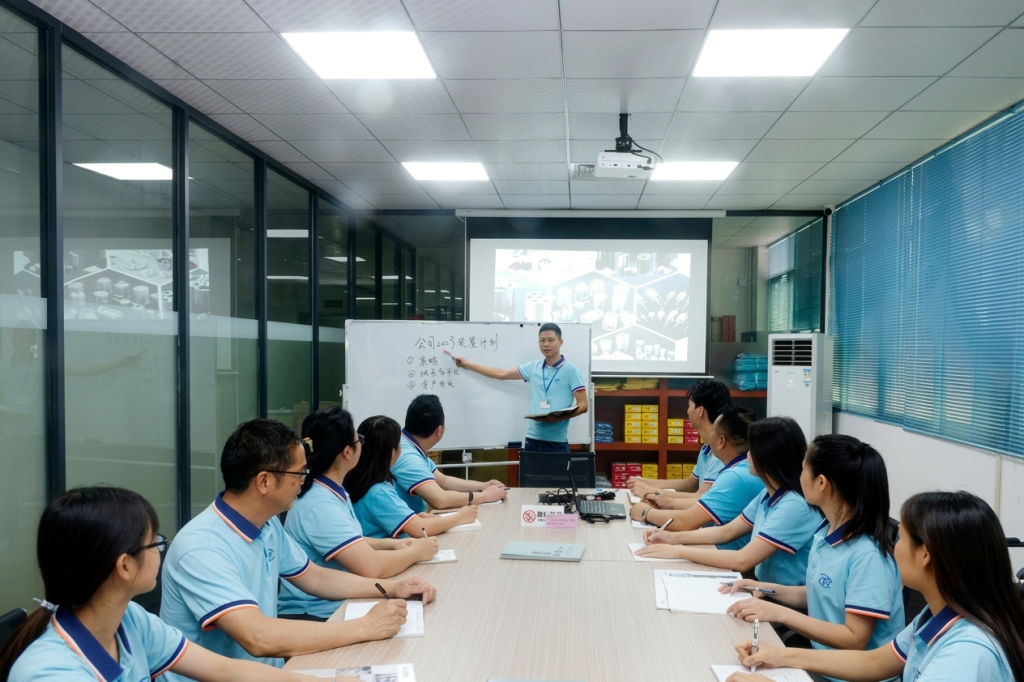
Yongyuan CNC milling team meeting for precision machining project review and production discussion

Why Choose Our CNC Turning?

  • Concentricity Mastery: Our technical team ensures perfect alignment of multi-diameter features, critical for rotating assemblies.

  • Surface Finish Excellence: Achieving Ra 0.4μm to 0.8μm “as-turned” finishes, reducing the need for secondary grinding.

  • Material Expertise: Proficient in turning tough alloys like Titanium, Stainless Steel 316, and engineering plastics like PEEK.

  • DFM for Turning: We analyze your drawings to suggest cost-saving threading and grooving optimizations.

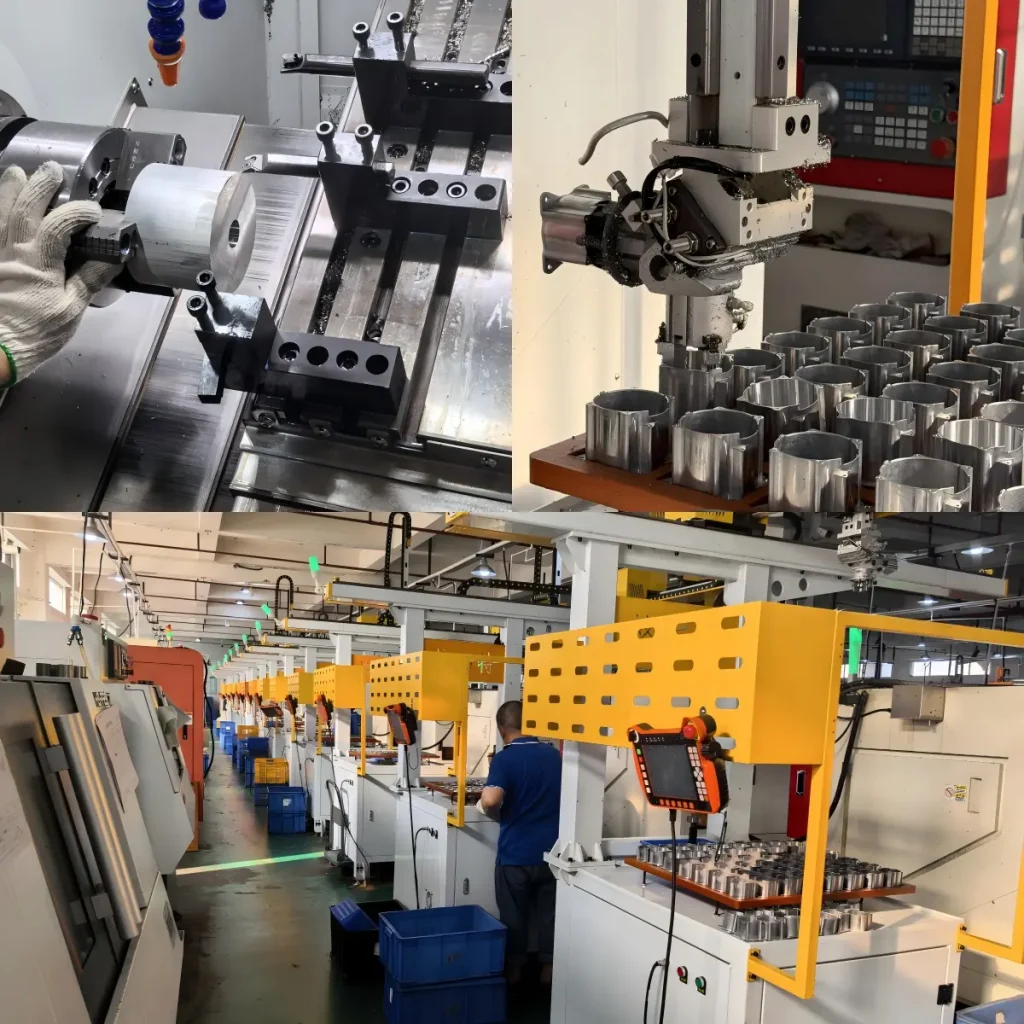
CNC turning production line with precision machining head and aluminum parts in a real factory workshop

What is CNC Turning and How Does it Work?

CNC turning is a subtractive manufacturing process that rotates a material bar in a chuck while a cutting tool removes material to create cylindrical shapes. By optimizing G-code toolpaths, our advanced CNC lathes rapidly produce high-precision parts with superior concentricity.

To further improve consistency and production efficiency, our CNC turning lines are equipped with robotic arm automation for fast and stable loading and unloading. This automated workflow helps reduce manual handling, supports higher-volume production, and ensures more reliable part-to-part repeatability throughout the machining process.

Whether you require standard “as-turned” finishes or functional post-processing like Anodizing (Type II/III), we ensure every component is thoroughly inspected and boxed for immediate assembly upon arrival.

CNC Turned Parts

  • Shafts & Axles: High-concentricity drive shafts, motor rotors, and precision axles.

  • Bushings & Spacers: Custom metal and plastic bushings with superior surface finishes for wear resistance.

  • Fittings & Connectors: Threaded connectors, nozzles, and fluid fittings with leak-proof precision.

  • Bolts & Fasteners: Custom high-strength fasteners and specialized screws for aerospace and industrial use.

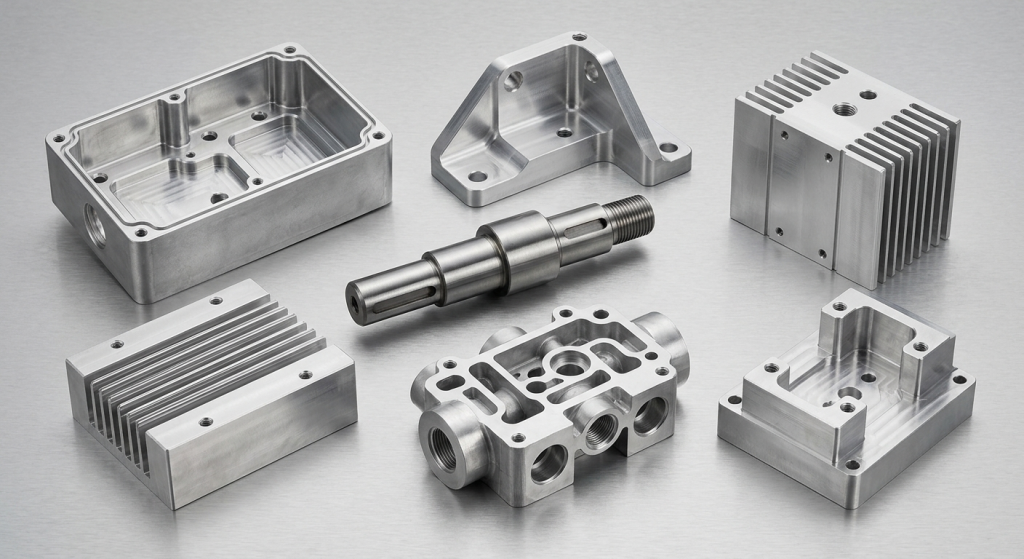
Precision CNC milling parts and components including enclosure housing, bracket, shaft, heat sink, manifold block, and tooling parts

FAQs

A: Our CNC turning centers are equipped to handle a wide range of cylindrical components, from simple shafts to complex geometries. We feature multi-axis lathes (including Y-axis and sub-spindle capabilities) that allow for eccentric drilling, tapping, and milling in a single setup, ensuring high coaxiality and reduced handling.

A: We have extensive experience machining both metals and engineering plastics, including:

  • Metals: Aluminum (6061, 7075), Stainless Steel (303, 304, 316, 17-4 PH), Carbon Steel, Brass, Copper, and Titanium.

  • Plastics: PEEK, POM (Delrin), Nylon, and PTFE.

  • Specialty Alloys: Inconel and Cobalt-Chrome for high-temperature or medical applications.

A: Our equipment can accommodate diameters ranging from 2 mm to 350 mm. For high-precision requirements, we can maintain tolerances as tight as ±0.005 mm (0.0002"), depending on the material and part dimensions. We utilize calibrated micrometers and CMM (Coordinate Measuring Machines) to verify every critical dimension.

A: Yes, we provide a "one-stop" solution. Beyond the "as-machined" finish, we offer various post-processing treatments including:

  • Anodizing (Clear, Color, Hard coat)

  • Passivation and Electro-polishing

  • Plating (Zinc, Nickel, Chrome, Gold)

  • Heat Treatment and Black Oxide coating

A: For mass production, we implement a strict SPC (Statistical Process Control) workflow. This includes initial sample inspection (FAIR), hourly in-process checks by operators, and a final OQC (Outgoing Quality Control) based on AQL standards. Every shipment is accompanied by a Material Mill Certificate and a detailed Dimension Inspection Report.

Get in touch with us

Contact our experts and we will provide you with the packaging machinery that best suits your needs.

Email

sale@micromotorparts.com

WhatsApp

+86 15377730575

*Our team will answer your inquiries within 24 hours.

*Your information will be kept strictly confidential.

Scroll to Top

Request a Quote