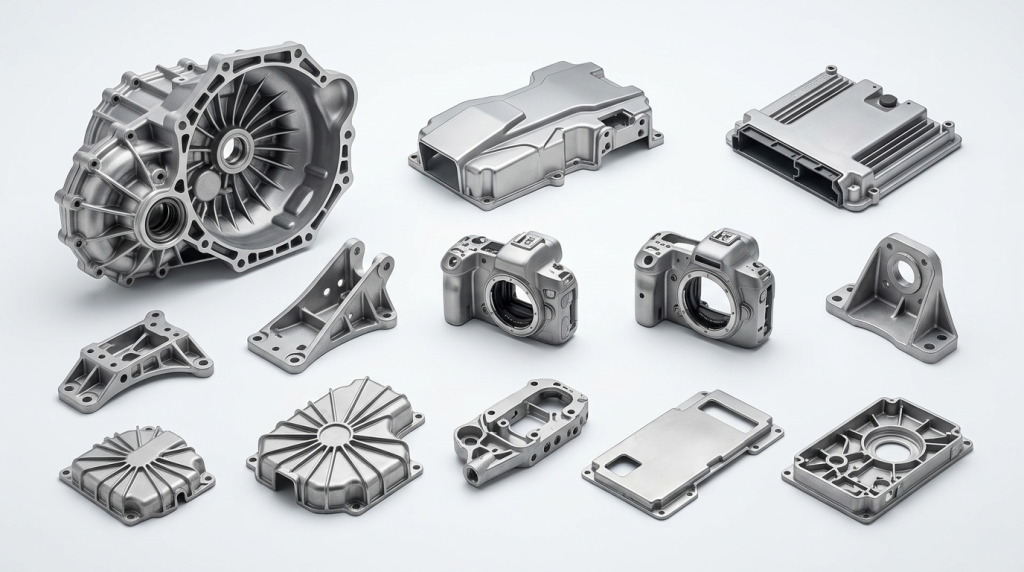
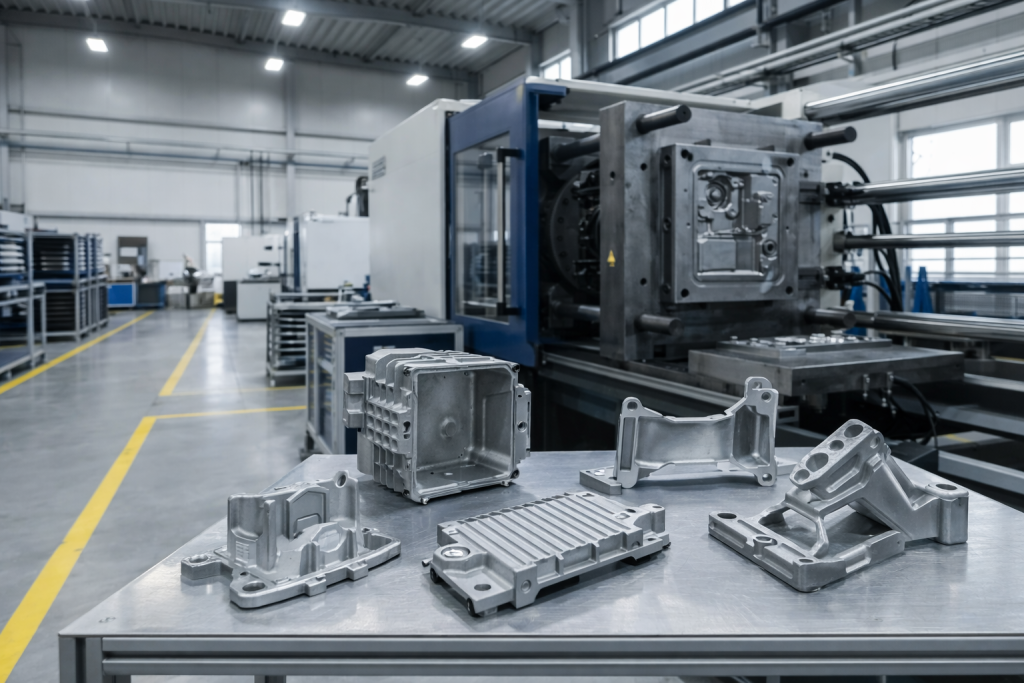
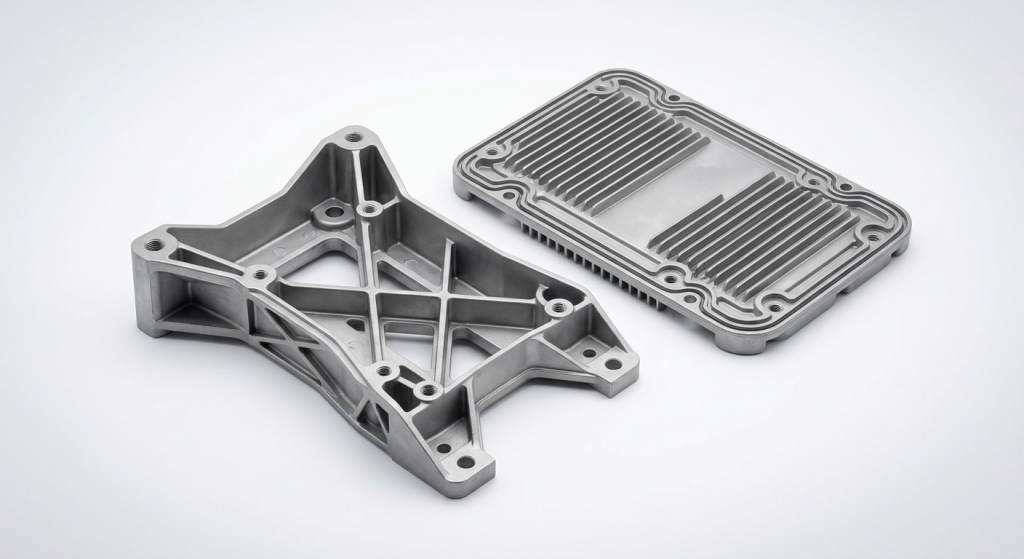
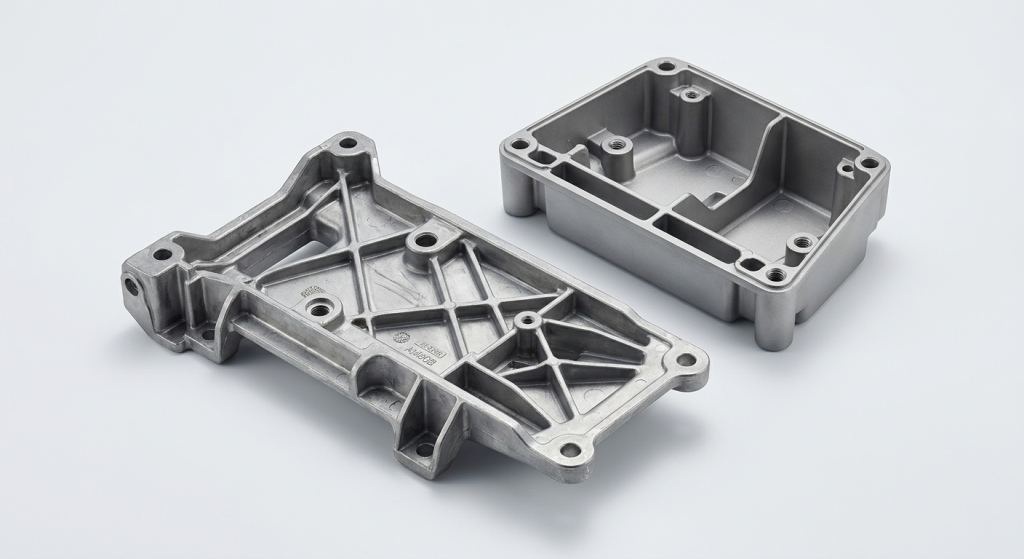
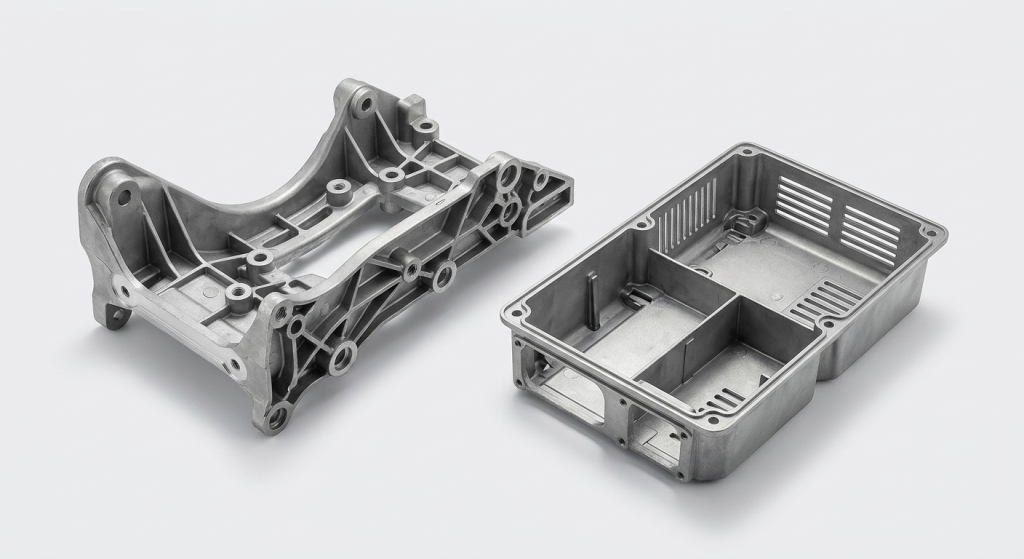
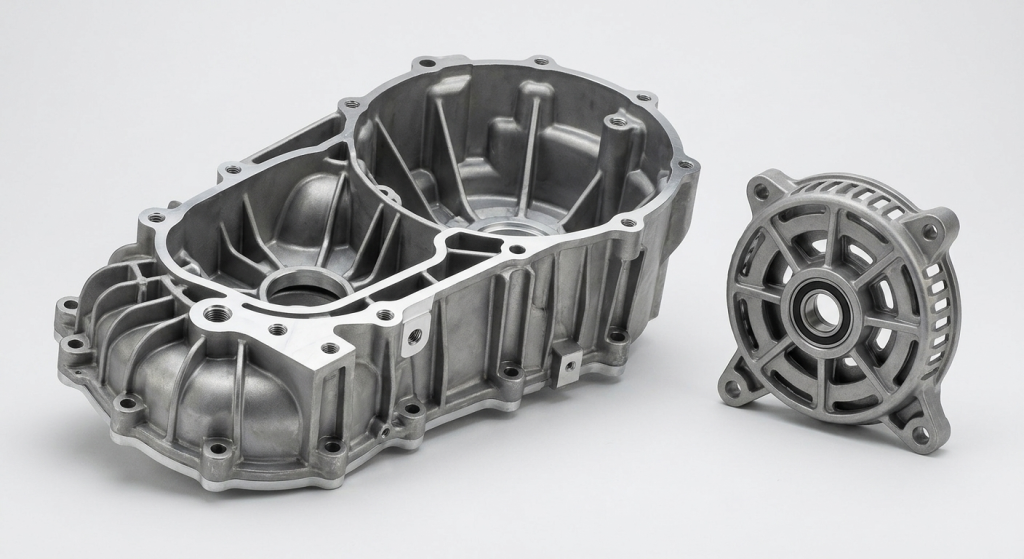
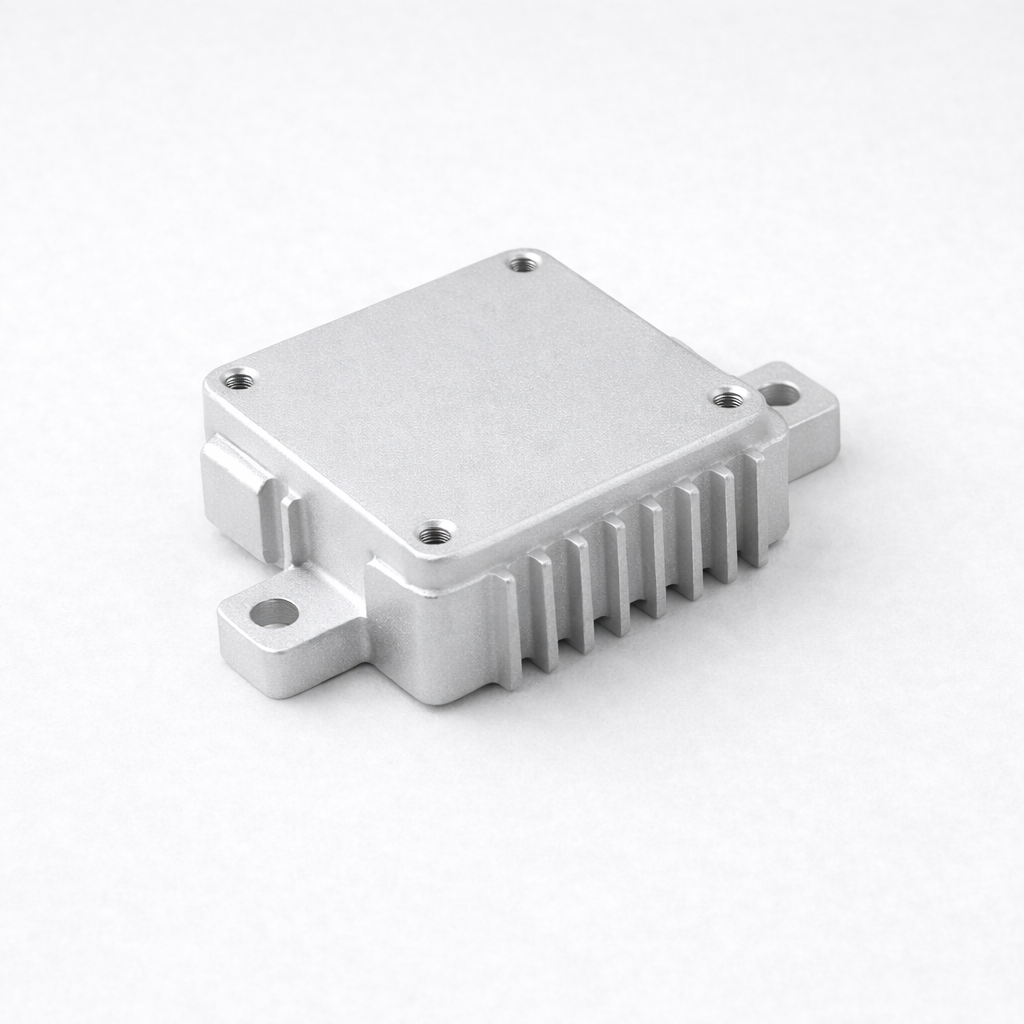
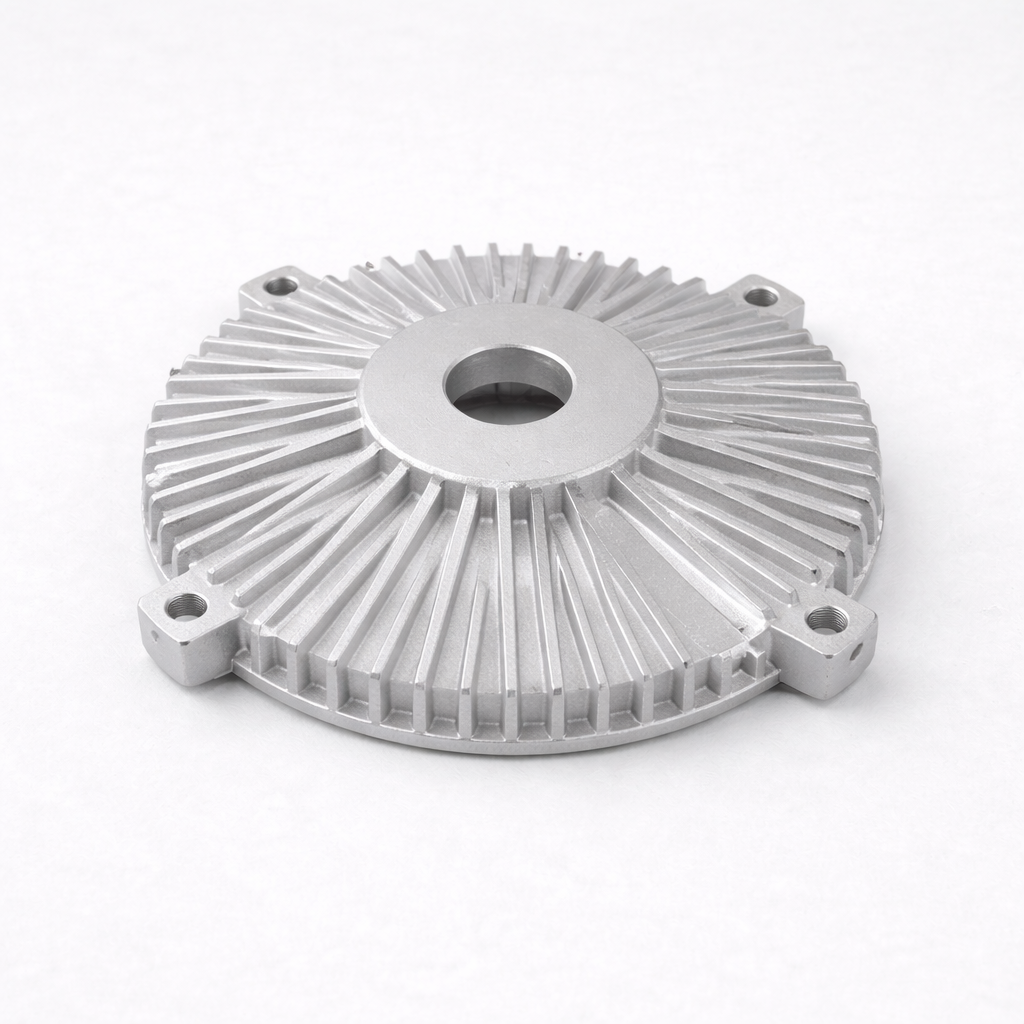
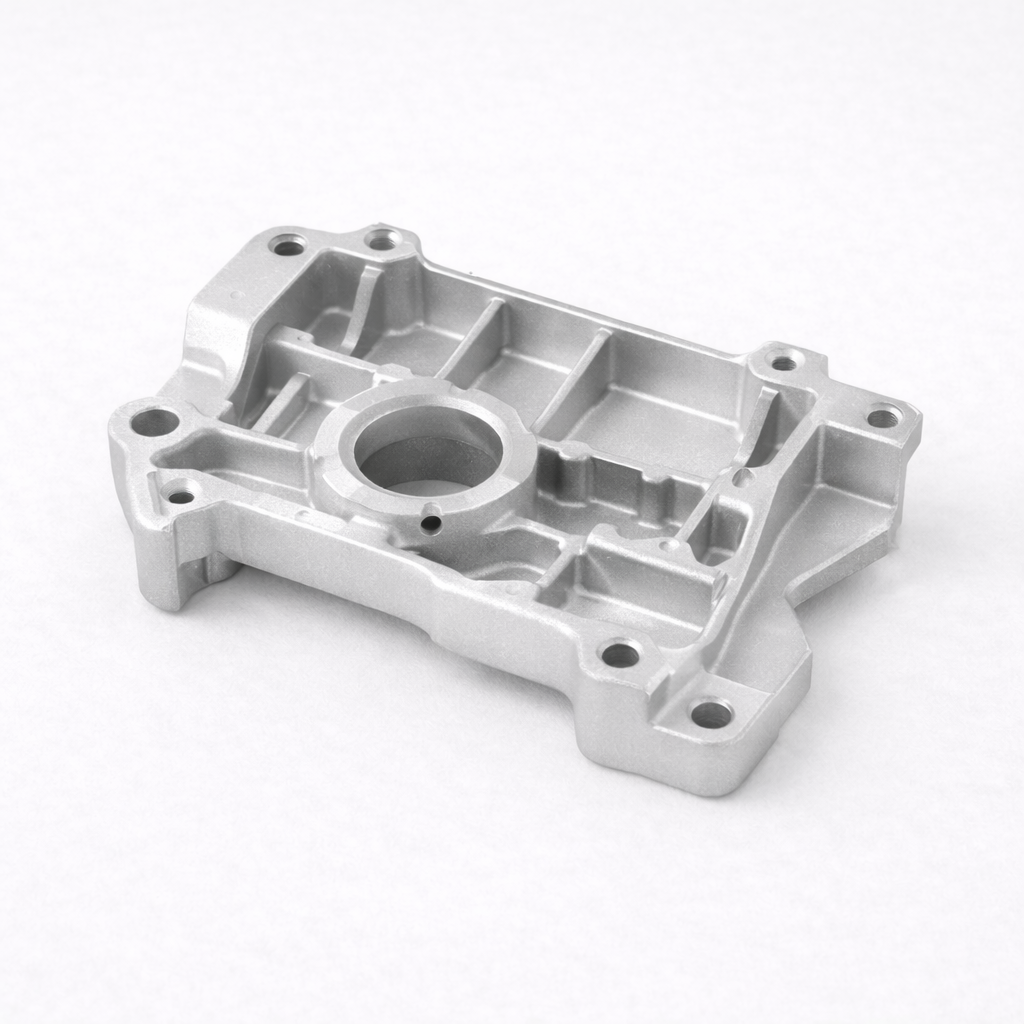
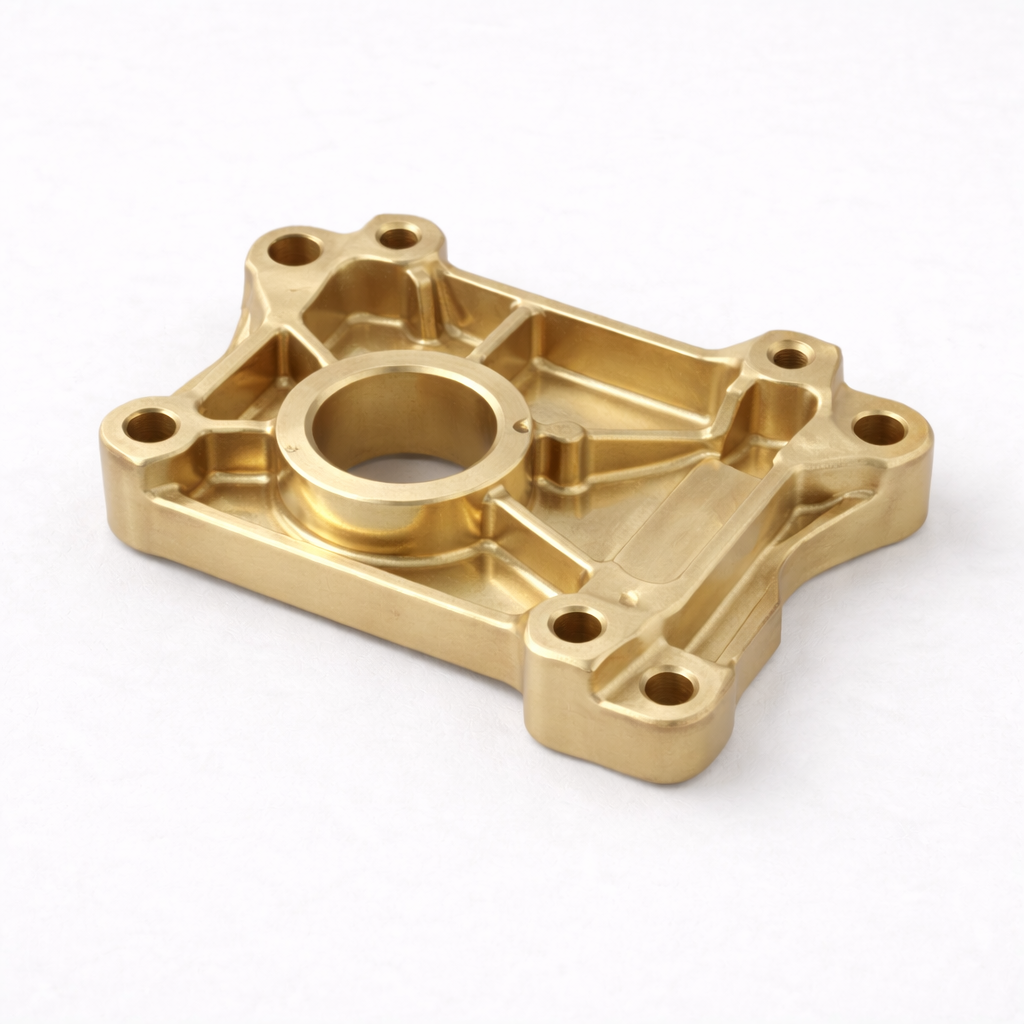
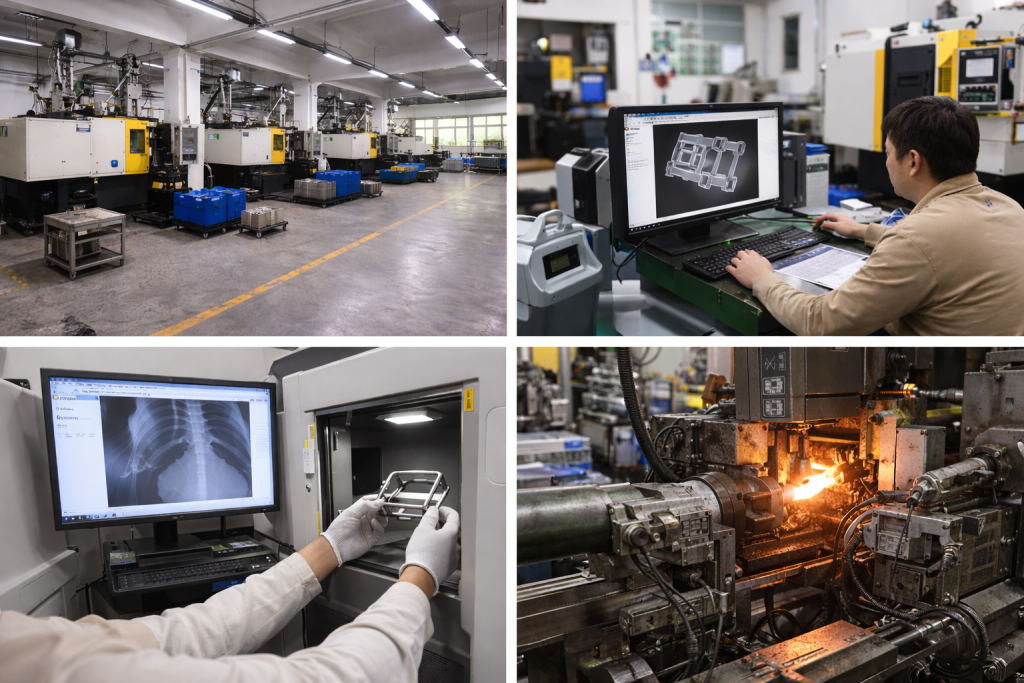
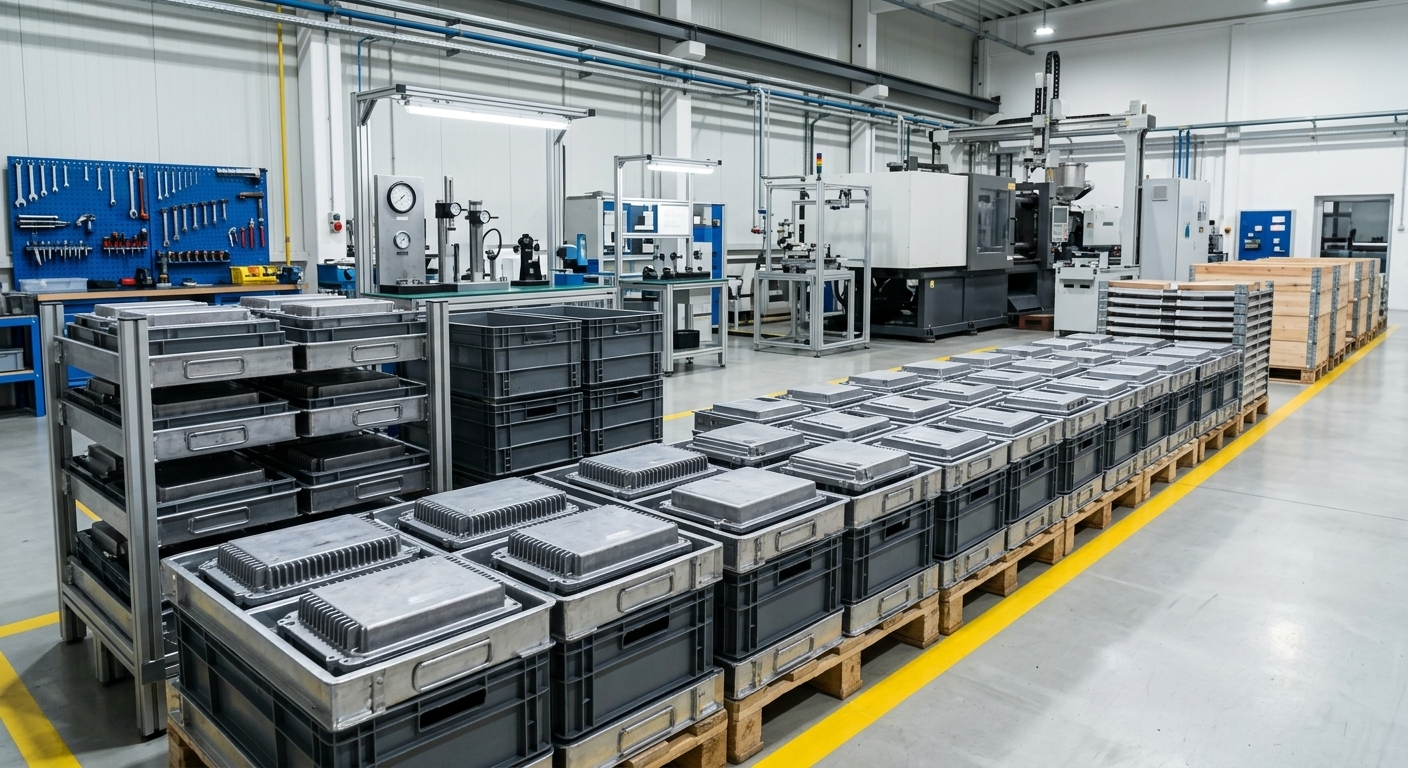
Leverage the power of magnesium—the world’s lightest structural metal—with our professional custom magnesium alloy die casting services. We specialize in high-precision manufacturing using premium grades like AZ91D, AM60B, and AS41B to produce components that offer an exceptional strength-to-weight ratio, superior EMI shielding, and excellent heat dissipation.
Whether you are in the automotive, aerospace, or high-end electronics sector, our end-to-end solutions—from mold design and precision die casting to advanced CNC machining and surface finishing—ensure your parts meet the most rigorous industrial standards for durability and performance.
Magnesium Die Casting is a high-efficiency manufacturing process where molten magnesium alloy is injected into steel molds at high speed and pressure. As the lightest structural metal, magnesium offers the best strength-to-weight ratio and exceptional EMI/RFI shielding, making it the premier choice for weight-critical applications in the aerospace and automotive industries.
Magnesium Alloy Properties and Applications
Key Characteristics: AZ91D is the most widely used magnesium die casting alloy, offering excellent castability, a high strength-to-weight ratio, and good corrosion resistance.
Best Applications: • Automotive: Clutch housings, pedal brackets, and lightweight support structures • Electronics: Laptop casings, communication housings, and camera bodies with EMI shielding requirements • Industrial Products: Power tool housings and portable equipment enclosures
Key Characteristics: AM60B offers good ductility, impact resistance, and lightweight strength, making it suitable for parts that require both structural performance and energy absorption.
Best Applications: • Automotive: Seat frames, steering components, and interior structural brackets • Electronics: Durable device housings and lightweight support parts • Industrial Products: Hand tool housings and impact-resistant structural components
Key Characteristics: AM50A provides good ductility, lightweight performance, and reliable structural strength, making it suitable for thin-wall parts that require toughness and dimensional stability.
Best Applications: • Automotive: Instrument panel supports, seat structures, and interior brackets • Electronics: Lightweight housings and structural support components • Industrial Products: Portable equipment housings and thin-wall structural parts
Key Characteristics: AS41B offers good creep resistance, dimensional stability, and lightweight performance, making it suitable for parts exposed to elevated temperatures.
Best Applications: • Automotive: Transmission cases, engine-related housings, and heat-resistant support components • Electronics: Thermal management housings and stable structural enclosures • Industrial Products: Heat-exposed covers, motor housings, and durable lightweight parts
Advantages of Magnesium Alloy
• Ultra-Lightweight: About 33% lighter than aluminum and 75% lighter than steel. • High Strength-to-Weight Ratio: Suitable for durable, thin-wall parts. • EMI/RFI Shielding: Ideal for electronics and communication devices. • Good Castability: Supports complex shapes and thin-wall designs. • Vibration Damping: Helps reduce noise and vibration. • Good Heat Dissipation: Better thermal conductivity than most plastics. • Recyclable: A more sustainable material choice.
Limitations of Magnesium Alloy
• Higher Material Cost: Usually more expensive than aluminum and steel. • Flammability During Machining: Fine chips and dust require strict safety control. • Corrosion Sensitivity: Surface treatment is needed in harsh environments. • Lower High-Temperature Strength: Most standard grades lose strength above 150°C. • Galvanic Corrosion Risk: Contact with other metals may accelerate corrosion.
Q1: What are the main advantages of Magnesium over Aluminum in die casting?
A: Magnesium is 33% lighter than aluminum and offers a better strength-to-weight ratio. It allows for thinner wall thicknesses (down to 0.8mm) and has a longer mold life (typically 2-3 times longer than aluminum), which reduces long-term tooling costs for high-volume production.
Q2: Which magnesium alloy grade should I choose for my project?
A: It depends on your application:
AZ91D is best for general-purpose parts needing strength and corrosion resistance.
AM60B/AM50A are ideal for safety components requiring high ductility and impact toughness.
AS41B is the best choice for high-temperature environments like engine or transmission parts.
Q3: Is magnesium alloy susceptible to corrosion?
A: While magnesium is more reactive than some other metals, modern alloys like AZ91D have significantly improved corrosion resistance. Furthermore, we offer professional surface treatments—such as anodizing, powder coating, and E-coating (KTL)—to ensure long-lasting durability even in harsh environments.
Q4: How does magnesium alloy help with EMI/RFI shielding?
A: Magnesium is an inherently conductive material, providing excellent natural EMI and RFI shielding. This makes it a superior choice for housing electronics, medical devices, and telecommunication equipment compared to plastic, which requires expensive conductive coatings.
Q5: Is magnesium die casting safe for mass production?
A: Yes, absolutely. While magnesium powder can be flammable, the solid die-casting process is extremely safe when handled by professionals. Our facility follows strict safety protocols and industry standards to ensure a stable and high-quality production environment for all your custom projects.
From Design to Delivery: Our 4-Step Process
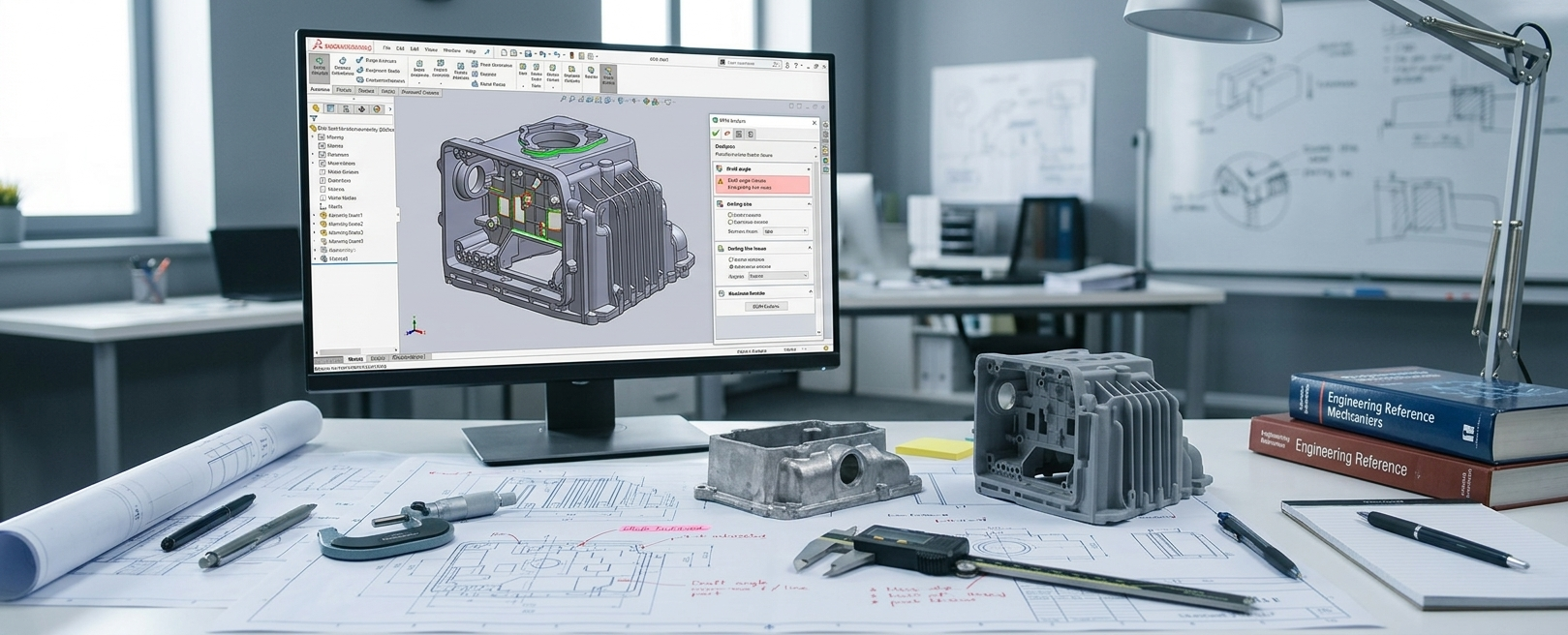
Step 1: Design Review & DFM
Upload your 3D drawings (STEP/IGS); our engineers provide Design for Manufacturing (DFM) feedback to optimize costs.
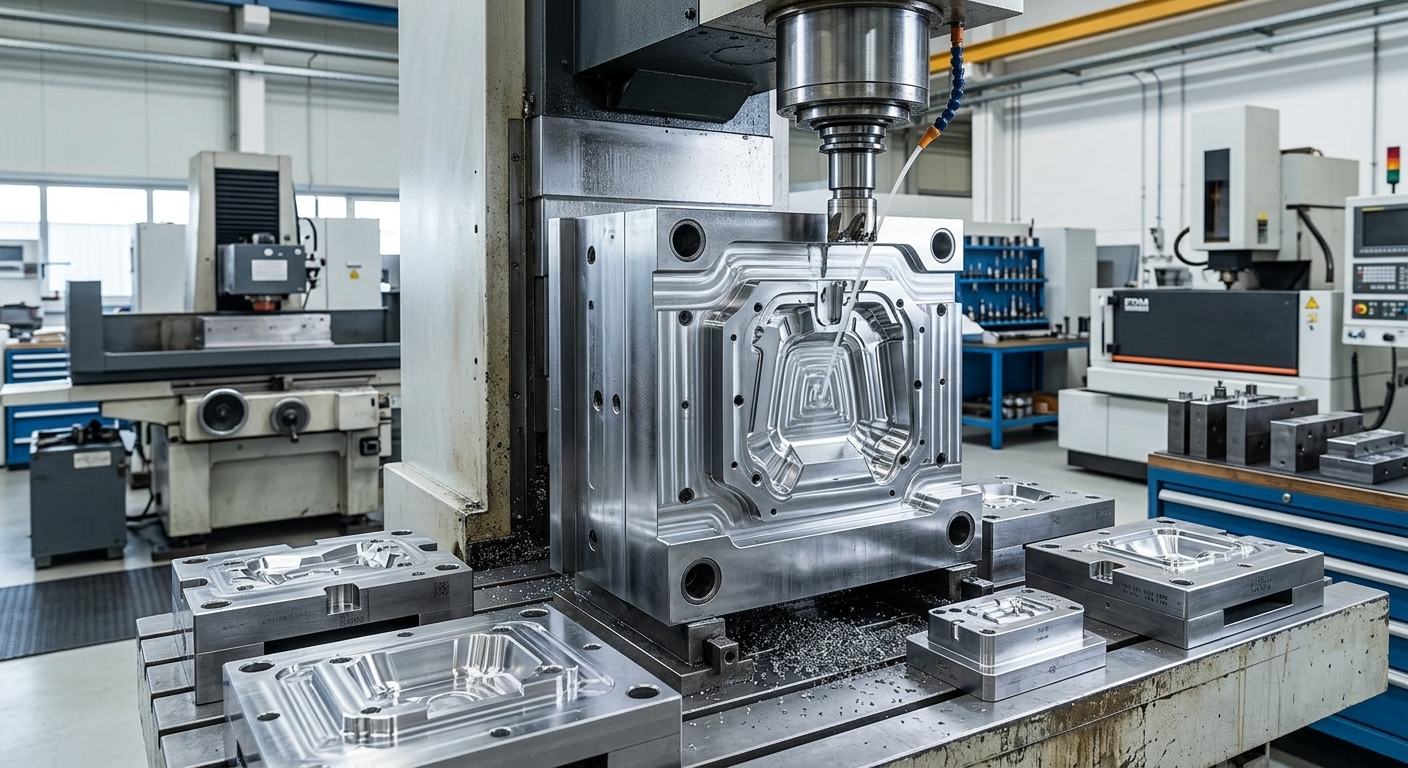
Step 2: Precision Tooling
In-house mold making ensures high-speed production and consistent quality for your aluminum parts.
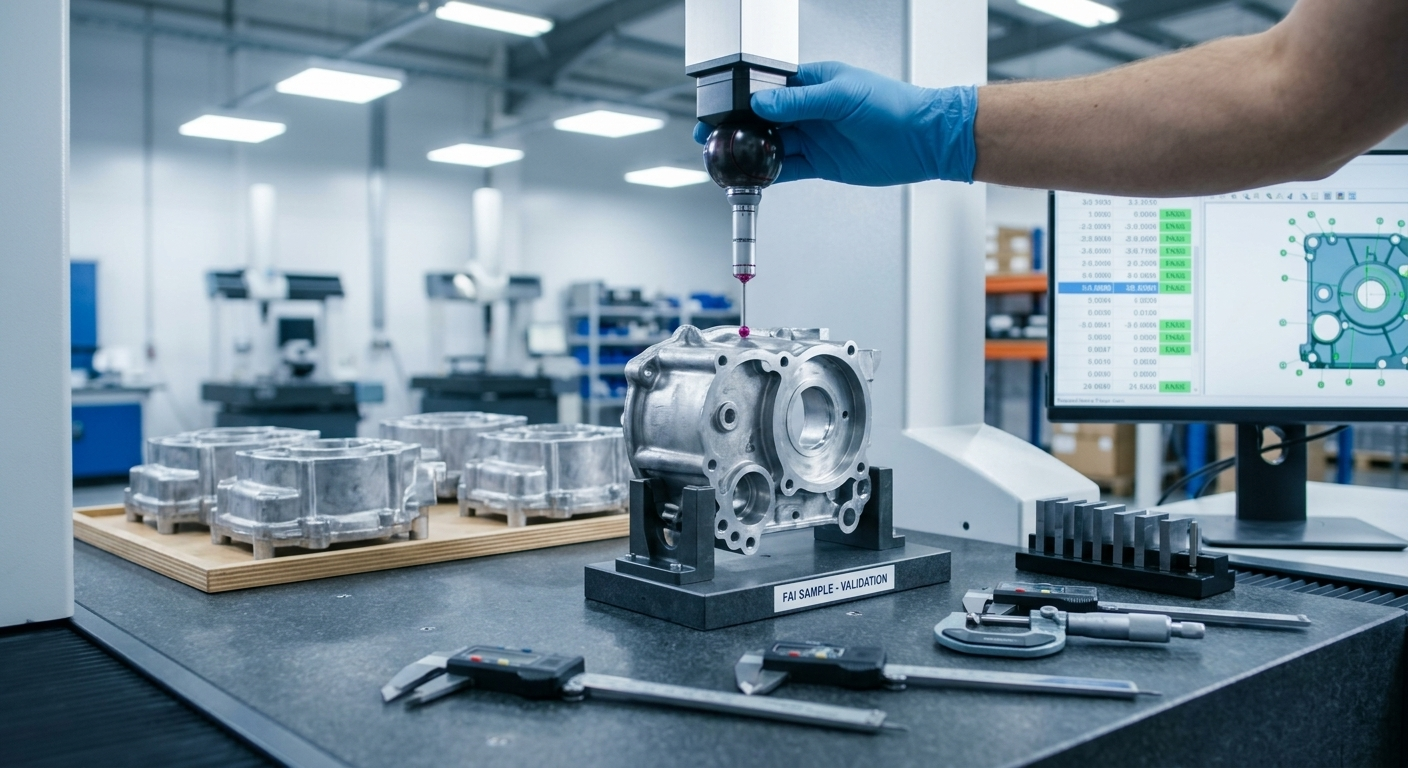
Step 3: Sample Validation
We deliver functional samples within 20 days for your testing and approval before mass production.
Step 4: Mass Production & Logistics
High-pressure die casting, CNC finishing, and global shipping with strict quality reports included.
Ready to Start Your Next Die Casting Project?
Get a technical review and a competitive quote within 24 hours.