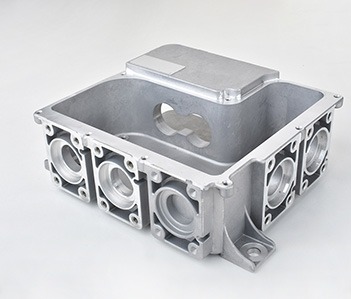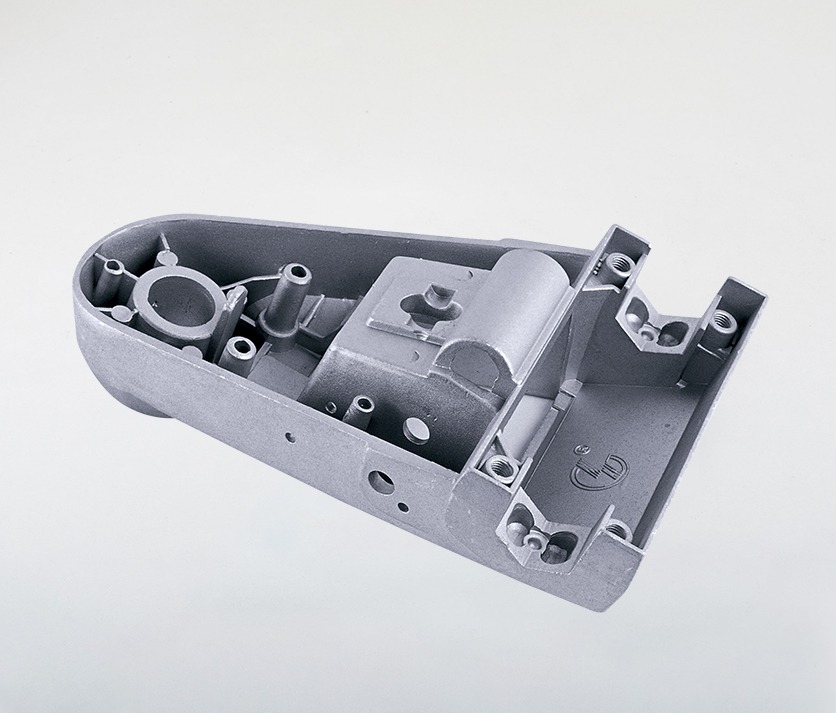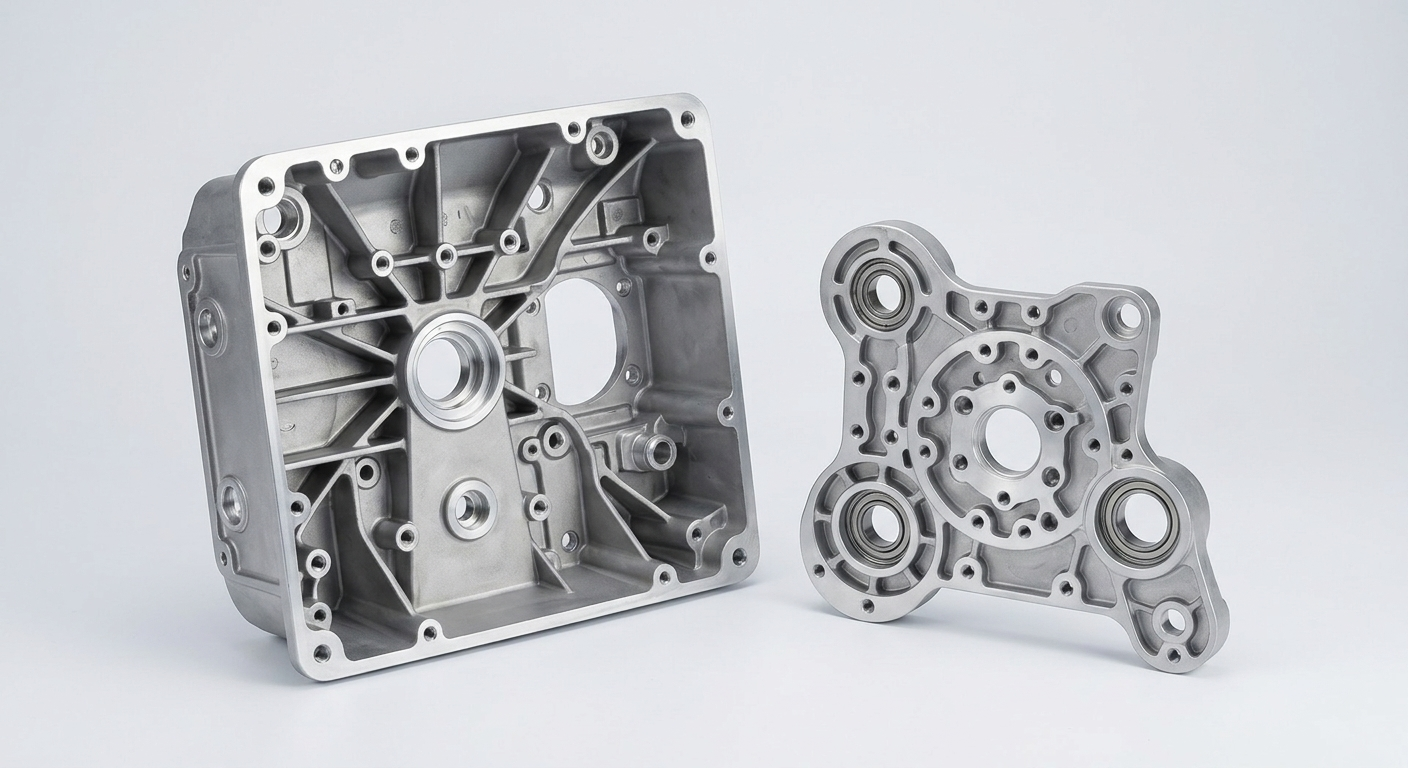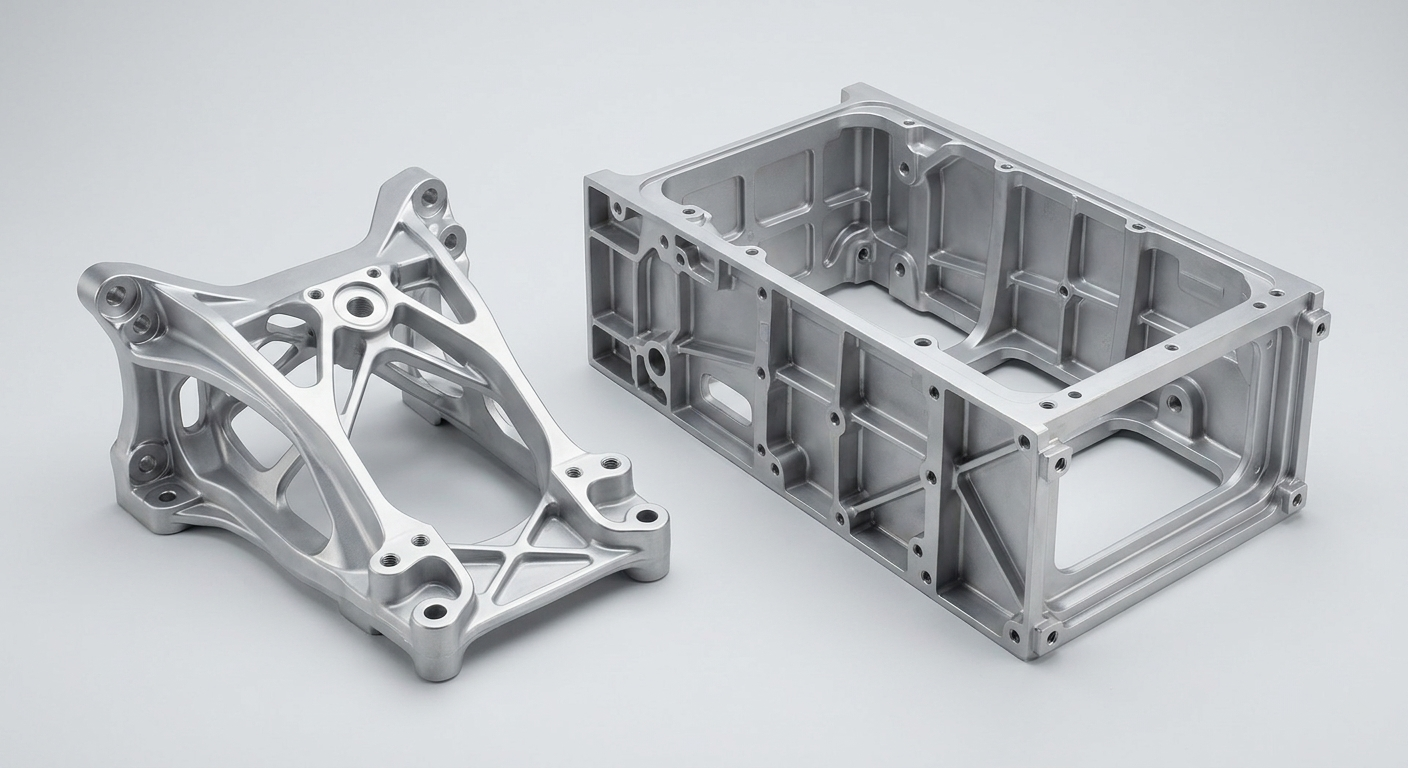
Aluminum Die Casting Manufacturer
From rapid prototyping to high-volume production, we deliver tight-tolerance components (up to ±0.01mm) with a 20-day rapid sampling guarantee. Your partner for complex geometries and superior surface finishes.
±0.01mm
Tolearance
20+
Years Experience
20 Day
Die Casting Samples Delivered
Certifications
ISO 9001 & IATF 16949
What is aluminum die casting?
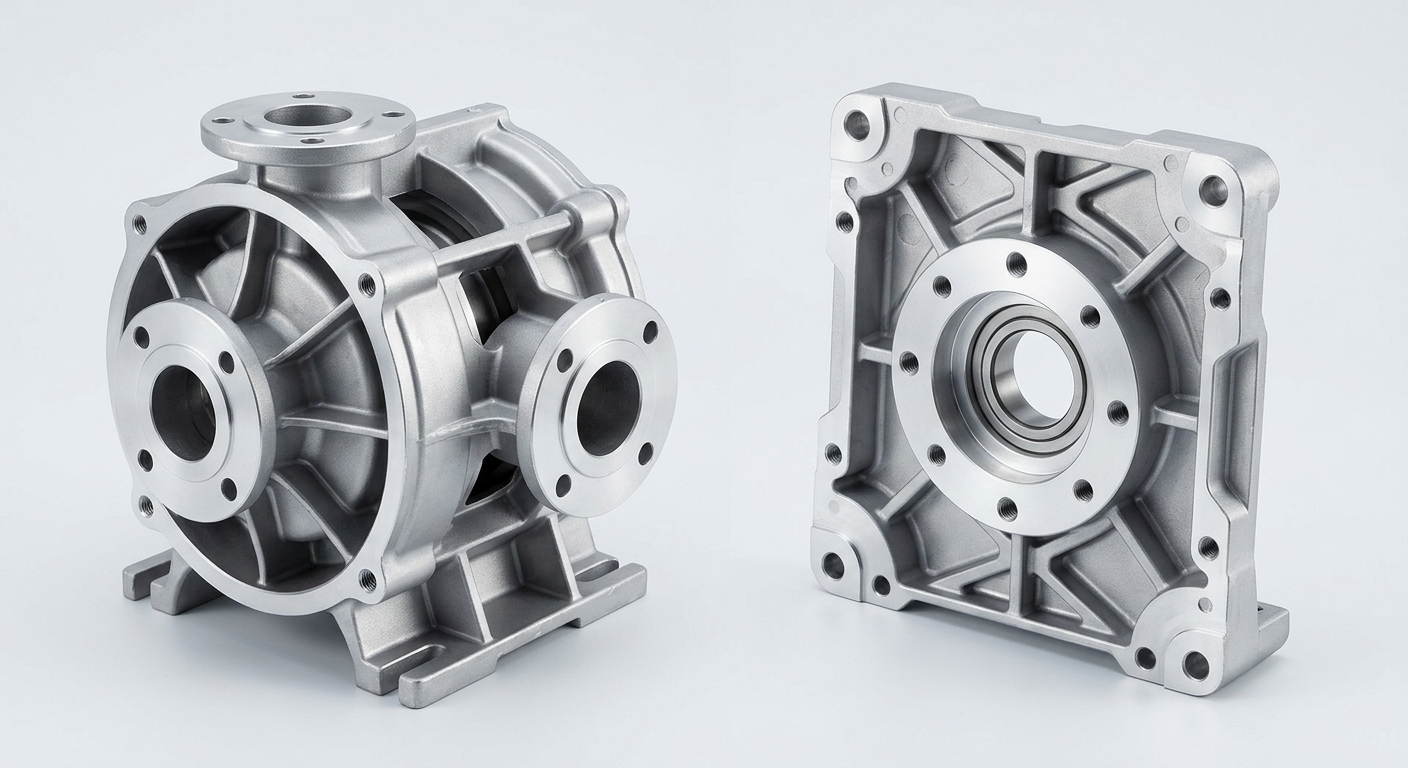
Aluminum Die Casting is a precision manufacturing process where molten aluminum is injected into a steel mold under high pressure. It is the go-to solution for creating lightweight, complex-shaped parts with high dimensional accuracy (up to ±0.01mm) and a smooth surface finish, significantly reducing the need for secondary machining.
Aluminum Alloy Properties and Applications
A380 is the most widely used aluminum alloy for die casting. It offers an excellent balance of material properties and ease of production.
Key Benefits: Outstanding fluidity, pressure tightness, and resistance to hot cracking.
Best For: Electronic equipment chassis, engine brackets, gearbox cases, and household appliances.
ADC12 is a popular choice for complex multi-cavity dies. It is known for its excellent casting characteristics and cost-effectiveness.
Key Benefits: High dimensional stability, excellent machining properties, and superior thermal conductivity.
Best For: Automotive engine components, cylinder heads, and intricate consumer electronics parts.
A356 is often used when high strength and excellent heat treatment characteristics are required for the final component.
Key Benefits: Exceptional corrosion resistance and very good weldability with high ductility.
Best For: Aircraft and marine components, high-speed wheels, and heavy-duty industrial housings.
Known for its exceptionally low shrinking rate and high fluidity, AlSi12 is the best choice for thin-walled and complex casting components.
Key Benefits: Excellent corrosion resistance and high leak tightness (pressure tightness).
Best For: Heat exchangers, hydraulic components, and thin-walled enclosures for marine environments.
A413 is a high-silicon alloy that offers great wear resistance and excellent pressure tightness.
Key Benefits: Excellent resistance to hot cracking and high thermal conductivity.
Best For: Cylinder blocks, outboard motor parts, and dental equipment components.
Key Characteristics of Aluminum Die Casting
Aluminum die casting is a manufacturing process in which molten aluminum alloy is injected into a sealed mold cavity under high pressure. Its unique physical and chemical properties include:
Complex Geometric Capabilities: Allows for the production of parts with intricate shapes and thin walls (as thin as 0.75mm – 1.0mm) that other casting methods cannot achieve.
High Dimensional Accuracy: Delivers exceptional consistency across large production runs, maintaining tight tolerances and reducing the need for secondary machining.
Thermal and Electrical Conductivity: Aluminum alloys possess excellent heat dissipation properties, making them the preferred choice for electronic housings and LED heat sinks.
High Strength-to-Weight Ratio: While aluminum is lightweight, the die-casting process creates a dense surface skin that provides significant structural integrity and durability.
Natural Corrosion Resistance: Aluminum naturally forms a protective oxide layer, providing basic resistance against atmospheric corrosion and harsh environments.
Advantages of Aluminum Die Casting
Rapid Production Cycles: The fast cooling rate of aluminum alloys allows for high-speed production, making it the most cost-effective solution for high-volume manufacturing.
Reduced Secondary Machining: Produces “near-net-shape” parts with excellent surface finishes (Ra 1.6 – 3.2), drastically cutting down the time and cost spent on CNC machining.
Weight Reduction: Ideal for automotive and aerospace industries where reducing component weight directly improves fuel efficiency and portability without sacrificing durability.
Extended Tooling Life: Aluminum’s lower melting point compared to steel or iron reduces thermal stress on the molds, resulting in a longer lifespan for expensive die-casting tools.
Versatile Surface Finishing: The surfaces are highly receptive to industrial treatments such as Anodizing, Powder Coating, and Electroplating for enhanced aesthetics and wear resistance.
Eco-Friendly & Sustainable: Aluminum is 100% recyclable. Using recycled alloys reduces the carbon footprint and aligns with modern ESG (Environmental, Social, and Governance) standards.
Consolidated Part Design: Allows multiple components to be combined into a single die-cast part, reducing assembly time and eliminating potential failure points like welds or fasteners.
Our Advanced Die Casting Facilities & Capabilities
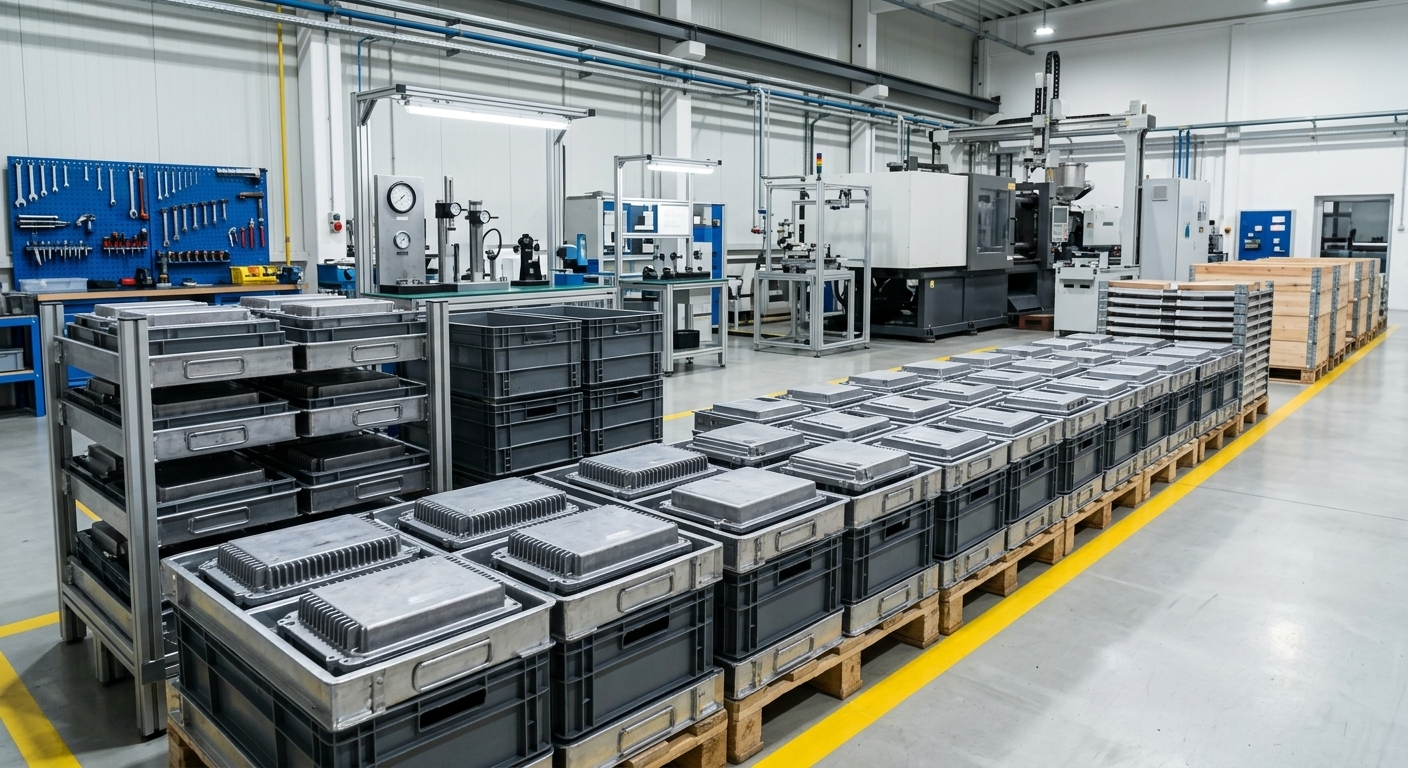
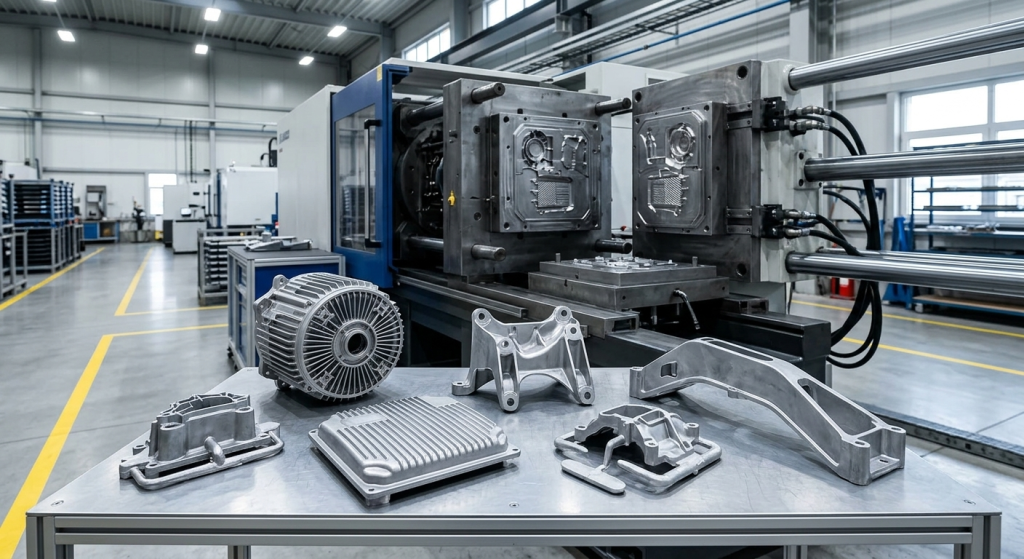
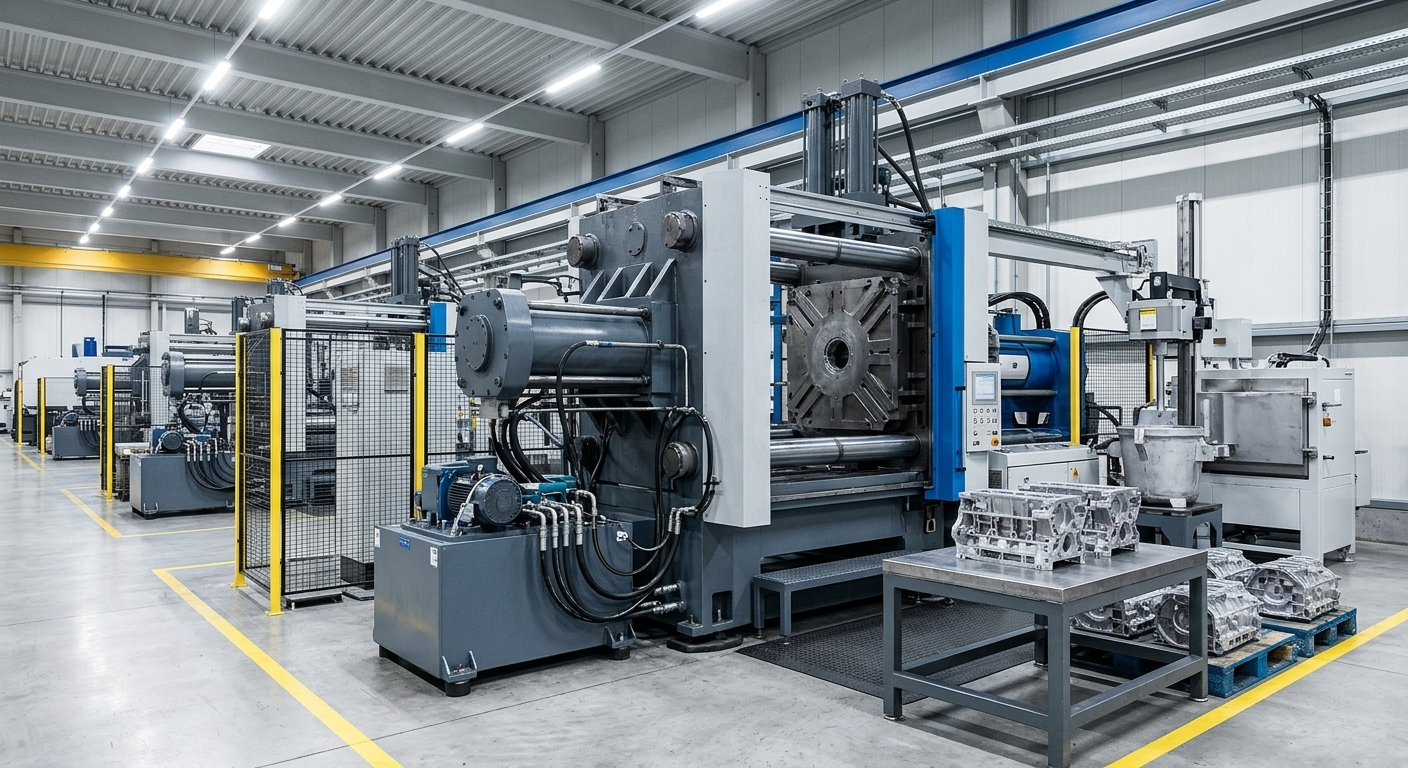
Equipped with state-of-the-art cold chamber machines and precision CNC centers, we provide a complete one-stop solution from raw casting to finished, assembly-ready components.

Machine Tonnage
Equipped with advanced cold chamber machines (200T - 2000T) to handle parts from a few grams to 20kg.
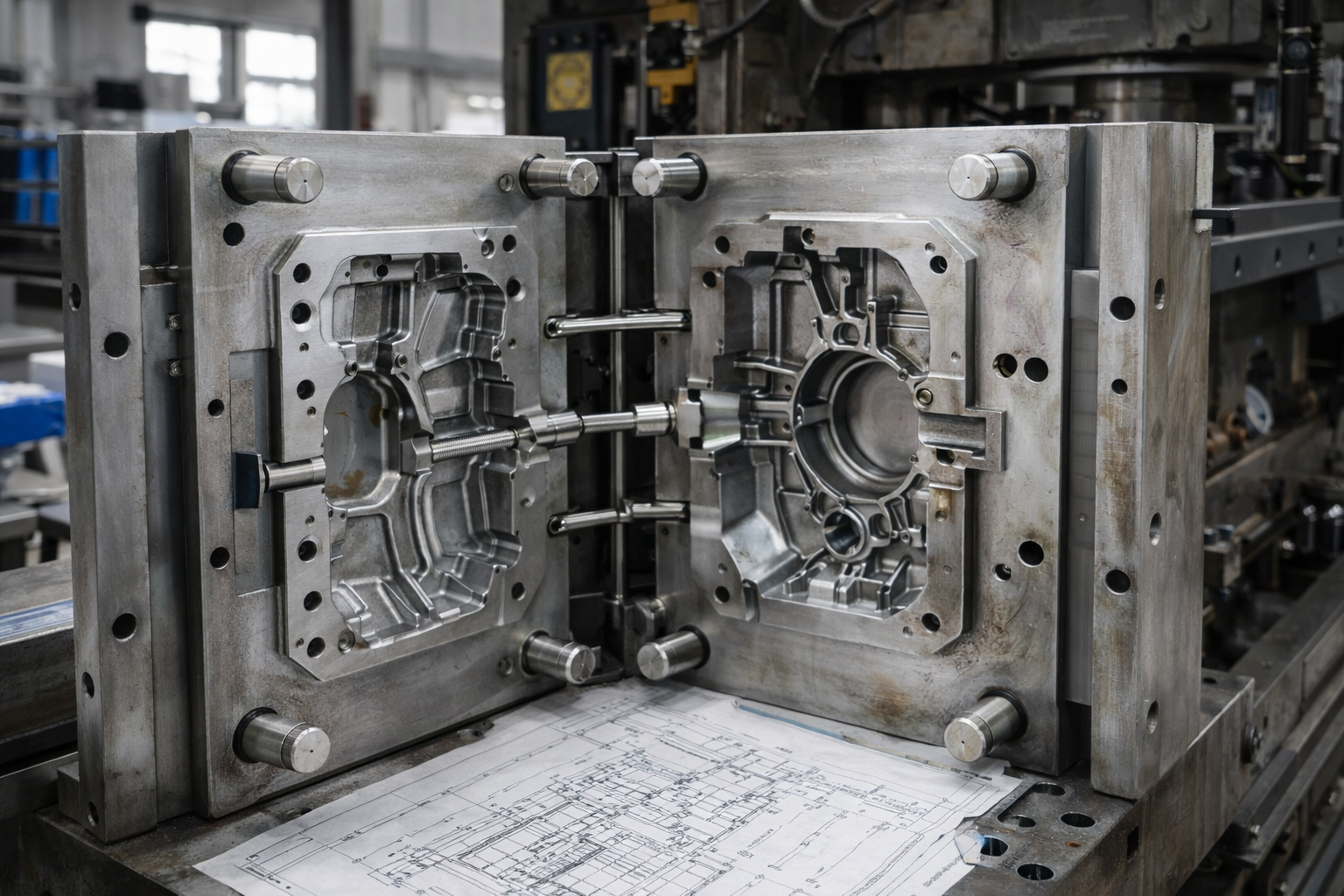
Tooling & Design
In-house mold design and manufacturing with DFM (Design for Manufacturing) optimization to reduce costs.
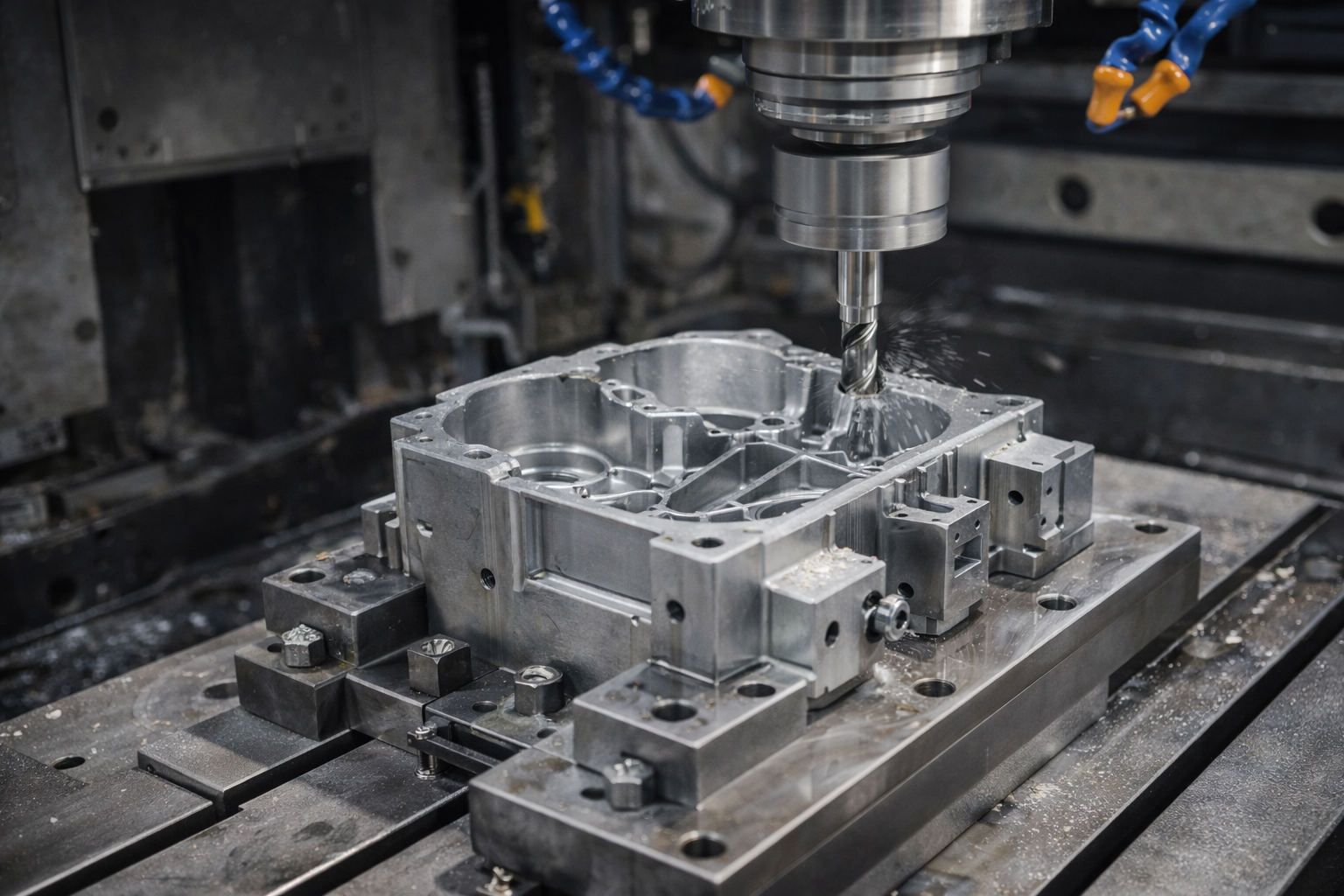
Secondary Machining
Integrated CNC machining centers for high-precision finishing and tight tolerances (±0.01mm).
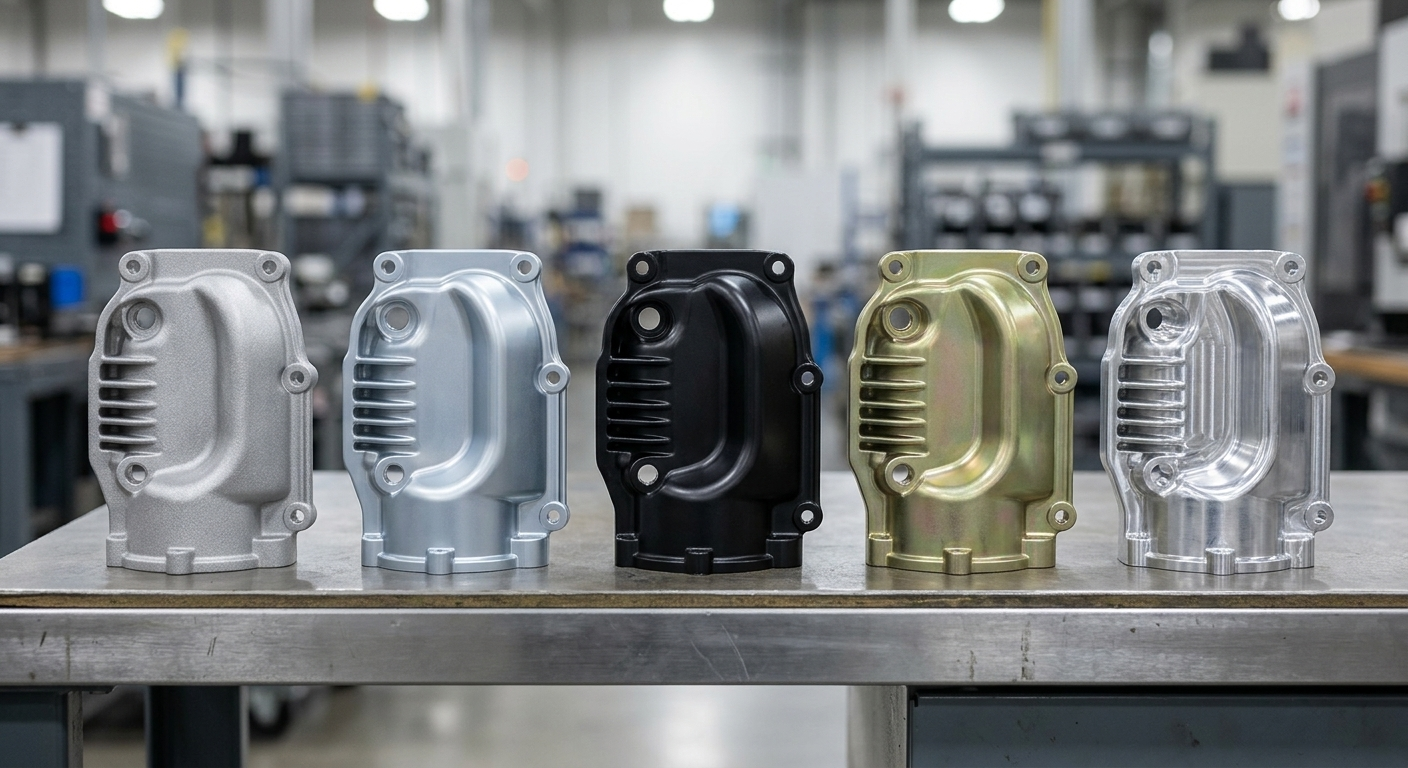
Surface Treatment
Offering a variety of finishes including Anodizing, Powder Coating, Chromating, and Bead Blasting to meet aesthetic and anti-corrosion requirements.
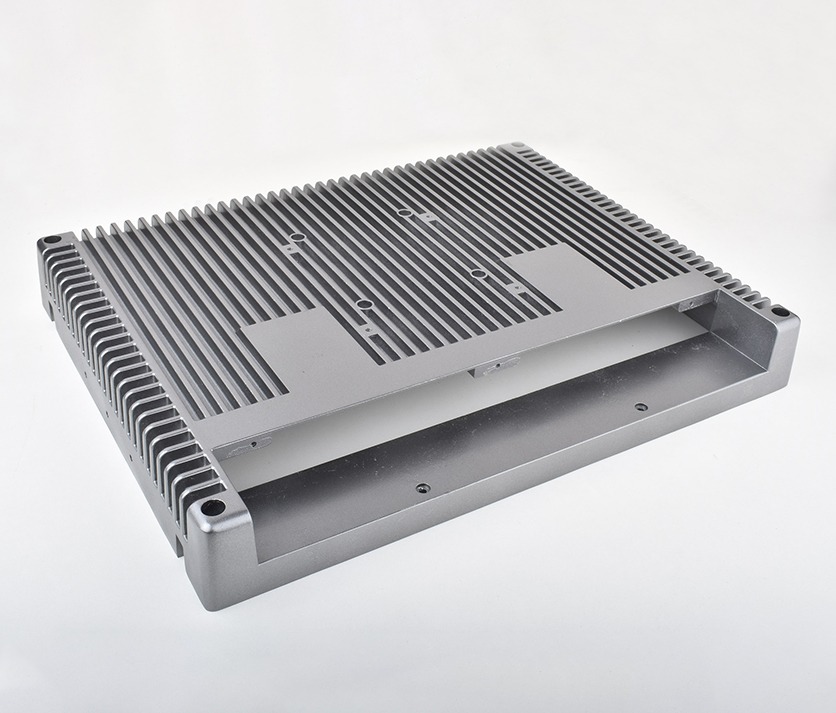
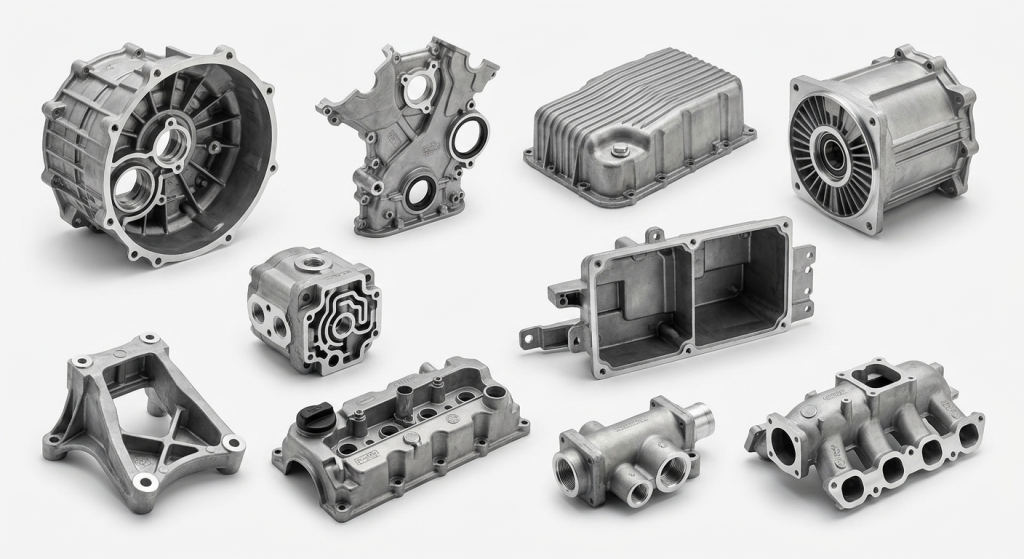
Aluminum Die Casting Parts We Manufactured

Electronics Part

Automotive Part

Home Appliances Part
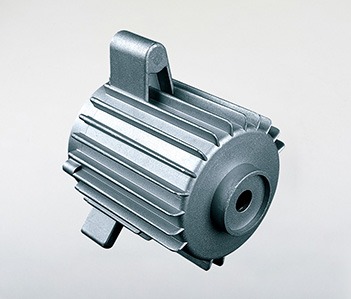
Industrial Machinery Part
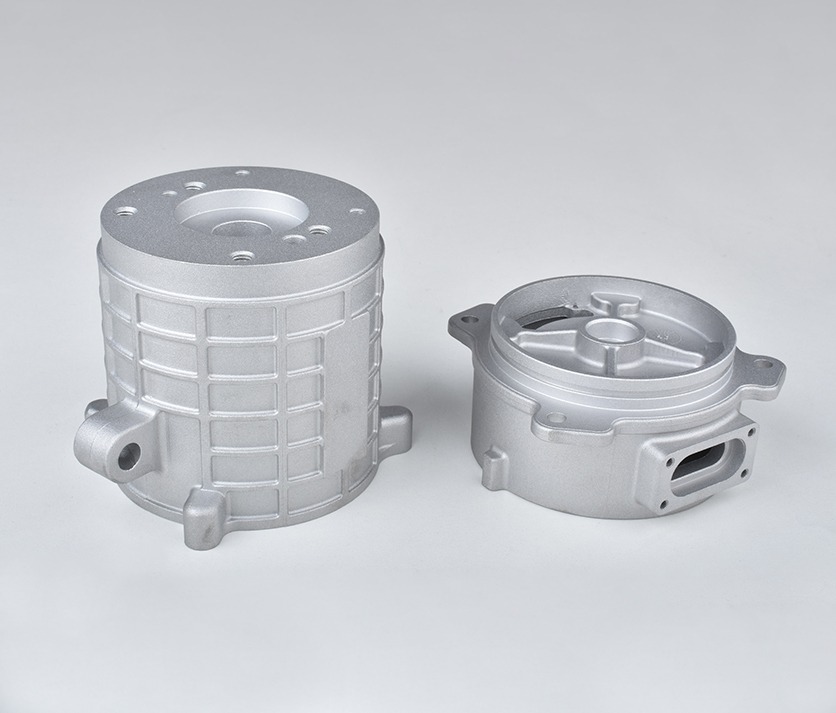
Medical Devices Part
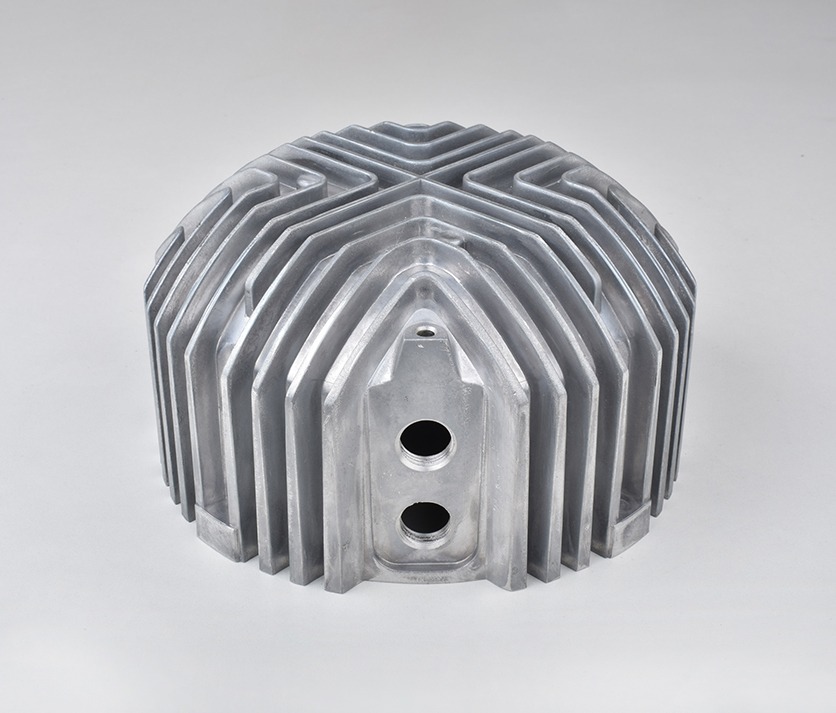
Engineering Part
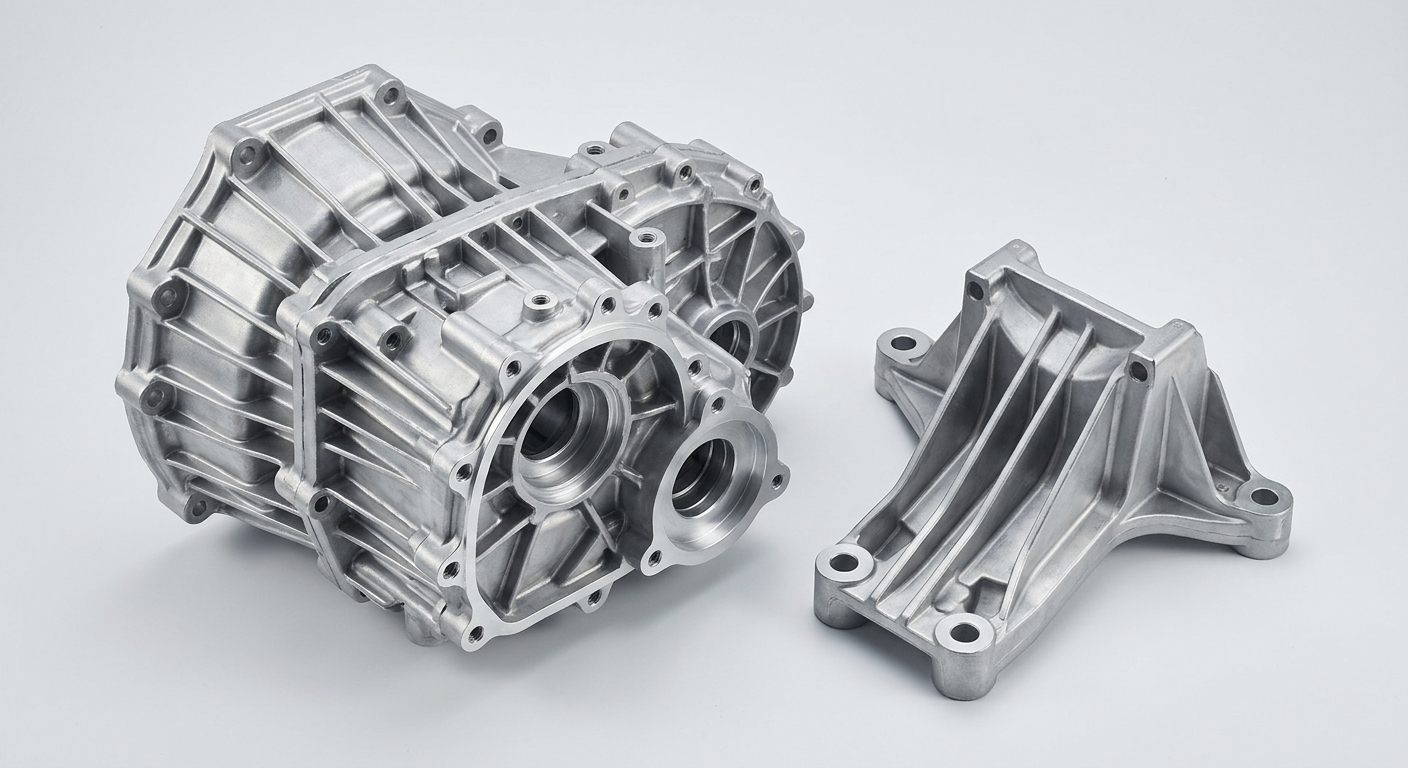
Industries We Serve
Automotive
Medical Devices
Aerospace
Industrial Equipment
Aluminum Die Casting: Frequently Asked Questions
A: We typically deliver functional samples within 20 days after tool approval. For mass production, the lead time varies from 2 to 4 weeks depending on order volume and complexity.
A: Yes. We can achieve precision tolerances as tight as ±0.01mm through our integrated CNC machining services, ensuring every component meets your exact engineering specifications.
A: It depends on your application. A380 is the most versatile for general use, ADC12 offers excellent fluidity for complex shapes, and A356 is ideal for high-strength requirements. Our engineers can help you choose the best fit during the DFM phase.
A: Yes, we offer a complete one-stop solution including powder coating, anodizing, shot blasting, and painting to enhance the durability and aesthetics of your die-cast parts.
From Design to Delivery: Our 4-Step Process
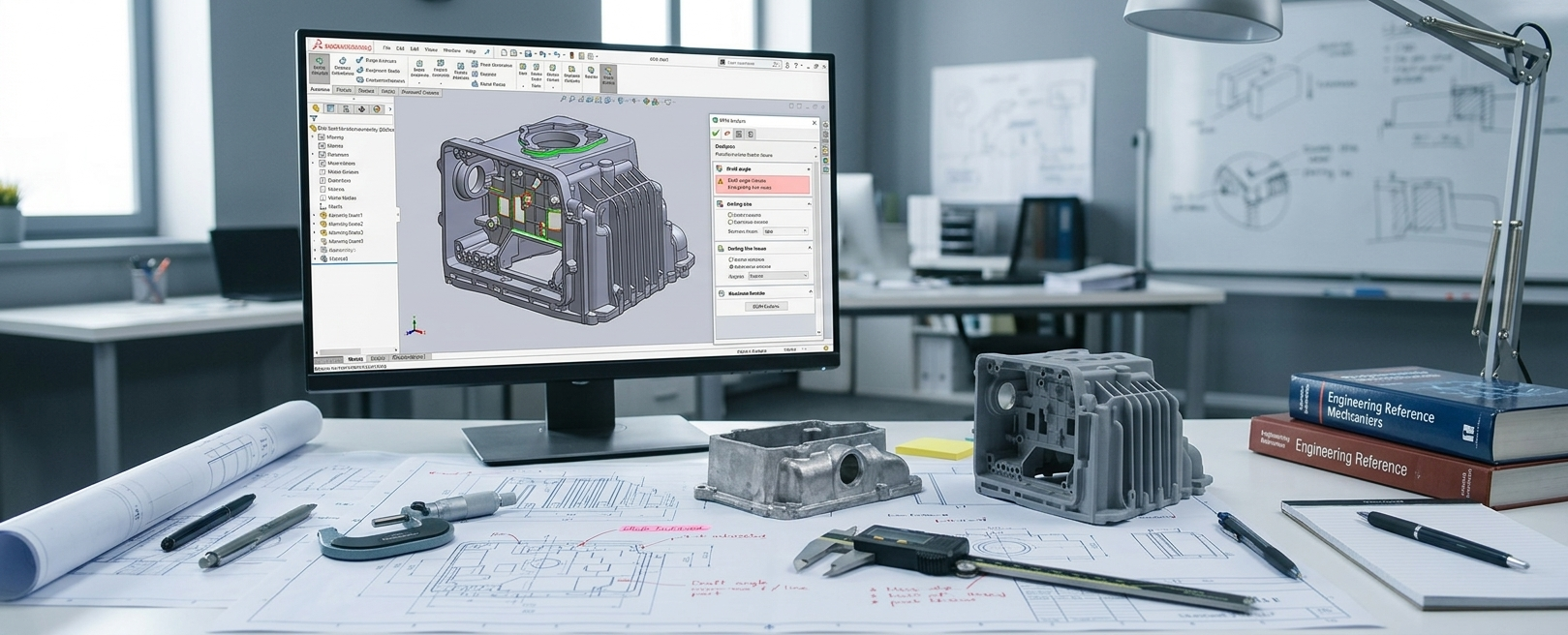
Step 1: Design Review & DFM
Upload your 3D drawings (STEP/IGS); our engineers provide Design for Manufacturing (DFM) feedback to optimize costs.
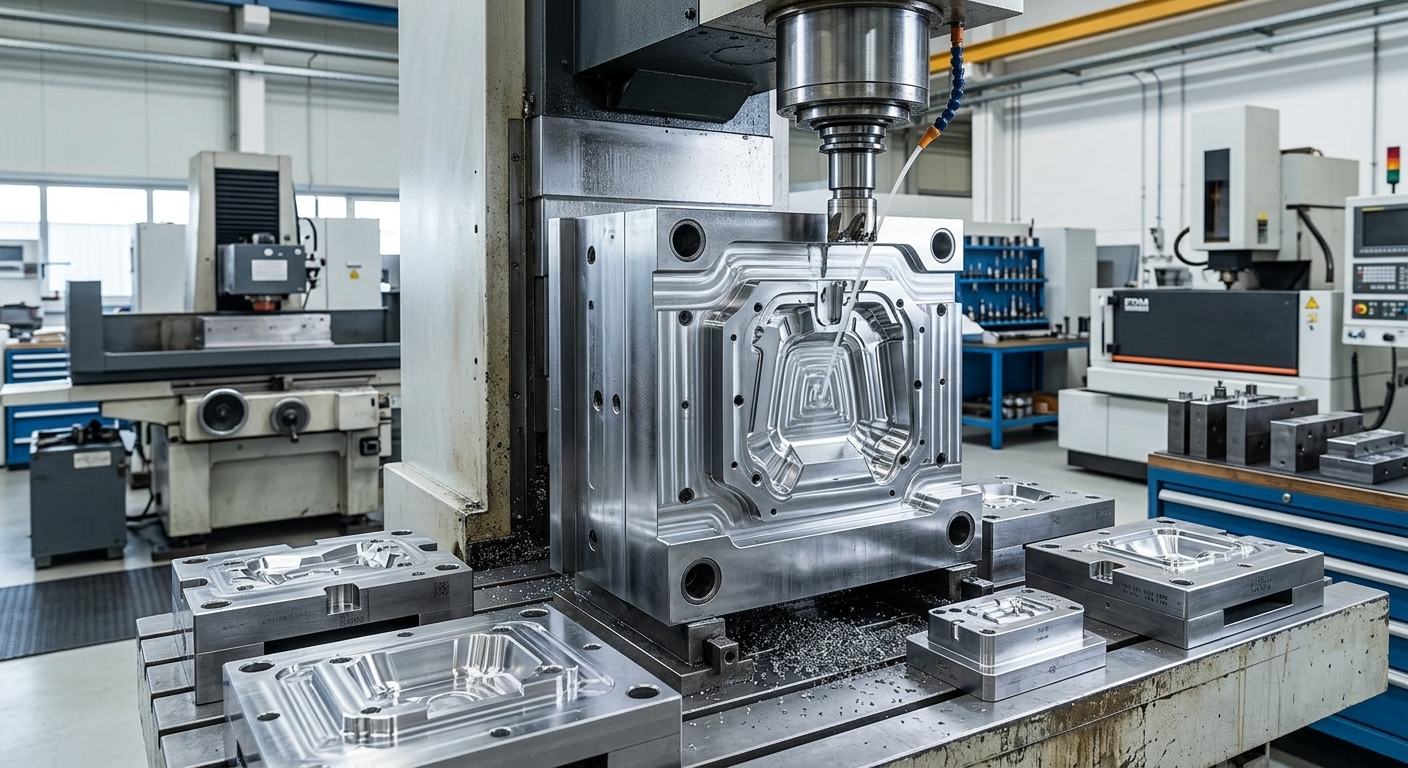
Step 2: Precision Tooling
In-house mold making ensures high-speed production and consistent quality for your aluminum parts.
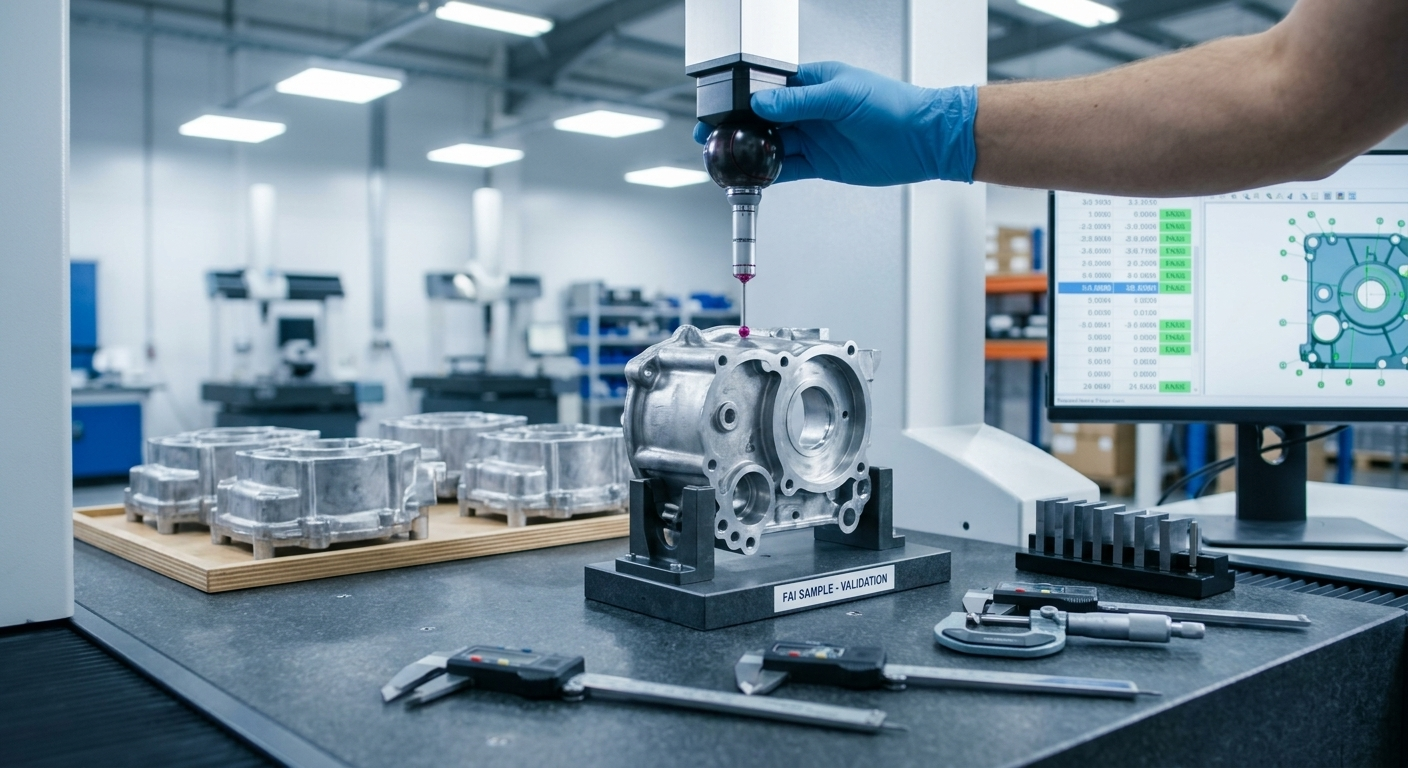
Step 3: Sample Validation
We deliver functional samples within 20 days for your testing and approval before mass production.
Step 4: Mass Production & Logistics
High-pressure die casting, CNC finishing, and global shipping with strict quality reports included.
Ready to Start Your Next Die Casting Project?
Get a technical review and a competitive quote within 24 hours.