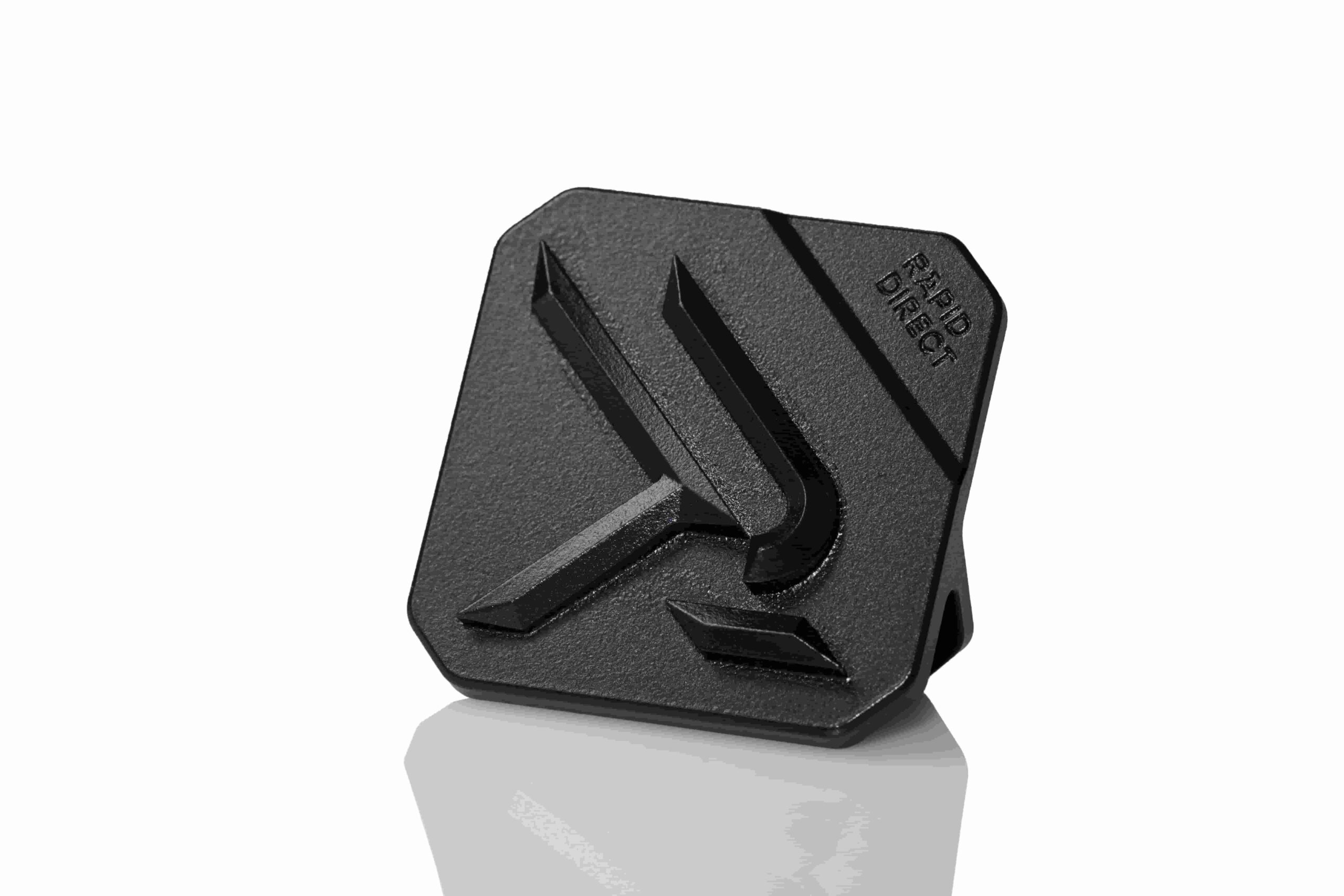
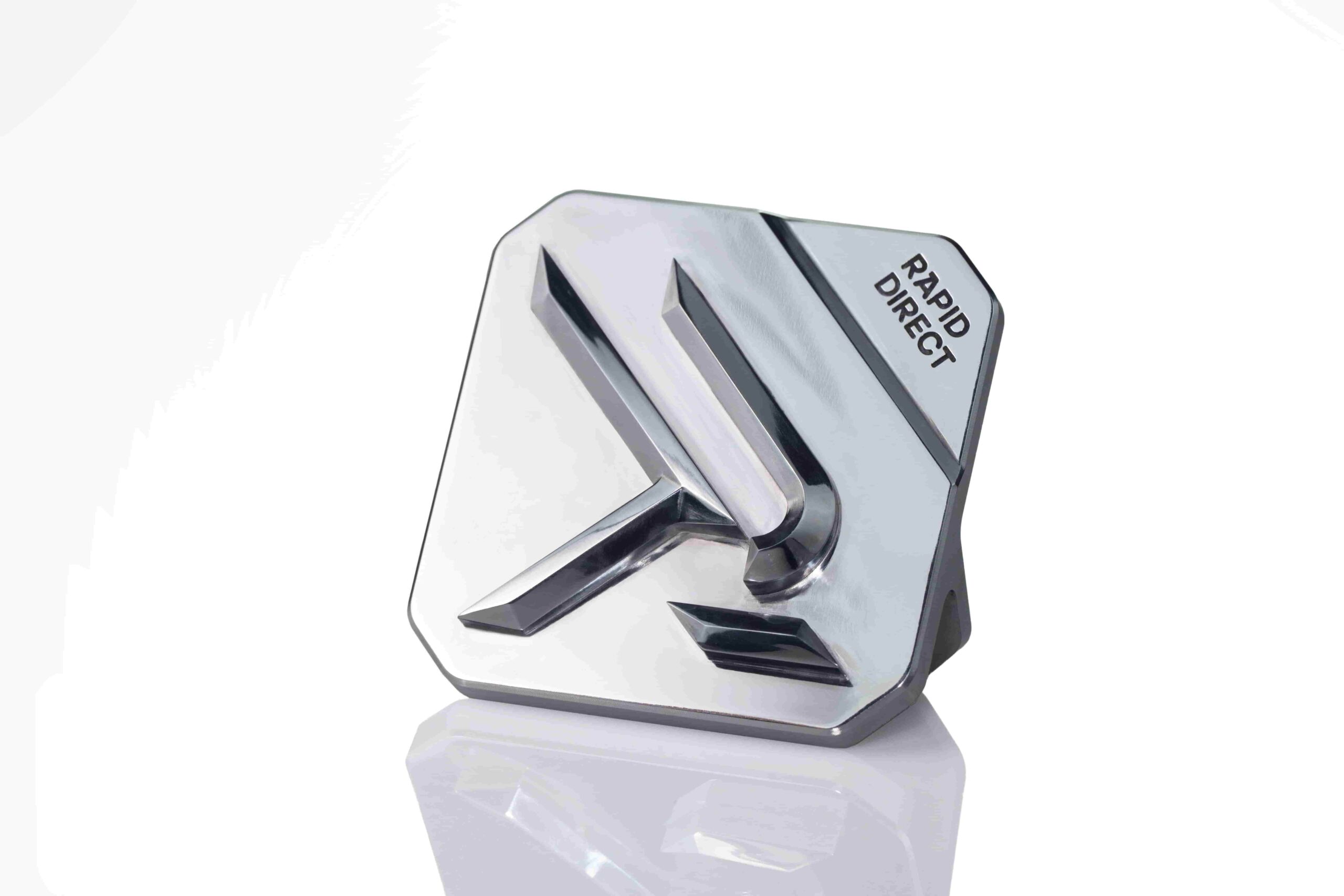
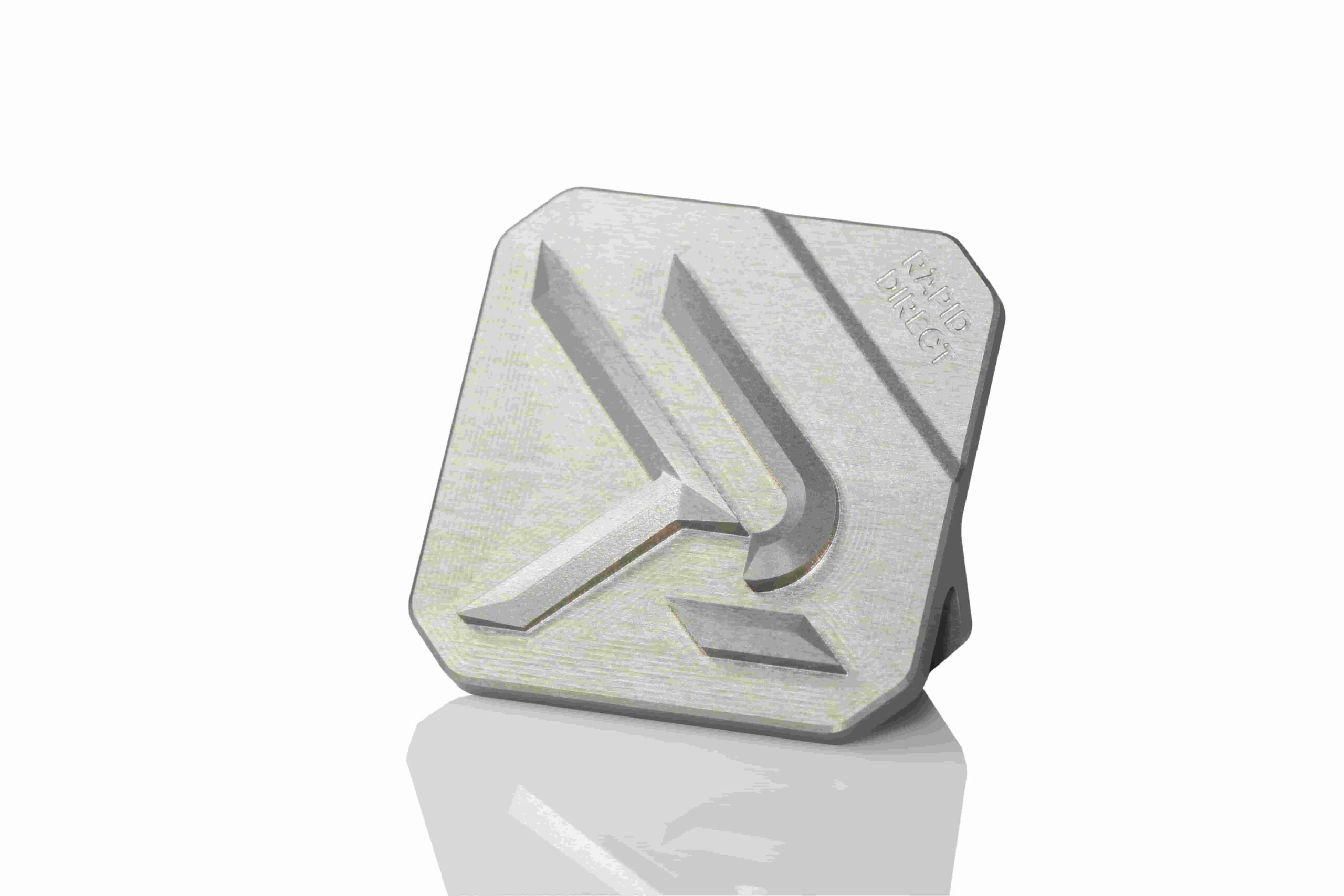
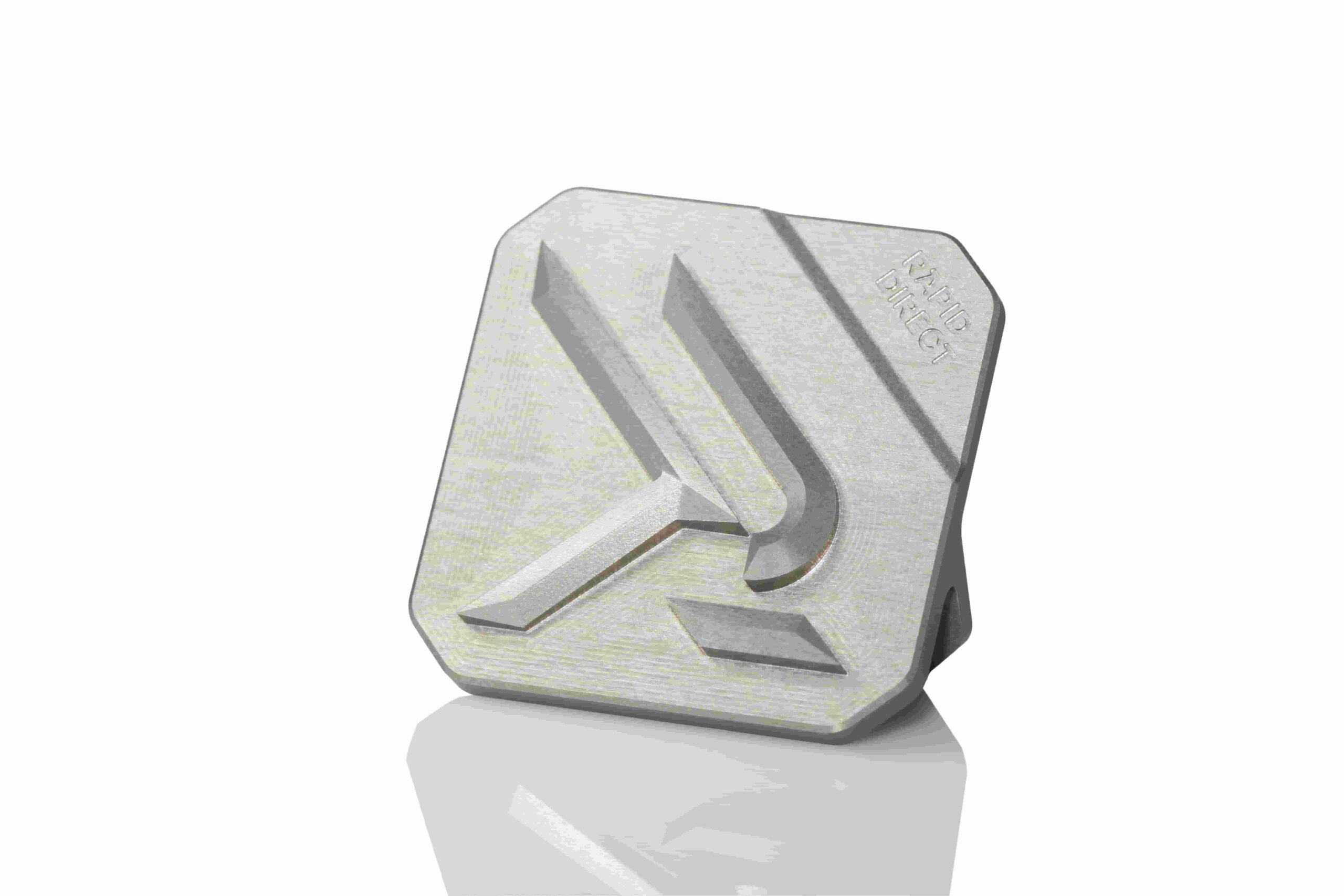

Electrolytic plate stamping
Maximize your project’s efficiency with our high-precision aluminum stamping services. We specialize in handling complex geometries and thin-gauge alloys (5052, 6061), delivering lightweight, corrosion-resistant parts that meet the most rigorous industry standards for automotive, electronics, and aerospace applications.
Our Aluminum Stamping Capabilities
Precision Manufacturing
Dimensional tolerance: ±0.02mm precision
Flatness control: within 0.05mm
Thickness range: 0.025″ to 0.250″ and beyond
Maximum press size: 10 ft length × 20 ft width
Production Excellence
Volume capacity: over 1 million pieces
Strict quality control throughout production
Competitive delivery schedules
Surface finish and coating adhesion control
Material Options
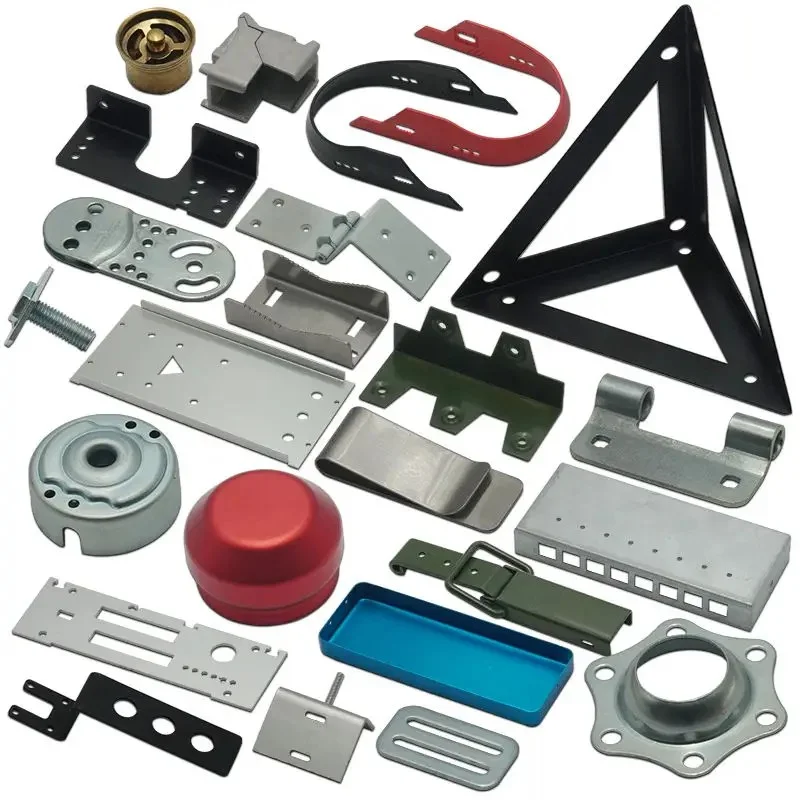
Besides aluminum stamping, we can also process other metal materials.

铜冲压

铜冲压

铜冲压

铜冲压

铜冲压

铜冲压

铜冲压

铜冲压
What is aluminum stamping?
Lorem ipsum dolor sit amet, consectetur adipiscing elit. Ut elit tellus, luctus nec ullamcorper mattis, pulvinar dapibus leo.
Aluminum Metal Stamping Process
Metal stamping encompasses several forming techniques used to convert a standard aluminum piece into specific parts that are custom-manufactured to the customer’s exact specifications. Different methods involved in the aluminum metal stamping process include:
- Blanking: Blanking is the process of using a die to cut workpieces out of an aluminum sheet metal piece. The process creates clean blanks that can be subjected to further processing using a stamping press or other machinery types.
- Piercing: Piercing implements a punch and die to create notches, slots, or holes into the part. Piercing produces tight tolerances that create cleaner cuts than drilling and is more efficient than laser cutting.
- Drawing: This process uses tensile force to shape components into desired shapes and thicknesses. This is done by slowly stretching the blanks over a die to manipulate them into a new shape. It is commonly used to create electronic components.
- Forming. Forming is a universal term referring to the techniques and processes used to shape or form blanks.
Advantages of aluminum stamping
Lorem ipsum dolor sit amet, consectetur adipiscing elit. Ut elit tellus, luctus nec ullamcorper mattis, pulvinar dapibus leo.
Disadvantages of aluminum stamping
Lorem ipsum dolor sit amet, consectetur adipiscing elit. Ut elit tellus, luctus nec ullamcorper mattis, pulvinar dapibus leo.
Common aluminum alloy types and grades

1XXX Series
This is almost pure aluminum, with over 99% aluminum, so it's called the "pure aluminum" series. It's easy to shape and work with, has excellent rust resistance, conducts electricity and heat well, and can be welded easily. Common types are 1050, 1060, and 1100.

2XXX Series
Copper is the main element here, which makes this series very strong but could be better at resisting corrosion (it can rust easily). Common types are 2024, 2011, and 2014.

3XXX Series
This one has about 1% manganese. It's strong and resists corrosion well, but it can't be heat-treated. Common types include 3003, 3004, and 3105.

4XXX Series
In the 4000 series, silicon is added to aluminum. The aluminum can look gray when there's a lot of silicon (over 11.7%). These alloys conduct electricity well and melt at lower temperatures. Common types are 4032 and 4045.

5XXX Series
Magnesium is the key ingredient, usually between 3% and 5%. These alloys are great for environments with lots of moisture, like near the ocean, because they resist corrosion well and can be welded. Common types are 5052, 5083, and 5754.

6XXX Series
This is a super versatile series, with magnesium and silicon as the main elements. It's strong, resists corrosion, is easy to weld, and can be processed quickly. Common types are 6061, 6063, and 6082.

7XXX Series
The 7000 series is all about strength, with zinc as the main element and some magnesium and copper. These alloys are super strong and tough. Common types are 7075 and 7050.

8XXX Series
The 8000 series contains a mix of other elements. It's mainly used for things like aluminum foil and some unique products. A common type is 8011.
Temper | Composition | Temper | Composition |
1000 Series | 99.00%-99.99% Aluminum | 5000 Series | 0.05%-5.5% Magnesium |
2000 Series | 2.2%-6.8% Copper | 6000 Series | 0.2%-18% Silicon |
3000 Series | 0.3%-1.5% Manganese | 0.35%-1.5% Magnesium | |
4000 Series | 3.6%-13.5% Silicon | 7000 Series | 0.8%-8.2% Zinc |
0.1%-4.7% Copper | 0.1%-3.4% Magnesium | ||
0.05%-5.5% Magnesium | 0.05%-2.6% Copper |
Besides the numbers for aluminum alloys, you should also watch out for the letters at the end. These letters tell you how the material has been processed.
Aluminum stamping surface treatment methods
Lorem ipsum dolor sit amet, consectetur adipiscing elit. Ut elit tellus, luctus nec ullamcorper mattis, pulvinar dapibus leo.
Why choose our aluminum stamping service?

This is the heading
Lorem ipsum dolor sit amet, consectetur adipiscing elit. Ut elit tellus, luctus nec ullamcorper mattis, pulvinar dapibus leo.

This is the heading
Lorem ipsum dolor sit amet, consectetur adipiscing elit. Ut elit tellus, luctus nec ullamcorper mattis, pulvinar dapibus leo.

This is the heading
Lorem ipsum dolor sit amet, consectetur adipiscing elit. Ut elit tellus, luctus nec ullamcorper mattis, pulvinar dapibus leo.
Get in touch with us
Contact our experts and we will provide you with the packaging machinery that best suits your needs.
sale@micromotorparts.com
+86 15377730575
*Our team will answer your inquiries within 24 hours.
*Your information will be kept strictly confidential.