
Custom Low Pressure Die Casting Services
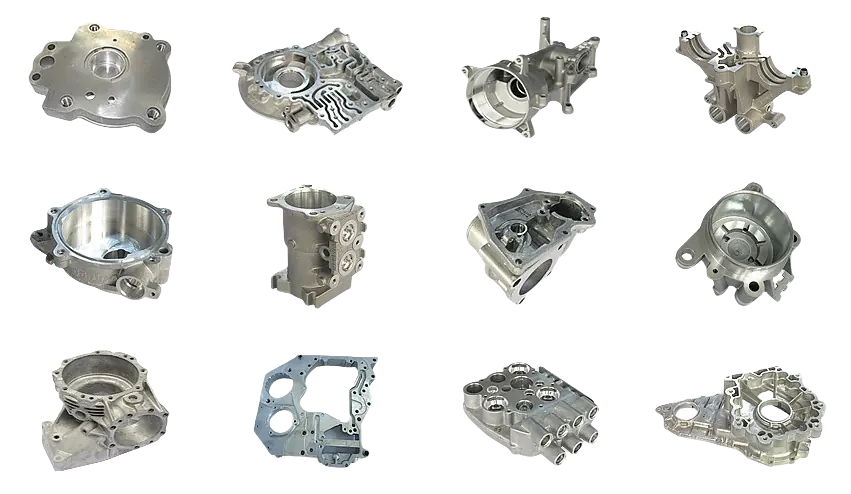
Our custom low pressure die casting (LPDC) services are engineered for industries that demand the highest structural integrity and mechanical performance. Unlike high-pressure methods, our LPDC process utilizes a controlled, “bottom-up” filling technique that minimizes turbulence, resulting in high-density, gas-free aluminum and magnesium components.
±0.01mm
Tolerance
20+
Years Experience
20 Day
Die Casting Samples Delivered
Certifications
ISO 9001 & IATF 16949
What is Low Pressure Die Casting?
Low Pressure Die Casting (LPDC) is a precision manufacturing process where molten metal (typically aluminum) is moved upward from a pressurized crucible into a permanent mold at low, controlled pressures (usually below 15 psi). This “bottom-up” filling method minimizes turbulence, significantly reducing air entrapment and ensuring a high-density, gas-free internal structure.
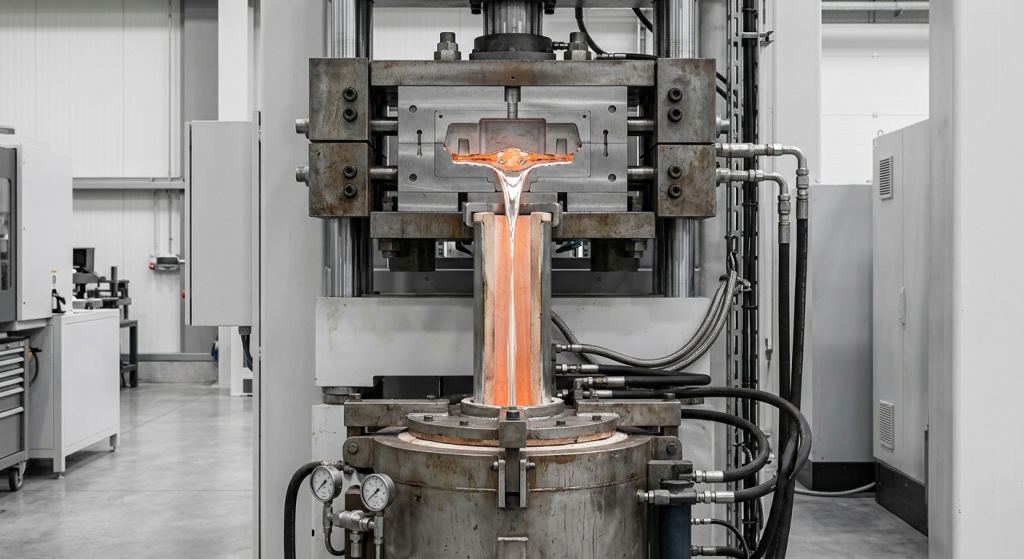
How Low Pressure Die Casting (LPDC) Works
The low pressure die casting process uses controlled air pressure to fill a mold from the bottom up, ensuring a smooth, turbulence-free flow.
The Step-by-Step Process
Pressurization: Molten metal is held in a sealed furnace beneath the mold.
Ascent: Low-pressure air (0.1–1 bar) forces the metal up through a riser tube.
Filling: The metal enters the mold cavity slowly, eliminating air entrapment and turbulence.
Solidification: Constant pressure is maintained as the metal cools, feeding the casting to prevent shrinkage.
Ejection: Pressure is released, excess metal flows back, and the high-density part is ejected

Low Pressure Die Casting (LPDC) vs. HPDC
| Technical Feature | Low Pressure Die Casting (LPDC) | High Pressure Die Casting (HPDC) |
| 1. Injection Pressure | Low & Constant: Below 15 psi | High Velocity: 1,500 – 25,000 psi |
| 2. Casting Density | Superior: Gas-free, pressure-tight | Standard: Possible micro-porosity |
| 3. Wall Thickness | Heavy Walls: Ideal for thick sections | Thin Walls: Best for min 0.8mm |
| 4. Mechanical Strength | Excellent: Heat-treatable (T6) | Moderate: Limited heat treatment |
| 5. Material Yield | High Efficiency: Fewer risers & gates | Moderate: Requires more trimming |
| 6. Part Size | Large Scale: Best for bulky components | Small-Medium: Best for intricate parts |
| 7. Best Materials | Aluminum & Magnesium Alloys | Aluminum, Zinc & Copper Alloys |
Advantages of HPDC for Your Project
Superior Internal Density
The "bottom-up" filling method ensures a laminar flow, resulting in gas-free and pressure-tight parts with virtually zero porosity.
Excellent Mechanical Propertie
High-density structures allow for T6 heat treatment, significantly enhancing the tensile strength and durability of the finished parts.
High Material Yield
By using a single riser and fewer gates, LPDC reduces metal waste and trimming efforts, making it more cost-effective for large components.
Precision Control
The automated pressure system allows for precise filling speeds, ensuring high dimensional accuracy and consistency across large production runs.
Ideal for Large Components
It is the preferred process for heavy-walled parts like automotive wheels, cylinder heads, and industrial housings that HPDC cannot easily handle.
Lower Tooling Wear
The lower injection pressure and slower filling speeds extend the lifespan of your steel molds, reducing long-term maintenance costs.
LPDC Applications Across Industries
One of the greatest advantages of zinc alloys is their exceptional suitability for a wide range of surface treatments. Whether you need decorative brilliance, superior corrosion resistance, or increased surface hardness, we offer a variety of finishing services to meet your specific requirements.
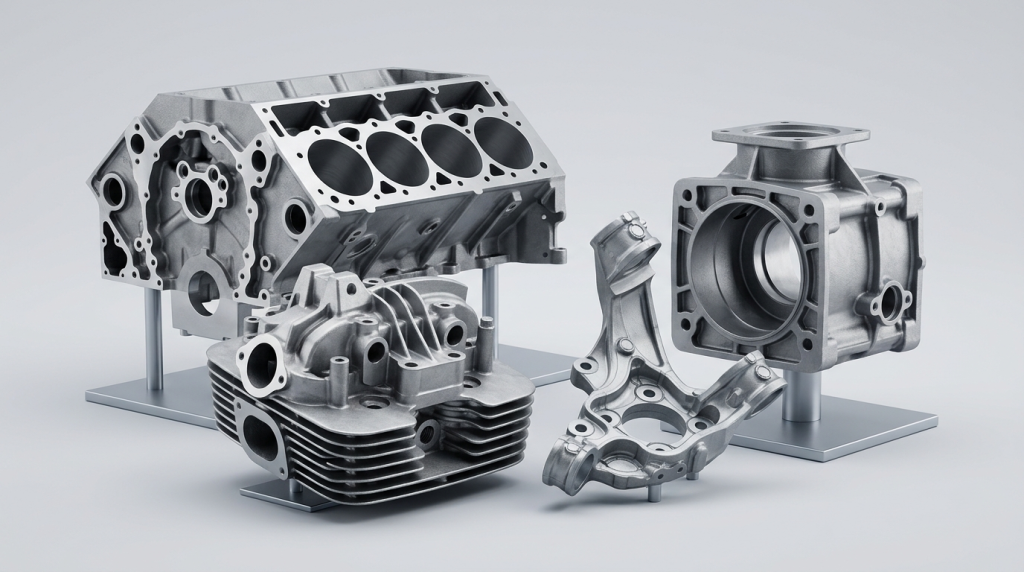
Automotive: Aluminum wheels, engine cylinder heads, steering knuckles, and engine blocks.
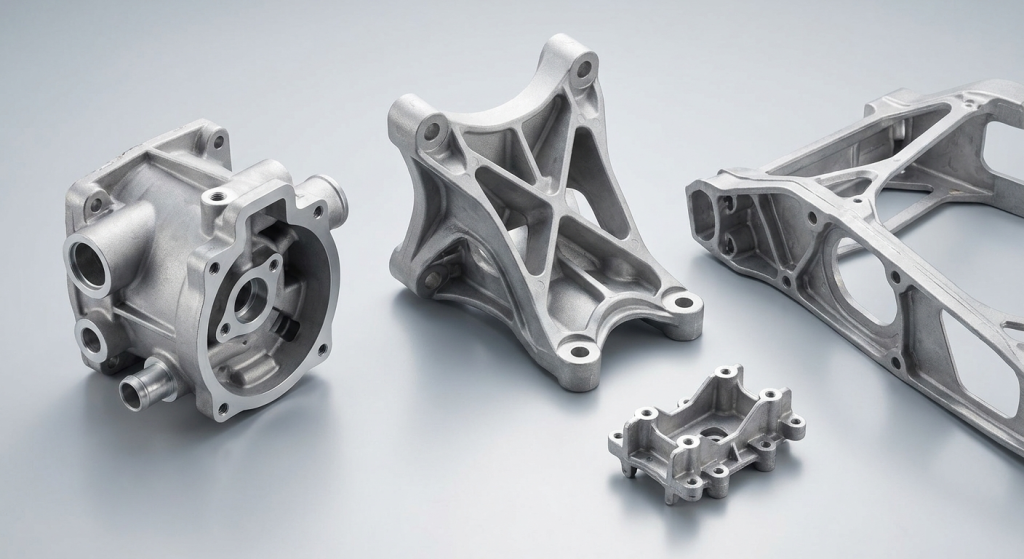
Aerospace: Lightweight structural frames, fuel system components, and cockpit brackets.
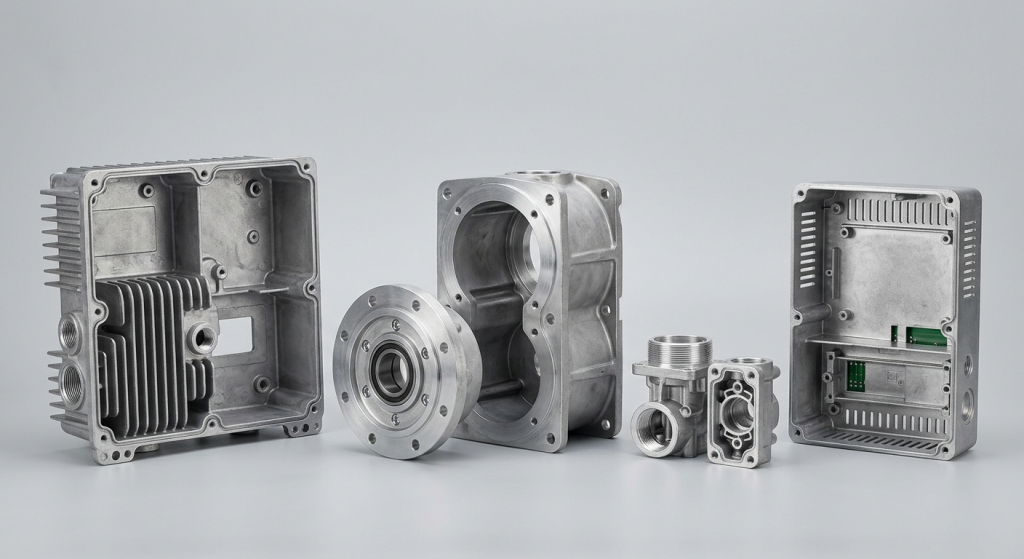
Renewable Energy: Solar inverter housings, wind turbine gearbox parts, and smart grid connectors.
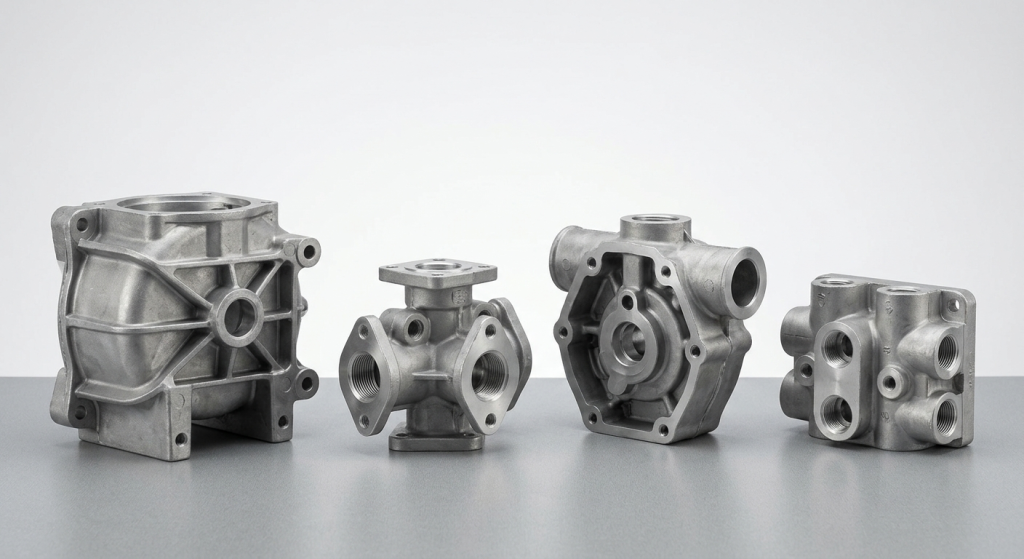
Industrial Equipment: High-pressure valve bodies, heavy-duty pump housings, and pneumatic manifolds.
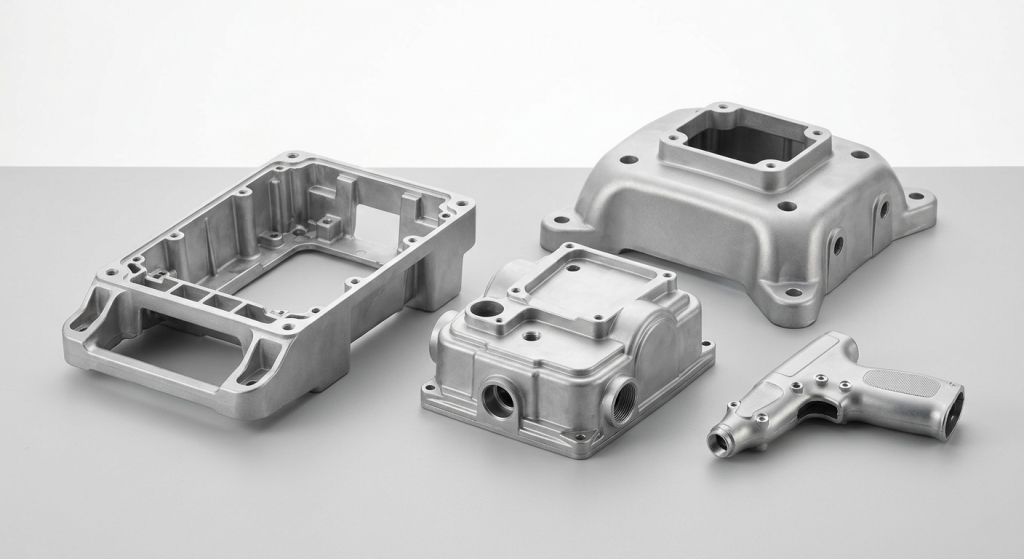
Medical Devices: Diagnostic equipment frames, high-precision surgical tool chassis, and ventilator internal structures.
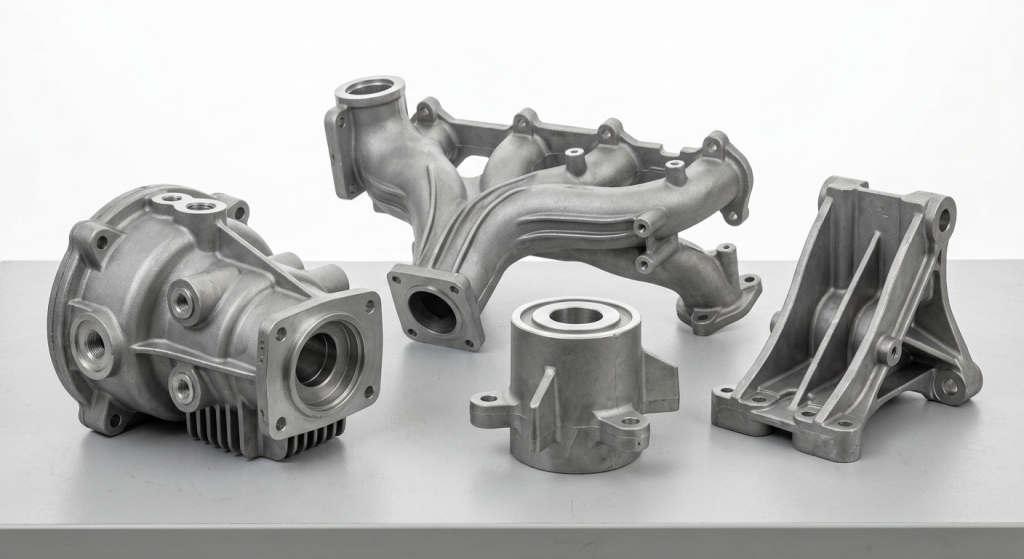
Railway & Marine: Train braking system components, marine propeller hubs, and engine manifolds.
Quality Assurance & Testing
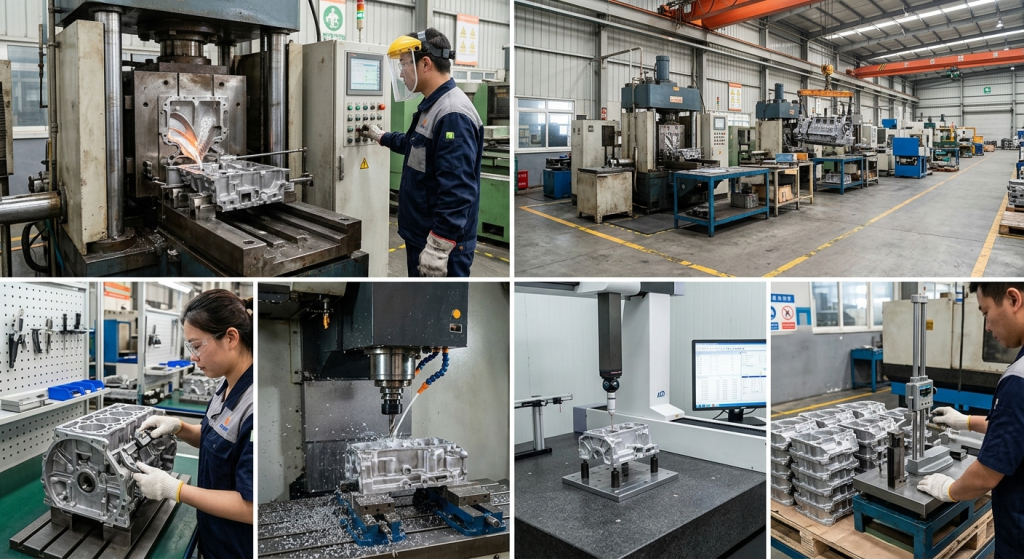
At our LPDC factory, we implement a rigorous quality management system to ensure every component meets the highest industrial standards for structural integrity and dimensional precision.
X-Ray Flaw Detection: We use advanced X-ray inspection to detect internal porosity, shrinkage, or inclusions, ensuring a 100% gas-free internal structure.
Pressure Leak Testing: For components like valve bodies and engine heads, we conduct specialized leak tests to guarantee superior pressure-tightness.
Mechanical Property Testing: We perform tensile strength, yield strength, and elongation tests, especially after T6 heat treatment, to verify material performance.
Spectrographic Analysis: Every batch of aluminum or magnesium alloy is tested via spectrometer to ensure the chemical composition aligns with your specifications.
CMM Dimensional Inspection: Our Coordinate Measuring Machines (CMM) ensure that complex geometries and tight tolerances are consistently maintained.
Surface Quality Audit: Each part undergoes a thorough visual and manual inspection for surface finish excellence before shipping.
Other Die Casting Metals Services You May Looking for
FAQ: Low Pressure Die Casting (LPDC)
LPDC is the preferred choice for parts requiring high structural integrity and mechanical strength. Because the metal fills the mold slowly and solidifies under constant pressure, it eliminates gas porosity. This makes LPDC parts suitable for T6 heat treatment, which is often not possible with HPDC.
Our factory primarily uses Aluminum alloys (such as A356 and A380) and Magnesium alloys. These materials, combined with the LPDC process, offer an excellent strength-to-weight ratio, making them ideal for automotive and aerospace structural components.
Yes. The "bottom-up" filling method used in low pressure die casting minimizes turbulence and air entrapment. This ensures a high-density, gas-free internal structure, making it the industry standard for pressure-tight components like valve bodies and cylinder heads.
For custom projects, mold design and fabrication typically take 4 to 6 weeks. Once the tooling is approved, mass production lead times vary based on complexity, but we generally deliver within 3 to 5 weeks for standard batch orders.
Absolutely. Since LPDC produces components with superior internal density, they easily pass stringent X-ray flaw detection and ultrasonic testing. This is why LPDC is widely used for mission-critical parts in the automotive and medical industries.
Yes, we offer a "one-stop" solution. After the casting process, we provide precision CNC machining (milling, drilling, tapping) and various surface treatments to ensure your parts meet exact engineering tolerances and aesthetic requirements.